
Mayfly Procloeon
Procloeon
Description
How to identify
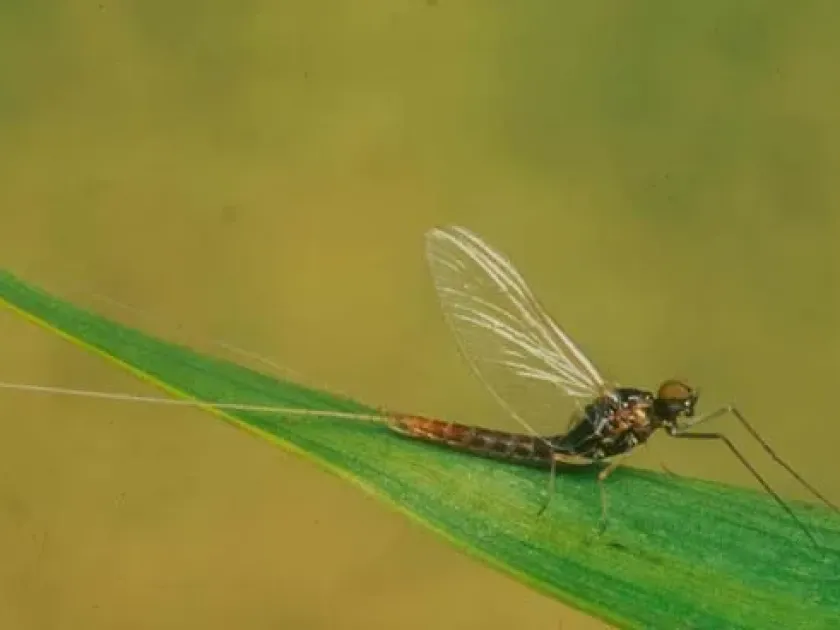
Procloeon is a genus of small, fragile insects belonging to the order Ephemeroptera (mayflies) and the family Baetidae. Adult mayflies are characterized by transparent, veined wings and long, filamentous tails.
The larval stage is strictly aquatic, developing in freshwater environments such as streams, ponds, and irrigation channels adjacent to agricultural areas.
Larvae possess a slender, streamlined body shape and external gills, which allow them to inhabit diverse water environments, including those with low flow rates.
Identifying the specific species of Procloeon involves the microscopic examination of mouthparts and gill plates, as many related genera exhibit similar morphologies.
While adults live for a very short period, often spanning only a few days or hours, their presence in large numbers can be highly noticeable during the mating season.
What it damages
While Procloeon larvae are primarily non-parasitic, they can become problematic in intensive hydroponic systems or greenhouse irrigation reservoirs.
In aquatic plant cultivation, larvae may cause mechanical damage to roots and tender stems by feeding on organic material attached to the plant surface.
Large swarms of adult mayflies settling on foliage can obstruct light and impede photosynthesis in young, sensitive crop plants.
Furthermore, these insects can act as vectors for various microbial pathogens that thrive in the wet conditions favoured by the mayflies.
The decomposition of dead insects on leaf surfaces can lead to secondary fungal infections, damaging the aesthetic and commercial quality of produce.
When it appears
The life cycle of Procloeon is heavily dependent on water temperature, with peak larval activity occurring during the spring and summer months.
Adult emergence typically peaks in late spring through early autumn, often corresponding with optimal weather conditions for the insects' mating flights.
Multiple generations can occur within a single year in warmer climates, leading to prolonged presence of the pest throughout the growing season.
During the cooler months, larvae transition into a dormant stage at the bottom of water bodies to survive winter conditions.
Monitoring for emergence should be intensified during periods of stable, warm weather to prevent significant population buildups.
Signs of infestation
The most prominent sign of infestation is the appearance of large, visible swarms of adult mayflies near irrigation sources or water-holding structures.
Clogging of irrigation filters or drip lines with exuviae (cast larval skins) indicates a high population of larvae developing within the water supply.
Plants grown in aquatic or hydroponic systems may show signs of tissue injury or grazing marks on the root zones near the waterline.
Dirty or dark spots on leaves, resulting from insect excrement and subsequent mould growth, are common indicators in heavily infested greenhouses.
A sudden decline in crop vitality or an increase in fungal infections in hydroponic units should prompt a thorough inspection for aquatic insect larvae.
Control measures
Mechanical filtration of all irrigation water is the first line of defense to prevent larvae from entering crop systems.
Encouraging or introducing natural predators, such as insectivorous fish, into stagnant reservoir water can effectively regulate the population.
Installing fine-mesh screens on greenhouse vents and intakes helps to significantly reduce the entry of adult mayflies into protected growing areas.
Keeping water reservoirs clean of algae and decaying organic matter removes the primary food source required by Procloeon larvae.
- Regular cleaning of irrigation systems and filters.
- Use of light traps to monitor and reduce adult insect density.
- Maintaining proper water circulation to discourage larval establishment.
Taxonomy
- Latin name
- Procloeon
- Family
- Baetidae
- EPPO code
- PCLOSP
Discussion
No discussions yet — be the first.