
Comma butterfly
Polygonia
Description
How to identify
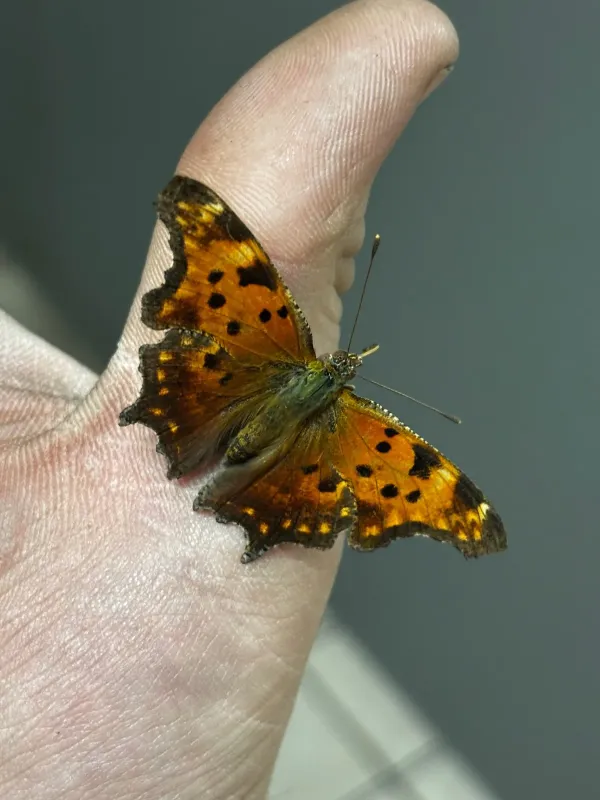
The Comma butterfly (Polygonia) is a genus of butterflies in the family Nymphalidae. These insects are easily recognized by the jagged, irregular edges of their wings, which mimic the appearance of a withered, fallen leaf when closed.
The larvae (caterpillars) are typically spiny, often featuring dark colors with lighter markings that provide camouflage against their host plants. The pupae are also uniquely shaped, looking remarkably like a dry twig or piece of debris to escape detection.
The life cycle involves complete metamorphosis, including egg, larva, pupa, and adult stages. Depending on the species and climate, the Comma butterfly produces one or two generations per year, with adults frequently overwintering in sheltered locations.
Adults are highly active on sunny days, feeding on tree sap, rotting fruit, or flower nectar. While not generally considered a devastating agricultural pest, their populations can occasionally reach levels that require management.
Correct identification is important to distinguish this genus from other nymphalids like the Tortoiseshell or Painted Lady, as their lifecycle and specific host plants can differ slightly.
What it damages
Caterpillars of the Comma butterfly are known to feed on a variety of woody plants and shrubs. Host plants commonly include various species of elm, willow, currants, and occasionally fruit trees like apples and pears.
The larvae are opportunistic feeders and are often found on weeds like stinging nettles. When these weeds grow near cultivated crops, caterpillars may move onto fruit trees or garden ornamentals during periods of high population density.
The primary damage occurs during the larval feeding stage. Caterpillars chew large, irregular holes in the leaf blades, often starting from the margins and working inwards, which reduces the surface area available for photosynthesis.
Heavy infestations can lead to significant defoliation of branches or whole saplings. This causes stress to the plant, reducing its vigor, fruit production, and overall health, especially if the infestation persists over several weeks.
While mature trees can usually withstand a moderate amount of foliage loss, young nursery stock or newly planted fruit trees can suffer stunted growth and diminished winter hardiness due to the damage caused by these larvae.
Signs of infestation
The most obvious signs of infestation are ragged leaf margins and missing tissue in the centers of leaves. In cases of significant feeding, the leaves may become skeletonized, with only the major veins remaining intact.
The presence of frass (caterpillar droppings) on the leaves or on the ground beneath the canopy is a definitive indicator of feeding activity. Observing this debris is often the first step in locating the larvae.
Look for larvae resting on the undersides of leaves or along the midrib. Because they often have a protective coloration that blends with the foliage, they may require close inspection to be identified properly.
The presence of pupae attached to twigs or branches is another sign of an established population. These pupae are often overlooked because their irregular shape and brown color mimic natural garden debris perfectly.
Monitoring should be focused on the foliage during the late spring and summer months. Pay extra attention to plants that exhibit signs of wilting or color change, as these are often the primary targets for the feeding larvae.
Control measures
Manual removal of caterpillars is a practical and effective solution for small gardens. Simply picking the larvae off the foliage is sufficient to prevent major damage if caught during the early stages of the lifecycle.
Biological control using Bacillus thuringiensis (Bt) is highly effective and safe for the environment. This bacterium specifically targets the digestive systems of caterpillars and is a preferred choice for managing larger infestations.
Chemical control should be reserved for severe outbreaks where there is a risk of significant economic loss. Use targeted, low-toxicity insecticides in the evening to minimize the impact on non-target species like pollinators.
Keeping the area clear of host weeds like nettles helps in preventing the build-up of Comma butterfly populations near more valuable crops. Proper orchard sanitation can also eliminate overwintering sites for the adults.
Supporting local predator populations such as birds, spiders, and parasitic wasps helps keep the butterfly population in check naturally, reducing the need for direct intervention or the use of chemical pesticides.
Taxonomy
- Latin name
- Polygonia
- Order
- Lepidoptera (butterflies)
- Family
- Nymphalidae
- EPPO code
- POLASP
Discussion
No discussions yet — be the first.