
Small Tortoiseshell
Aglais urticae
Description
How to identify
The Small Tortoiseshell (Aglais urticae) is a well-known butterfly in the Nymphalidae family, recognized for its vibrant orange-brown wings with black markings.
Adult butterflies feature a distinct pale yellow patch on the forewing edge and a dark blue row of crescents along the outer margins of the wings.
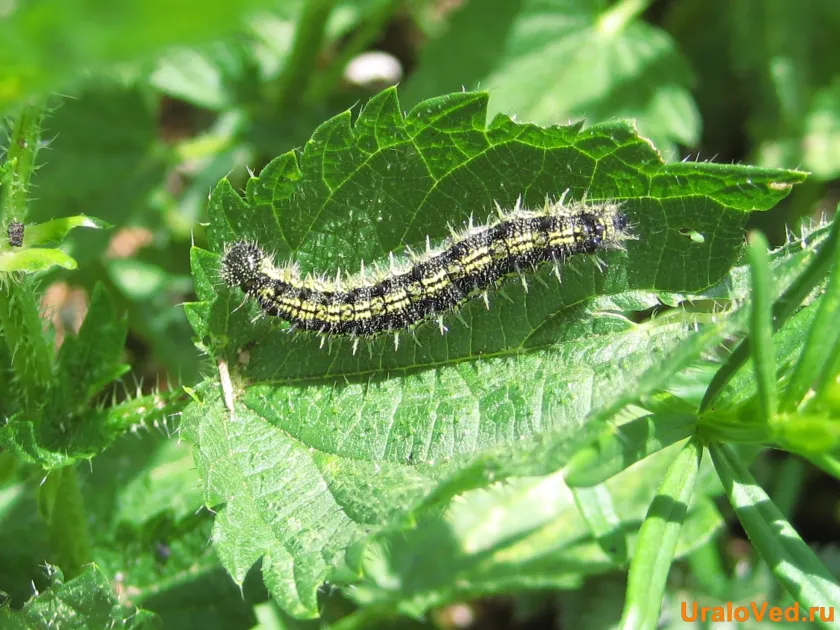
The larvae are typically black with yellow longitudinal stripes and are covered in branched spines, which provide defense against potential predators.
The pupae are angular and can appear metallic or gold, blending perfectly with dried leaves or bark to avoid detection by birds and wasps.
The life cycle involves four distinct stages: egg, larva, pupa, and adult, with adults often overwintering in sheltered structures like sheds or tree hollows.
What it damages
The primary host plant for the larvae is common nettle (Urtica dioica), where the insects feed in large groups during their development.
While primarily a consumer of wild weeds, in agricultural or nursery settings, larvae may occasionally target related species, causing localized defoliation.
Damage occurs when dense colonies of caterpillars consume the leaf tissue, leaving only the veins, which significantly hampers the plant's health.
While rarely a major economic threat, heavy infestations can weaken the plants, making them more susceptible to subsequent stressors or diseases.
For gardeners, the presence of the larvae on ornamental plants of the Urticaceae family can lead to cosmetic damage and loss of plant vigor.
When it appears
Adult Small Tortoiseshells are among the first butterflies to appear in the spring, often seen on warm days in March or April after hibernation.
There are typically two generations per year, with the adult flight periods occurring in early spring and again in late summer.
The caterpillar stage is most active during the summer months, specifically from June through August, when temperatures are ideal for growth.
The final generation of adults emerges in late summer, feeds on nectar sources to store energy, and then searches for a suitable place to hibernate.
Weather patterns heavily influence population size; hot, dry summers can accelerate the cycle, while cool springs may delay initial emergence.
Signs of infestation
The most evident sign of a Small Tortoiseshell infestation is the rapid appearance of skeletonized leaves on nettle patches or related host plants.
Gardeners can easily spot the larvae because they congregate in large groups, making them highly visible against the green foliage.
The presence of fine silken webbing around the tips of the stems, created by the caterpillars as a communal shelter, is a strong indicator of their activity.
Dark frass, or droppings, on the leaves and soil beneath the colony indicates that the larvae are currently feeding and actively growing.
Sudden defoliation of the upper canopy of the plant indicates that the caterpillars have reached a late developmental stage, just prior to pupation.
Control measures
The most effective management strategy is the mechanical removal of affected stems if the colony is found on plants that need protection.
Regular mowing of nettle patches around the perimeter of the garden can significantly reduce the potential breeding grounds for this butterfly species.
Biological control using microbial insecticides, such as products containing Bacillus thuringiensis, is highly effective and safe for the environment.
In most garden scenarios, no chemical control is necessary, as the butterfly is considered a beneficial pollinator and a beautiful member of the ecosystem.
- Mowing host weeds
- Manual removal of larvae
- Biological pesticide application
- Monitoring of egg clusters
Taxonomy
- Latin name
- Aglais urticae
- Order
- Lepidoptera (butterflies)
- Family
- Nymphalidae
- EPPO code
- VANSUR
Discussion
No discussions yet — be the first.