
Purple Emperor
Apatura
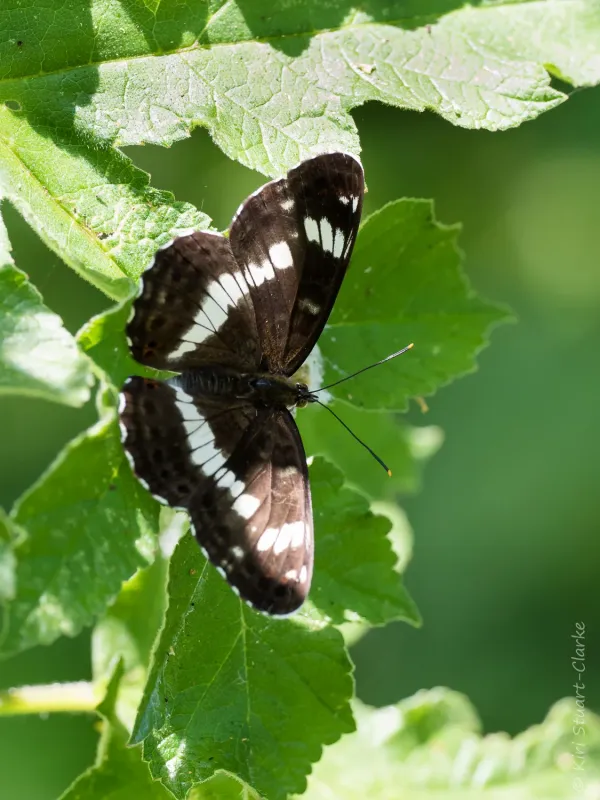
Description
How to identify
The Purple Emperor (genus Apatura) belongs to the Nymphalidae family. Adult butterflies are known for their spectacular iridescent violet-blue wings, particularly in males.
The larvae (caterpillars) are green with yellow diagonal stripes and two characteristic horns on their heads, which helps them blend into the foliage of their host plants.
Pupation occurs in a green, leaf-shaped chrysalis that provides excellent camouflage against predators within the tree canopy.
The species usually completes one generation per year, with caterpillars overwintering in silk-lined retreats created in the forks of branches.
The lifecycle involves a complete metamorphosis, ensuring the species is well-adapted to surviving the winter seasons in temperate climates.
What it damages
The primary host plants for Apatura larvae are members of the Salicaceae family, specifically various species of willow and poplar trees.
The damage is caused exclusively by the larval stage, which consumes large quantities of leaves, leading to skeletonized or entirely stripped branches.
Severe infestations can result in significant defoliation, which weakens the host tree, making it more susceptible to environmental stress and secondary diseases.
In ornamental landscaping, the activity of the caterpillars significantly reduces the aesthetic value of willow trees by damaging the foliage.
Young saplings are particularly vulnerable, as repeated defoliation can inhibit their vertical growth and overall development.
Signs of infestation
Initial signs of infestation include small holes in the leaves and ragged edges where larvae have been actively feeding.
The presence of frass (caterpillar excrement) on lower leaves or the ground beneath the tree is a clear indicator of their activity above.
Careful inspection of branch forks in early spring can reveal overwintering larvae, which are expertly camouflaged against the bark.
Premature leaf drop or yellowing of foliage in localized areas of the crown often indicates a heavy presence of feeding larvae.
A noticeable thinning of the canopy during the summer months is a definitive sign that caterpillars are present and causing structural damage.
Control measures
Manual removal of caterpillars is a highly effective control measure for smaller ornamental trees in private gardens.
Biological control using Bacillus thuringiensis sprays is recommended, as it targets the larvae while remaining safe for beneficial garden insects.
Systemic insecticides may be used during severe outbreaks to protect valuable trees, following local agricultural guidelines for dosage and safety.
Maintaining tree vigor through regular watering and fertilization helps the plants withstand feeding damage more effectively.
Encouraging local populations of insectivorous birds and parasitic wasps provides natural regulation of the Apatura population over the long term.
Taxonomy
- Latin name
- Apatura
- Order
- Lepidoptera (butterflies)
- Family
- Nymphalidae
- EPPO code
- APTUSP
Discussion
No discussions yet — be the first.