
Pleuroprucha insulsaria
Pleuroprucha insulsaria
Description
How to identify
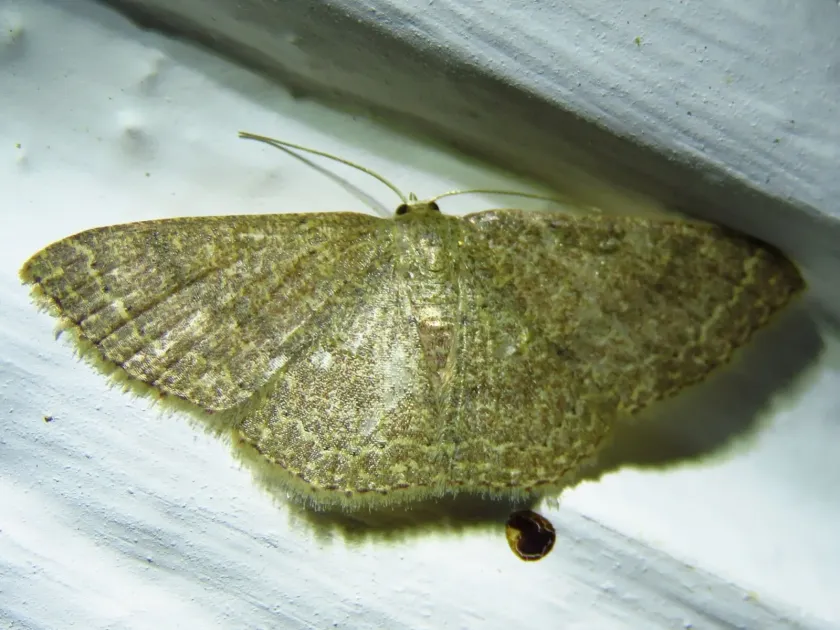
Pleuroprucha insulsaria, commonly known as the tawny wave moth, is a member of the Geometridae family, order Lepidoptera. These moths are relatively small, typically measuring 15–20 mm in wingspan.
The adults are characterized by a mottled, wavy-lined appearance, typically in shades of brown, tan, or grayish-yellow, which provides excellent camouflage against dried plant debris.
Larvae, like other geometers, exhibit the characteristic looping movement, often referred to as inchworms. They are highly skilled at blending into their environment by mimicking stems or petioles.
The life cycle encompasses a complete metamorphosis, proceeding through egg, larval, pupal, and adult stages. Multiple generations can occur per year depending on environmental warmth.
Pupation generally occurs within the upper soil layer or among leaf litter, where the organism enters a quiescent state to survive fluctuations in climate.
What it damages
This pest affects a diverse array of ornamental plants, flowers, and foliage. The caterpillars are foliage feeders that can cause significant aesthetic and physiological damage.
Larvae feed by consuming leaf tissue, often starting as skeletonizers before progressing to eating entire leaf blades, leaving only the tougher veins intact.
In high-density infestations, the caterpillars can cause severe defoliation, severely stressing the plant and reducing its ability to photosynthesize effectively.
Feeding sites on buds and tender shoots create entry points for secondary pathogens, potentially leading to bacterial or fungal infections that further degrade plant health.
Ornamental gardens may lose their market value and visual appeal rapidly if larval feeding remains unchecked during the peak growth months.
When it appears
Adult moths begin to emerge in late spring or early summer, responding to the warming temperatures that signal the start of the primary growing season.
The peak feeding activity of the larvae usually coincides with the mid-summer months, when plant growth is vigorous and provides an abundant food source.
As the season progresses, overlapping generations can lead to a sustained presence of the pest, requiring vigilant monitoring throughout the summer and early autumn.
Winter dormancy is achieved during the pupal stage, buried in the soil or protected by debris, allowing the population to persist through colder weather.
Strategic timing for monitoring via light traps is essential to identify the arrival of adult moths, allowing for interventions before the next generation of larvae hatches.
Signs of infestation
Early symptoms include small, irregular holes or notches on the leaf margins, which gradually increase in size as the caterpillars grow larger.
The presence of small, dark, granular frass (excrement) scattered on the leaves or at the base of the plant is a definitive indicator of an active infestation.
Deformed or withered new growth often suggests that larvae have been feeding on the delicate apical meristems or developing flower buds.
Closer inspection reveals the larvae themselves, which often rest in an extended, rigid position, perfectly mimicking twigs to avoid detection by predators.
Yellowing or premature browning of specific leaves, without signs of common diseases, often points to localized feeding damage by these caterpillars.
Control measures
The application of biological insecticides, specifically those containing Bacillus thuringiensis, is highly effective and safe for non-target organisms.
Sanitation practices, including the removal of spent plant material and weed control at the end of the season, are critical to reducing overwintering pupae.
Chemical control with systemic insecticides should be reserved for severe infestations and applied strictly according to label directions to ensure plant safety.
Implementing light traps can help suppress local populations by capturing adult moths and preventing them from laying eggs in the garden area.
- Regular manual inspection of foliage for eggs and young larvae.
- Promotion of natural predators such as birds and parasitic wasps.
- Strategic pruning to remove heavily infested plant branches.
Taxonomy
- Latin name
- Pleuroprucha insulsaria
- Order
- Lepidoptera (butterflies)
- Family
- Geometridae
- EPPO code
- PLPCIN
Discussion
No discussions yet — be the first.