
Pleuroprucha asthenaria
Pleuroprucha asthenaria
Description
How to identify
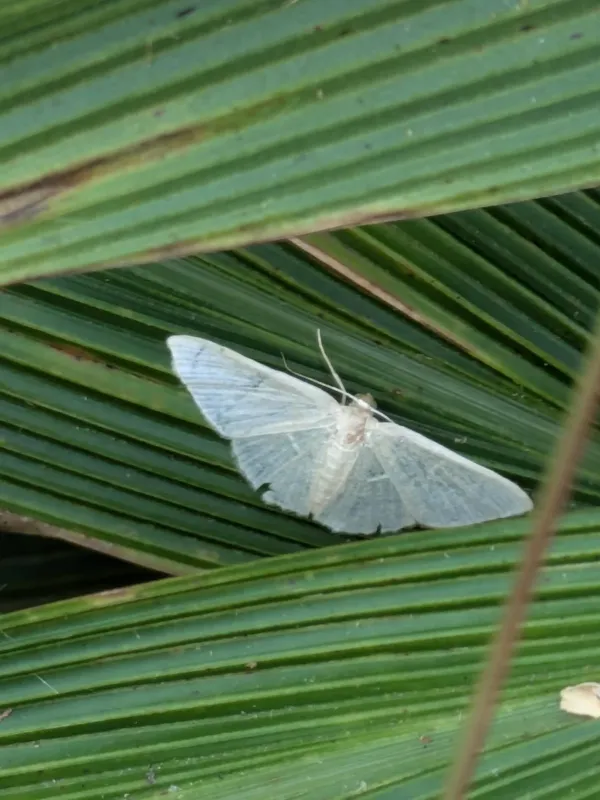
Pleuroprucha asthenaria is a species of moth belonging to the Geometridae family. The adult is a small insect with a characteristic wingspan, featuring muted brown or gray color patterns that provide excellent camouflage against tree bark and dry leaves.
The larvae (caterpillars) of this pest have an elongated body, often mimicking twigs or leaf petioles of the host plants. The coloration of the larvae ranges from green to brown, making them difficult to detect during daylight inspections.
Taxonomically, it belongs to the order Lepidoptera. The insect undergoes a complete metamorphosis cycle: egg, larva (caterpillar), pupa, and adult. Adult moths are primarily nocturnal or crepuscular, meaning they are most active at twilight.
A key identification feature is the presence of specific markings on the moths' wings. Most individuals exhibit transverse lines that allow for accurate species determination when using entomological keys.
For population monitoring in fields or nurseries, agronomists utilize light traps, which effectively attract adults during their active flight periods to assess the infestation level.
What it damages
This pest primarily damages ornamental plants, certain types of berry shrubs, and various tree species. It is the larval stage that causes the most damage, as the caterpillars feed on the leaf blade.
Caterpillars actively graze on the edges of the leaves, leading to significant defoliation when the population density is high. In severe cases, plants may lose a large portion of their leaf canopy, weakening the overall immunity of the crop.
The pest poses the greatest danger to young seedlings in nurseries and ornamental plantings, where maintaining aesthetic appeal is a critical requirement for agronomists.
Damage to the plant tissue creates entry points for secondary infections, including fungal diseases and bacterial pathogens. This complicates the recovery of the affected plants significantly.
During mass outbreaks, growth processes are severely hindered, leading to reduced biomass accumulation and slowed shoot development throughout the current vegetation season.
When it appears
The activity of the pest begins in the spring-summer period, once stable warm weather conditions are established. The developmental cycle is closely linked to the phenological growth phases of the host plants.
Adult flight usually occurs during evening hours due to the biological traits of the species. Several generations can develop throughout a single season if the regional climatic conditions favor a rapid metamorphosis.
Overwintering typically occurs in the pupal stage, buried in the soil or protected under leaf litter. As soon as temperatures rise in the spring, the first generation of adults emerges.
Temperature is a key factor: prolonged spring cold spells can significantly reduce the size of the first generation. Conversely, warm and dry summers promote intense reproduction of the pest.
The period of maximum larval damage occurs in mid-summer when their feeding intensity peaks. During this time, constant vigilance and inspection of the plantings are required.
Signs of infestation
One of the first signs of infestation is the appearance of "window-paning" or uneven grazing along the edges of the leaf blades. The caterpillars often rest along the leaf veins, making them nearly invisible at first glance.
The presence of frass (excrement) on the leaf surface beneath feeding sites is a clear indicator of active larvae. This is a vital trigger for initiating pest control measures.
Leaf curling or partial skeletonization also counts as indirect evidence of infestation. If silk-like threads or attachment sites are found on the plant, a detailed manual inspection is necessary.
The presence of adults near the crops in the evening confirms the active flight of the pest, indicating that egg-laying will likely occur on the leaves shortly thereafter.
- Presence of caterpillars on the underside of leaves.
- Grazing marks on the edges and center of the leaf blades.
- Traces of frass on the leaves.
- Loss of turgor and general stunted growth.
- Increased incidence of secondary fungal infections.
Control measures
The primary control method involves timely application of biological or chemical insecticides. Products based on Bacillus thuringiensis show high efficacy against geometrid larvae during the early stages of development.
Broad-spectrum chemical insecticides are used when the economic threshold of damage is exceeded. It is crucial to adhere to pre-harvest intervals and safety protocols when working in greenhouses or open fields.
Agronomic practices include the regular removal of plant debris where pupae may overwinter. Tilling the soil in the fall significantly reduces the survival rate of the population during the winter.
Encouraging natural entomophages, such as predatory bugs and parasitic wasps, allows for significant control of Pleuroprucha asthenaria through natural means, reducing the need for heavy chemical intervention.
Regular monitoring of plantings and the use of pheromone or light traps enable rapid response to the emergence of the first individuals, preventing outbreaks of mass infestation in the garden.
Taxonomy
- Latin name
- Pleuroprucha asthenaria
- Order
- Lepidoptera (butterflies)
- Family
- Geometridae
- EPPO code
- PLPCAS
Discussion
No discussions yet — be the first.