
Pleuroprucha
Pleuroprucha
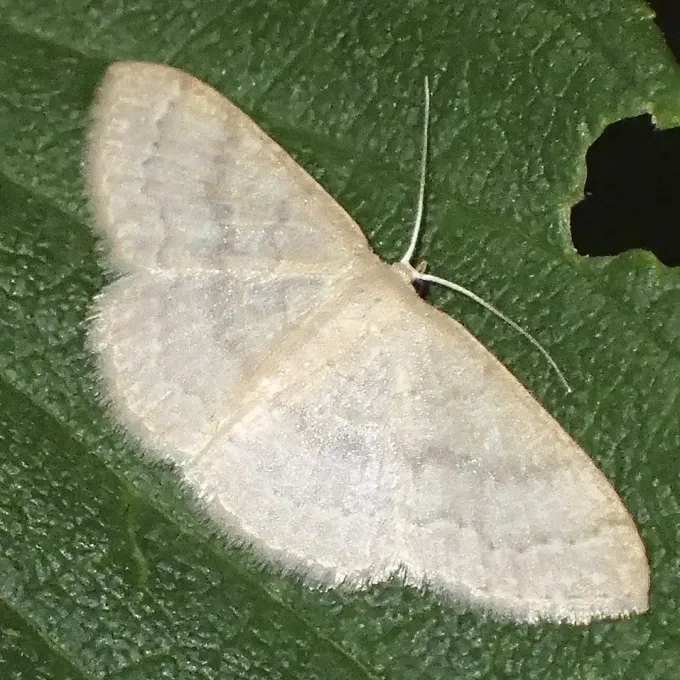
Description
How to identify
Pleuroprucha is a genus of moths belonging to the Geometridae family, order Lepidoptera. These small moths are often elusive due to their nocturnal behavior and cryptic coloring.
Adult moths typically have a wingspan of 15-20 mm, with wings featuring shades of grey, brown, or ochre, which provide excellent camouflage against tree bark and dry vegetation.
The larvae, known as inchworms or loopers, exhibit the characteristic looping gait common to the family, where they move by bringing their hind legs forward to meet their front legs.
The life cycle undergoes complete metamorphosis, including the egg, larva (caterpillar), pupa, and adult stage. They generally overwinter as pupae hidden within leaf litter or soil debris.
Species identification within this genus is highly specialized, often requiring the dissection of male and female genitalia to distinguish between closely related species.
What it damages
As polyphagous insects, Pleuroprucha larvae feed on a wide range of host plants, including various ornamental shrubs, perennial flowers, and occasionally agricultural crops.
Caterpillars primarily target leaf tissue. They consume leaf blades, often skeletonizing them by leaving only the main veins, which severely inhibits the plant's ability to photosynthesize.
Infestations can lead to stunted plant growth, particularly in young specimens where the larvae may feed on emerging terminal buds and fresh shoots, compromising the plant's structural development.
Beyond direct feeding damage, the wounds created by caterpillars provide entry points for secondary pathogens, such as fungi or bacteria, which can worsen the plant's condition.
In high-density gardening or commercial nursery settings, a significant infestation can cause widespread loss of aesthetic value and reduced plant health throughout the season.
When it appears
The active period for Pleuroprucha moths begins in late spring and persists through early autumn, depending on local climate conditions and temperature trends.
As nocturnal creatures, adult moths are most active at night and are strongly attracted to artificial lights, which can be a useful observation point for farmers and gardeners.
The larval stage coincides with the peak vegetative growth of plants, providing an abundant source of nutrients necessary for rapid development from instars to maturity.
Multiple generations per year are possible in warmer climates, leading to overlapping life cycles that require sustained vigilance and multi-stage control efforts.
As temperatures drop in autumn, larvae enter the pupal stage, seeking secure microhabitats where they can successfully withstand the winter frost.
Signs of infestation
The most immediate sign of an infestation is the appearance of irregular holes or notched edges on the foliage, which progress as the caterpillars grow larger.
Fecal matter, appearing as small, dark pellets, often accumulates on leaves below the feeding sites, serving as a clear indicator of a resident caterpillar population.
Fine silken threads may be found on the foliage, used by the larvae as safety lines or to construct simple shelters by folding leaves together for daytime protection.
Visible wilting or malformation of leaves, particularly those webbed or tied together, indicates localized feeding activity and the presence of pupating larvae.
- Irregular holes in leaf blades
- Dark fecal pellets on leaves
- Silk threads and webbing
- Leaf curling or binding
Control measures
Cultural control is essential; maintaining a clean garden by removing fallen leaf litter and debris effectively destroys overwintering pupae and reduces the next generation.
Biological control, such as the use of Bacillus thuringiensis-based products, is highly recommended as it targets caterpillars specifically while leaving beneficial insects unharmed.
Chemical intervention should be reserved for severe outbreaks, opting for selective, low-toxicity insecticides that minimize impact on non-target species in the garden ecosystem.
Monitoring using light traps is an effective strategy for detecting the early arrival of adult moths, allowing for proactive management before egg-laying occurs.
Promoting a healthy environment for natural predators like birds, parasitic wasps, and predatory beetles helps keep Pleuroprucha populations naturally suppressed.
Taxonomy
- Latin name
- Pleuroprucha
- Order
- Lepidoptera (butterflies)
- Family
- Geometridae
- EPPO code
- PLPCSP
Discussion
No discussions yet — be the first.