
Platypleura
Platypleura
Description
How to identify
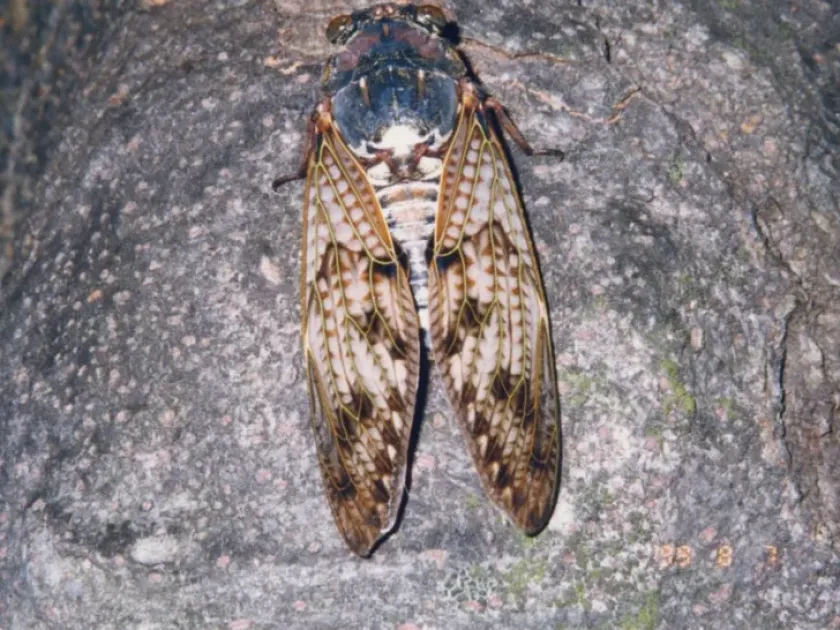
Platypleura is a genus of large insects belonging to the family Cicadidae (cicadas) and the suborder Auchenorrhyncha. Adult insects are characterized by a massive body, a broad head, and well-developed wings, which often display a distinct reticulated pattern.
A distinctive feature of this genus is their ability to produce loud sounds using a specialized organ called a tymbal, located at the base of the abdomen. Adult coloration ranges from greenish-brown to nearly black, allowing them to camouflage effectively on tree bark.
The nymphs of Platypleura lead a subterranean life, spending a significant portion of their development cycle in the soil, which can last for several years. They possess robust digging front legs adapted for living underground and feeding on the sap of plant roots.
Adult insects can be identified by their presence in tree canopies during hot summer days. Despite the secretive nature of the nymphs, the population is often revealed by the intense 'singing' of males, which can be heard from a great distance.
It is important to distinguish Platypleura from other cicada species, as their distribution is primarily concentrated in tropical and subtropical regions, which determines how they interact with local tree species.
What it damages
The primary damage to plants is caused by both adults and nymphs, although the mechanism of impact differs significantly. Adult cicadas feed on the sap of young shoots and branches, using their piercing-sucking mouthparts.
Platypleura nymphs reside in the root zone, where they damage the plant's root system. Persistent sap-feeding from the roots leads to general tree weakening, stunted growth, and reduced resistance to other diseases or environmental stressors.
Affected plants include many fruit crops, forest trees, and several types of shrubs. In regions where these insects are prevalent, they can pose a serious threat to young orchards and nurseries.
Severe root damage caused by nymphs can result in premature yellowing and leaf drop. During dry periods, trees weakened by nymph activity become particularly susceptible to environmental stress factors.
Adults also cause indirect damage by scarring the bark during oviposition (egg-laying). These micro-injuries serve as entry points for secondary infections, including fungal pathogens and bacterial rots.
When it appears
The life cycle of Platypleura is closely linked to seasonal climate changes. Adult activity typically peaks during the hottest summer months, which coincides with their mating and dispersal period in tree canopies.
After mating, females lay eggs into plant tissues, usually within the bark of young branches. The egg-laying period often occurs in mid-to-late summer, an essential factor to consider when planning agricultural pest management.
Nymphs that hatch from the eggs move quickly into the soil, where they spend a substantial amount of time. Depending on the species and regional climate, the full development cycle may last anywhere from one to several years.
The greatest damage from nymphs in the root zone occurs during periods of intense vegetative plant growth. During this time, the root system requires an optimal supply of nutrients, which are instead being actively consumed by the pest.
The appearance of adults serves as a monitoring trigger. Agronomists use the acoustic activity of the cicadas as an indicator of pest density in a specific area to evaluate the risk of damage to local plantations.
Signs of infestation
The first sign of infestation is the presence of characteristic incisions on the bark of young branches, created by females during egg-laying. These injuries can lead to the deformation and dieback of individual shoots.
A decline in the general health of a tree for no apparent reason is another indirect sign of nymph activity within the root system. The plant may exhibit stunted growth, loss of turgor, and leaf chlorosis.
The presence of specific sounds (chirping) in tree canopies indicates the activity of mature adults capable of mass reproduction within the area.
The soil surface in the root zone may show holes through which nymphs emerge upon molting into adults. The presence of these emergence holes is clear evidence of a high population density in the soil.
- Bark damage on branches from oviposition sites.
- Premature yellowing and leaf shedding.
- Delayed development and a sickly appearance of the tree.
- Exit holes in the soil around the trunk.
- Loud insect chirping in the canopy during summer.
Control measures
Managing Platypleura requires an integrated approach that combines agrotechnical, mechanical, and, if necessary, chemical methods of pest suppression.
The most important agrotechnical measure is maintaining high plant health through balanced fertilization and proper irrigation. A healthy tree has sufficient potential to compensate for the damage inflicted by nymphs.
In nurseries, it is recommended to conduct regular inspections of young saplings for bark damage. Infested branches should be pruned and destroyed to break the development cycle and prevent the spread of the pest.
In cases of high adult density, contact and systemic insecticides approved for use on specific crops may be applied. Treatments are most effective during the period of mass adult emergence.
Biological control may include fostering natural enemies of cicadas, such as insectivorous birds and parasitic wasps, which help regulate population levels within the natural habitat.
Taxonomy
- Latin name
- Platypleura
- Order
- Hemiptera (bugs, aphids, leafhoppers)
- Family
- Cicadidae
- EPPO code
- PLARSP
Discussion
No discussions yet — be the first.