
Carineta
Carineta
Description
How to identify
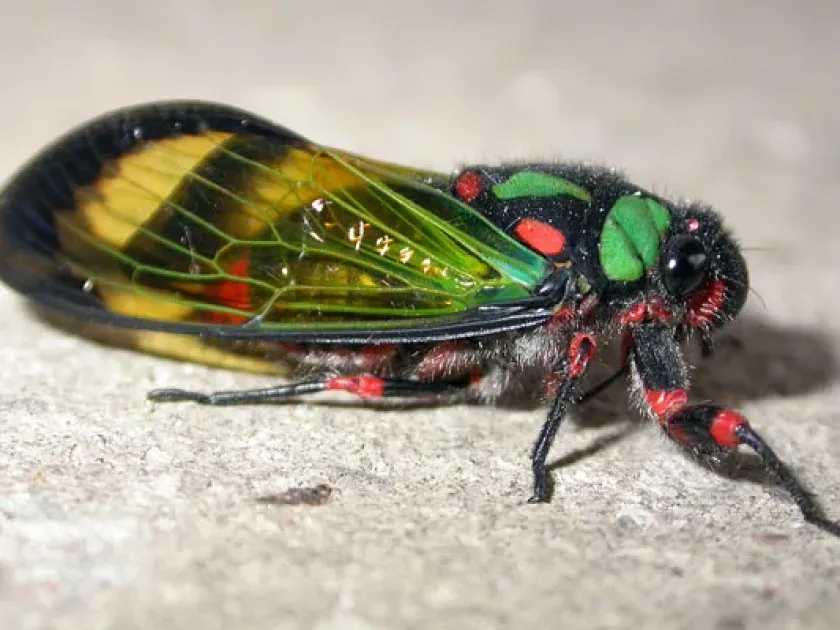
Carineta is a genus of cicadas belonging to the family Cicadidae within the order Hemiptera. These insects are characterized by their transparent, heavily veined wings and the distinctive sound-producing organs found in males.
Adult Carineta specimens typically possess a robust body structure adapted for life on woody stems. Their coloration provides excellent camouflage against bark and foliage, making them difficult to spot in dense vegetation.
The life cycle is long, with nymphs developing underground for one or more years. During this stage, they possess specialized fossorial forelegs designed for excavating soil and feeding on plant roots.
The emergence of adults marks the beginning of the reproductive phase, during which they feed on the xylem of host plants before mating and laying eggs in suitable plant tissues.
As part of the diverse Cicadidae family, Carineta species are predominantly found in the Neotropical realm, where they play a significant role in local ecosystems and, occasionally, as agricultural pests.
What it damages
The primary hosts of Carineta include various woody perennials and shrubs. Crops such as coffee, cocoa, citrus, and timber trees are frequently susceptible to their feeding activities.
Damage is twofold: nymphs inflict stress on the root system by continuous sap extraction, while adults damage the aerial parts of plants during feeding and oviposition processes.
Females use their ovipositors to cut slits into young shoots to deposit eggs. These incisions cause mechanical structural failure and necrosis of the distal parts of the branches.
Persistent infestation by nymphs can lead to reduced tree vigor, stunted growth, and increased susceptibility to secondary environmental stressors or pathogens.
In high-density populations, the cumulative impact on a plantation can lead to significant economic loss, manifested as reduced fruit yields and premature foliage drop.
Signs of infestation
Characteristic signs of Carineta presence include the appearance of longitudinal scars or series of punctures on young twigs, which are the direct results of female oviposition activity.
Wilting and subsequent browning of branch tips are clinical indicators of infestation, often resulting from the disruption of the vascular system at the oviposition site.
A loud, persistent trilling or buzzing sound emanating from the orchard is a definitive sign of adult activity during the breeding season, indicating high levels of infestation.
Soil disturbance around the base of the trees, characterized by small holes and tunnel exits, confirms the presence of nymphs that have recently emerged to reach the adult stage.
General plant decline, including yellowing leaves (chlorosis) and poor shoot development, may point to intensive root feeding by nymphs beneath the soil surface.
Control measures
Effective management requires an integrated approach starting with rigorous monitoring. Tracking population levels during the adult emergence phase is crucial for timely intervention.
Physical barriers, such as protective mesh netting around the trunks of young trees, serve as an effective deterrent against females seeking sites for egg-laying on shoots.
Cultural practices, including frequent soil cultivation within the root zone, can disrupt nymphal tunnels, increase their exposure to predators, and hinder their development cycle.
Biological control options, such as the application of entomopathogenic fungi targeting soil-dwelling nymphs, offer a sustainable alternative to broad-spectrum chemical insecticides.
Chemical control should be reserved for high-threshold infestations and targeted at adult insects, ensuring that treatments are applied responsibly to avoid harming beneficial pollinating species.
Taxonomy
- Latin name
- Carineta
- Order
- Hemiptera (bugs, aphids, leafhoppers)
- Family
- Cicadidae
- EPPO code
- CARISP
Discussion
No discussions yet — be the first.