
Carineta fasciculata
Carineta fasciculata
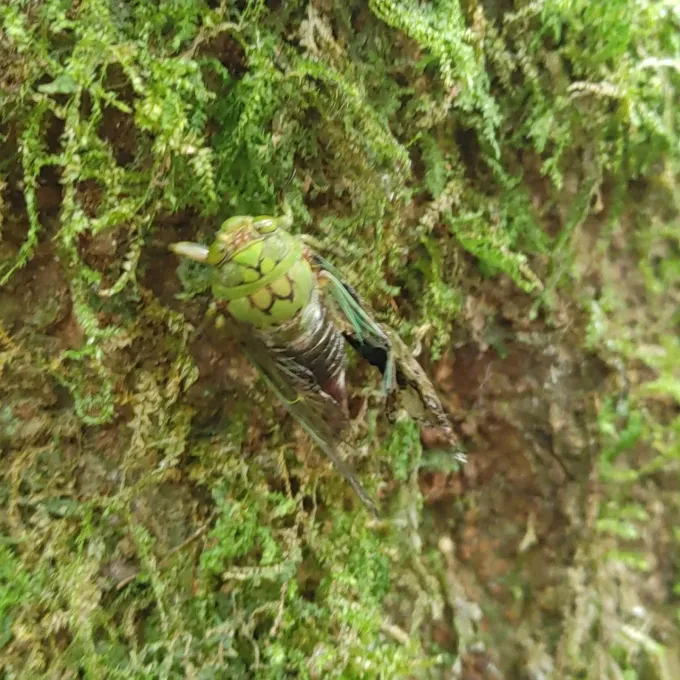
Description
How to identify
Carineta fasciculata is a species of cicada belonging to the Cicadidae family. These insects are easily recognized by their moderate size, prominent wings, and the characteristic complex network of veins on their wings.
The adult form is typically brown or tan, providing excellent camouflage against tree bark. Like other cicadas, they are best known for the loud, rhythmic mating calls produced by specialized abdominal structures called tymbals.
The life cycle is hemimetabolous, meaning they undergo incomplete metamorphosis. The nymphal stage is spent underground, where the insects feed on the xylem fluid of tree roots for several years.
Identification often relies on the specific acoustic patterns of the male's call, as well as microscopic examination of the genitalia in formal entomological studies.
Because they spend most of their lives below the soil surface, they are rarely seen until the adults emerge in large numbers to mate and deposit eggs.
What it damages
Damage is caused by both nymphs and adults. Adults damage the canopy by piercing the tissues of young stems and branches to feed on plant sap, leading to wilting and branch death.
These insects are known to affect various woody plants, including citrus and coffee crops, where high populations can cause significant reductions in vigor and fruit yield.
Nymphs cause damage by feeding on roots, which can lead to stunted growth and increased susceptibility of the host plant to environmental stresses or secondary soil-borne pathogens.
Egg-laying behavior by females is particularly destructive to tender shoots. The slits made in the bark create wounds that disrupt the transport of nutrients and water within the plant.
Chronic infestation weakens trees over time, causing decreased photosynthetic capacity and making them more prone to secondary infections from fungi and bacteria.
Signs of infestation
The most obvious sign of an infestation is the intense, buzzing sound created by adult males, which can be heard throughout the orchard during the day.
Close inspection of young branches reveals characteristic longitudinal scars or small rows of punctures where the female deposited eggs into the plant tissue.
Patches of yellowing or scorched leaves on the tips of branches, combined with premature fruit drop, are common indicators of adult feeding activity.
Finding empty nymphal skins (exuviae) attached to the base of tree trunks or on the surrounding soil indicates that the cicadas have emerged from the soil.
An overall lack of vigor in the orchard, characterized by sparse foliage and poor annual growth rates, often points to a subterranean population of nymphs.
Control measures
Effective management begins with monitoring populations using acoustic detection or light traps to determine the optimal timing for intervention.
Pruning and destroying heavily infested branches containing egg clusters can physically reduce the next generation of nymphs before they reach the soil.
Biological control using entomopathogenic fungi, such as Beauveria bassiana, is a promising strategy for targeting the nymphal stage while maintaining ecological balance.
Chemical control should be applied sparingly, targeting only the peak adult emergence periods to avoid disrupting beneficial predator and parasitoid populations.
Maintaining tree health through proper fertilization and irrigation strengthens the host's natural defenses, allowing it to recover more effectively from feeding damage.
Taxonomy
- Latin name
- Carineta fasciculata
- Order
- Hemiptera (bugs, aphids, leafhoppers)
- Family
- Cicadidae
- EPPO code
- CARIFA
Discussion
No discussions yet — be the first.