
Planorbarius metidjensis
Planorbarius metidjensis
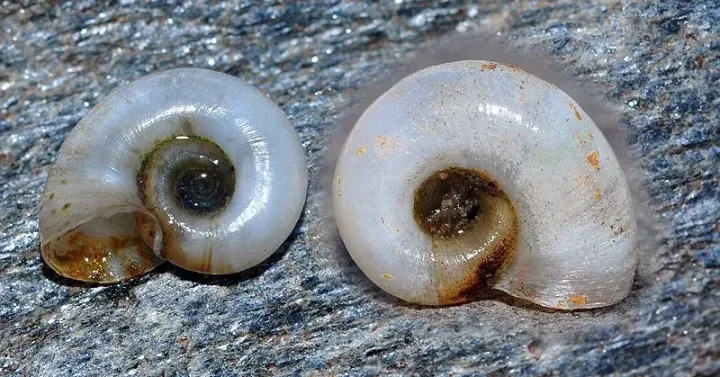
Description
How to identify
Planorbarius metidjensis belongs to the Planorbidae family within the order Basommatophora. These are freshwater gastropods known for their distinctively flat, discoidal shells.
The snail's soft body is typically dark brown or black, allowing it to blend into the muddy substrate of the aquatic environments it inhabits.
The shell is coiled in a single plane and can reach a diameter of 20 to 30 mm, with clear, well-defined whorls visible upon close inspection.
This species is well-adapted to stagnant or slow-moving water bodies, including irrigation ditches and flooded agricultural fields.
It is taxonomically recognized for its unique reproductive anatomy and is frequently monitored in Mediterranean and North African regions due to its ecological impact.
What it damages
The primary agricultural impact of Planorbarius metidjensis is observed in rice cultivation, where the snail finds its optimal habitat conditions.
Snails graze on young rice seedlings, scraping the epidermis and damaging the roots, which causes significant stunting or total loss of the crop.
High population densities can lead to substantial yield losses, as snails target the most tender parts of the plants during the early vegetative stage.
Beyond physical consumption, these snails contribute to the degradation of water quality and create entry points for secondary fungal infections in damaged tissues.
They also cluster in irrigation networks, where their presence impedes water flow and promotes the accumulation of debris and organic waste.
When it appears
The activity of Planorbarius metidjensis begins in spring as water temperatures rise, typically starting once the temperature exceeds 15 degrees Celsius.
Peak activity and breeding occur during the summer months, characterized by massive egg-laying events on the submerged parts of vegetation.
In temperate to warm climates, several generations can emerge within a single season, maintaining constant pressure on the crops throughout the growth cycle.
As temperatures drop in autumn, the snails retreat into bottom sediments to survive the winter, entering a state of reduced metabolic activity.
Management must be timed with these periods of activity, specifically targeting juvenile stages before they reach reproductive maturity.
Signs of infestation
One of the earliest signs of infestation is the appearance of skeletonized leaves on rice plants, showing clear scratch marks from the snail's radula.
Regular monitoring of irrigation ditches and field margins often reveals clusters of snails attached to aquatic weeds or submerged stems.
Visible slime trails on soil surfaces during periods of low water or night-time activity serve as an indicator of snail presence.
The accumulation of empty shells in dried-out drainage zones is a reliable indicator of a past high-density population in the vicinity.
Reduced vigor and patchy crop growth are frequently observed in fields heavily infested with these gastropods, especially in water-logged areas.
Control measures
Effective management begins with mechanical cleaning of irrigation canals to remove weeds that provide shelter and egg-laying substrates for the snails.
Periodic drying of fields acts as a natural control method, desiccating the snails and reducing their ability to thrive in the rice paddies.
Biological control, such as introducing fish species that feed on snails, provides a sustainable way to keep population numbers below the economic threshold.
Chemical applications should be used sparingly and only under professional guidance, prioritizing the safety of the local aquatic ecosystem.
Implementing filtration systems at water intake points is a critical preventative measure to stop the spread of snails into uncontaminated irrigation networks.
Taxonomy
- Latin name
- Planorbarius metidjensis
- Order
- Molluscs
- Family
- Planorbidae
- EPPO code
- PLAOME
Discussion
No discussions yet — be the first.