
Biomphalaria
Biomphalaria
Description
How to identify
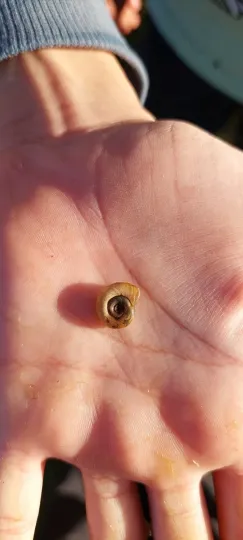
Biomphalaria is a genus of freshwater pulmonate snails belonging to the family Planorbidae. These organisms are easily recognized by their distinct discoidal shell, which is coiled in a single plane.
The shells are typically brown or reddish-brown, and adult individuals generally measure between 10 and 20 millimeters in diameter, making them visible to the naked eye.
They possess a well-developed muscular foot, which allows them to glide efficiently across various surfaces. Their respiratory system is adapted for life in water, often leading them to inhabit irrigation systems.
Being hermaphroditic, they have a high reproductive rate, which enables a single individual to colonize a new environment or hydroponic system in a very short period of time.
Their blood contains hemoglobin, which gives the snails a subtle reddish appearance, particularly noticeable when viewed under bright lighting in clear water.
What it damages
Biomphalaria primarily pose a threat to hydroponic farms, aquaponic setups, and greenhouse irrigation systems. They feed on plant tissues, specifically roots and seedlings.
The damage caused by their radula—a tongue-like organ with teeth—results in mechanical injury to the root systems. This weakens the plants, leading to nutrient uptake inhibition and poor growth.
Young transplants are at the highest risk, as snails can devour their root systems entirely, leading to plant death. Damaged tissues are also highly susceptible to fungal and bacterial rot.
The accumulation of waste from snails into the nutrient solution alters the chemical balance and promotes the growth of secondary microorganisms, which further damages plant health.
In addition to plant injury, heavy infestations can clog drip irrigation lines, water pumps, and filters, disrupting the operation of professional growing systems.
When it appears
In controlled environment agriculture, such as greenhouses and indoor hydroponic facilities, Biomphalaria can remain active throughout the entire year due to stable water temperatures.
The life cycle from egg to mature snail is relatively short, usually lasting several weeks. This allows for rapid population explosions if environmental conditions are favorable.
They thrive in temperatures between 20°C and 28°C, which are standard for many greenhouse irrigation systems, ensuring continuous breeding without dormant phases.
The accumulation of organic debris in reservoirs or pipes serves as a major factor in population surges, as it provides a constant food source for all developmental stages.
Spread within the facility usually occurs through the transfer of snails or their transparent egg masses via shared tools, irrigation equipment, or incoming plant stock.
Signs of infestation
The presence of small, gelatinous, and transparent egg masses on the inner walls of tanks, irrigation pipes, or the underside of leaves is the most reliable sign of an infestation.
Visible mechanical damage to root tips is a critical indicator. Roots may appear chewed, discolored, or covered in a slimy film that is not part of the standard root structure.
Shiny, translucent mucus trails left on equipment surfaces or the floor are clear indications that snails have been active in the area, typically during nocturnal hours.
Ragged or holed leaf blades in the lower section of the plant canopy suggest that snails have climbed out of the water to feed on the foliage.
Unexpected fluctuations in nutrient solution clarity or the development of a pungent, swampy odor are often indirect signs of a significant snail population living in the system.
Control measures
Mechanical removal is the primary and most effective method of control. Regularly scrubbing the interior of tanks, filters, and pipes prevents the accumulation of the biofilm that snails feed on.
Implementing physical barriers, such as fine mesh screens on reservoir inlets and pump intakes, prevents the migration of young snails between system components.
- Periodic disinfection of irrigation systems during downtime.
- Using UV sterilizers to neutralize eggs and larvae in the water.
- Regular manual inspection and removal of visible snails.
- Maintaining high hygiene standards to limit organic sediment buildup.
Chemical control with molluscicides should be considered a last resort. Any application must be performed with caution to ensure the chemicals are safe for the specific plant species.
Optimizing the nutrient solution chemistry, including consistent monitoring of pH and dissolved oxygen, creates a less hospitable environment for snail colonization.
Taxonomy
- Latin name
- Biomphalaria
- Order
- Molluscs
- Family
- Planorbidae
- EPPO code
- BIOMSP
Discussion
No discussions yet — be the first.