
Crested armiger
Armiger crista
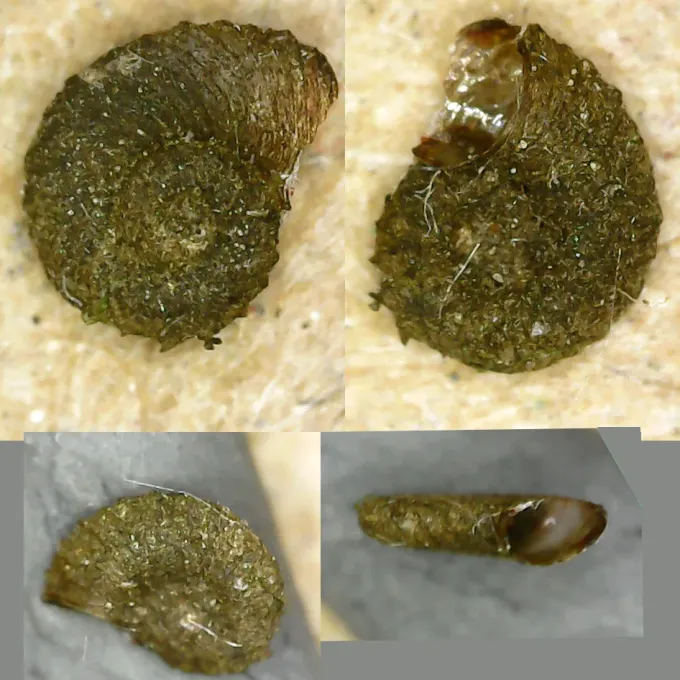
Description
How to identify
The Crested armiger (Latin Armiger crista) belongs to the Orthoptera order and the Acrididae family. It is distinguished by a prominent longitudinal keel on its pronotum, which resembles a ridge or crest, serving as a primary diagnostic feature.
These insects are characterized by a robust body structure with highly developed hind legs, adapted for jumping. Their coloration is typically cryptic, blending well with the surrounding vegetation, which acts as a natural defense mechanism.
As hemimetabolous insects, their development cycle excludes a pupal stage. Nymphs resemble miniature adults but lack fully developed wings, gradually gaining them through successive molting phases.
Adults exhibit significant mobility, capable of both jumping and sustained flight, which facilitates their ability to colonize new fields and spread across large agricultural areas.
Accurate identification involves microscopic analysis of the pronotum structure and male genitalia, alongside observation of behavior patterns in the field.
What it damages
This pest is highly polyphagous, showing a strong preference for cereal crops such as wheat, barley, maize, and oats. In the absence of primary targets, they may feed on various wild grasses and leguminous plants.
Both adults and late-stage nymphs are responsible for damage, aggressively consuming leaf tissue. This feeding pattern causes defoliation, which severely disrupts the plant's ability to perform photosynthesis.
During the flowering and grain-filling stages, the Crested armiger targets reproductive organs such as ears and panicles. This leads to direct yield loss and compromises the marketability of the harvested product.
In dry conditions, the pest's impact is magnified as they seek hydration from plant stems, frequently leading to the weakening and lodging of crops in infested areas.
Economic damage is evaluated based on the density of nymphs per square meter, necessitating structured surveys during the critical growth stages of the crop.
When it appears
The life cycle is dictated by seasonal temperature changes. Eggs remain in the soil throughout the winter, protected from freezing temperatures by their depth and the insulating properties of the earth.
Nymph hatching occurs in spring as soil temperatures rise. This phase is crucial for pest management, as localized interventions at this stage can significantly curb future population explosions.
The period of most intensive feeding occurs between late spring and mid-summer, overlapping with the rapid vegetative growth phase of cereals.
By mid-summer, most individuals reach the adult stage, marked by the presence of functional wings. This transition period is when the pest becomes most difficult to contain due to increased movement.
The cycle concludes in autumn, with adult females depositing eggs in the soil, ensuring the survival and re-emergence of the next generation in the following season.
Signs of infestation
Early symptoms of infestation include irregular "notching" along the edges of leaves. Over time, these marks expand, leading to significant foliage loss in affected clusters.
Observation during the cooler morning hours reveals the presence of the pests. When disturbed, they perform rapid, jerky movements, making them difficult to spot without careful attention.
The presence of fecal pellets on leaves and soil surface is a clear indicator of a thriving pest population and localized feeding activity.
Severe infestations manifest as large bare patches within the field where plants have been defoliated or stems have been partially severed, leading to rapid yellowing and wilting.
- Ragged edges on leaves caused by nymph feeding.
- Skeletonized leaf patches in high-density zones.
- Sudden decline in plant vigor and biomass.
Control measures
Effective agronomic management includes deep autumn plowing, which physically disrupts the soil surface and exposes overwintering egg pods to birds and freezing temperatures.
Maintaining clean field margins and implementing a proper crop rotation cycle significantly reduces the availability of suitable habitats for egg-laying and nymph development.
Chemical control should be implemented based on established economic thresholds. Systemic insecticides are preferred to manage the pest before it reaches the adult stage, when movement is harder to track.
Biological control methods involve encouraging the presence of natural predators, such as predatory beetles, birds, or specialized fungal pathogens that infect grasshopper populations.
Regular field monitoring using light traps or sweep nets is essential for early detection, allowing farmers to apply targeted, environmentally friendly control measures rather than broad-spectrum treatments.
Taxonomy
- Latin name
- Armiger crista
- Order
- Molluscs
- Family
- Planorbidae
- EPPO code
- ARMECR
Discussion
No discussions yet — be the first.