
Australorbis
Australorbis
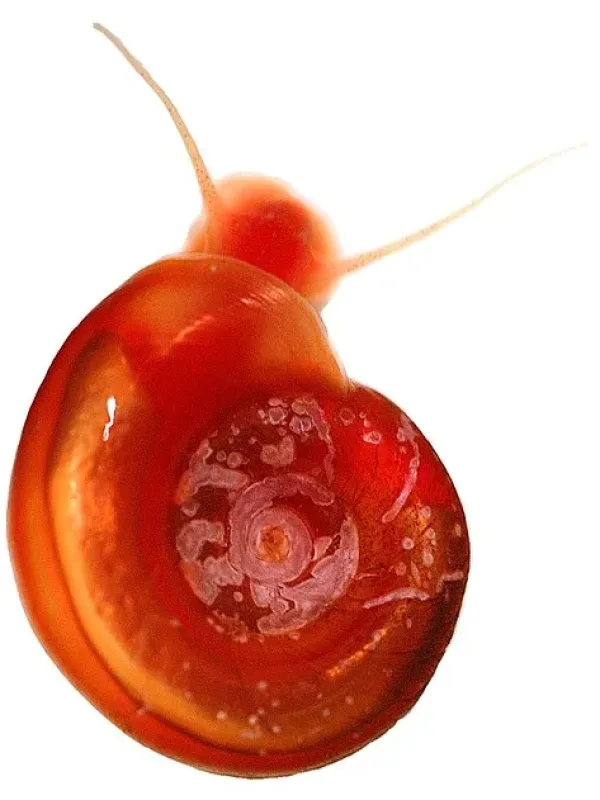
Description
How to identify
Australorbis is a genus of freshwater pulmonate snails belonging to the family Planorbidae. These gastropods possess a characteristic discoid or spirally coiled shell, which is adapted for life in aquatic environments. In an agricultural context, they are recognized as pests that can disrupt hydroponic systems and near-water crops.
Systematically, this genus belongs to the order Basommatophora. Morphologically, these mollusks are equipped with a lung-like mantle cavity, enabling them to survive in oxygen-depleted waters. Adult specimens typically reach sizes between a few millimeters and 1.5 centimeters, making them difficult to detect during initial stages of infestation.
The biology of these snails is closely tied to the presence of organic debris and aquatic vegetation. As hermaphrodites, they exhibit a high reproductive rate, allowing them to establish large colonies rapidly under favorable conditions. They deposit egg clutches on plant surfaces, protected by a specialized mucous secretion.
The life cycle encompasses egg, larval, and adult stages. Optimal metabolic activity occurs at water temperatures between 20-25 degrees Celsius. In artificial systems or hydroponic setups, their populations can reach damaging levels within just a few weeks of introduction.
Their agricultural significance is tied not only to direct tissue damage but also to their role as intermediate hosts for various parasites and vectors for pathogens. Their waste products alter the chemical composition of nutrient solutions, negatively impacting root health.
What it damages
Australorbis primarily damages crops grown in hydroponic, aquaponic, or saturated soil conditions, such as rice paddies. These snails feed on young shoots, root hairs, and decaying organic matter, which weakens the plant's overall immune system.
When populations reach high densities, the pests can completely destroy young seedlings by grazing on the epidermal tissues. These wounds create entry points for fungal and bacterial infections, leading to root rot and eventual plant collapse.
In rice cultivation, their presence leads to uneven crop stands during early vegetative stages. They feed on leaves in contact with the water, reducing photosynthetic activity and suppressing growth rates during the critical tillering period.
The most severe damage often occurs at the root crown. Destruction of this area prevents efficient nutrient uptake, resulting in chlorosis, stunted growth, and a potential reduction in total crop yield by up to 30% or more.
Beyond direct feeding, Australorbis contributes to the clogging of irrigation lines. The mucus they secrete creates a favorable substrate for pathogenic microorganisms that further compromise the plant's vascular system.
Signs of infestation
The first sign of infestation is the presence of egg clutches on the underside of leaves or on submerged equipment surfaces. These clutches appear as transparent, jelly-like masses containing small dark spots.
Visual inspection of the water or system components often reveals adult snails moving along the walls of reservoirs or across the substrate. A characteristic slimy residue may also be observed near the root zone.
Leaves may show irregular holes or a "skeletonized" appearance, where only the tough veins remain. These damaged areas often become focal points for secondary infections, such as necrosis or mold growth.
Hydroponic systems may exhibit cloudy nutrient solutions and a distinctive organic decay odor, which serves as a clear indicator of a significant population of snails living within the system.
General poor performance, such as lack of vigor or unexpected yellowing of lower foliage despite adequate fertilization, indicates root damage. If such symptoms appear, a thorough inspection of the root zone is required.
Control measures
Mechanical removal of adult snails and their egg clutches is highly effective in small-scale setups. Regular cleaning of filters and flushing of the substrate prevents the accumulation of the pest population.
Biological control methods include the introduction of natural predators, such as specific fish species or predatory invertebrates, which can effectively keep the snail population in check without damaging the primary crop.
Chemical control requires extreme caution due to potential phytotoxicity. Copper-based molluscicides can be used in strictly regulated dosages, ensuring they remain safe for the specific plant species being grown.
Preventative measures are essential, especially quarantine of new plant material. Thorough disinfection of seeds and seedlings prior to planting is the most reliable way to prevent the introduction of these pests into clean systems.
Modifying water parameters, such as pH and aeration levels, can make the environment less hospitable for Australorbis. Consistent replacement of nutrient solutions helps reduce organic accumulation, starving the snail population.
Taxonomy
- Latin name
- Australorbis
- Order
- Molluscs
- Family
- Planorbidae
- EPPO code
- AUSOSP
Discussion
No discussions yet — be the first.