
Pirkimerus
Pirkimerus
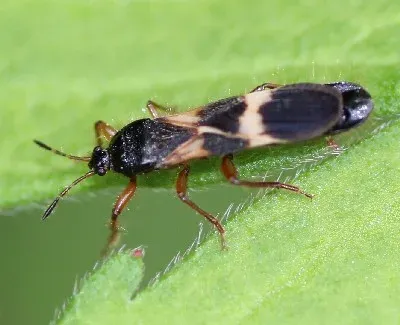
Description
How to identify
Pirkimerus belongs to the order Coleoptera and the family Curculionidae (weevils). These are typically small beetles characterized by a distinct rostrum or snout, which is a specialized mouthpart used for feeding.
The adult form is generally compact with a body covered in scales or dense hairs, providing effective camouflage within soil or plant debris. They are known for their ability to blend into their environment, making detection difficult.
The life cycle follows complete metamorphosis, including egg, larval, pupal, and adult stages. The larvae are typically legless and C-shaped, often residing hidden within roots or plant tissue.
Taxonomically, this genus contains several species with specific host plant preferences. Their development is closely tied to the physiological stages of their host plants, allowing them to time their emergence with plant growth.
Microscopic examination of the rostrum and genital structures is usually necessary for precise species identification, as they often share physical characteristics with other related weevil species.
What it damages
Pirkimerus affects a variety of crops, primarily focusing on legumes and certain vegetable species. Seedlings and young plants are at the highest risk during the initial phases of their growth.
Adult beetles feed on leaves, creating small holes or scalloped edges along the leaf margins. Such feeding reduces the total leaf surface area available for photosynthesis, weakening the plant.
The larvae are particularly destructive as they feed on roots, causing direct damage to the vascular system. This restricts water and nutrient uptake, leading to stunted growth and increased susceptibility to drought stress.
Severe infestations often result in root damage that can lead to total crop failure. The weakened plants may also become more vulnerable to secondary pathogenic infections through the wounds created by the larvae.
- Leaf tissue consumption.
- Root system damage.
- Disruption of nutrient uptake.
- Overall plant stunting.
- Reduction in final yield quality.
When it appears
The activity of the pest begins in early spring as soil temperatures rise. Adult weevils emerge from their overwintering sites, often correlating with the appearance of new plant sprouts.
Multiple generations may occur throughout the summer, depending on regional temperature and moisture conditions. They are most active during cooler parts of the day, such as early morning or dusk.
As autumn approaches, the adults seek protected areas in the soil or under leaf litter to enter diapause. This enables them to survive harsh winter conditions and re-emerge the following spring.
Humidity plays a critical role in the developmental rate of larvae. While adults are somewhat hardy, larval survival is significantly higher in soils with optimal moisture levels.
Agronomic monitoring should be most intensive during the crop emergence period, as this is when the plants are least capable of recovering from pest damage.
Signs of infestation
The primary symptom of infestation is the presence of irregular "shot-holes" or eaten margins on the leaves. When observed closely, these patterns are diagnostic of weevil feeding activity.
Wilting of the plant canopy during the daytime, despite adequate soil moisture, indicates potential root damage. This is a classic sign of subterranean feeding by larvae.
The presence of adult beetles on the foliage, particularly in the early hours of the day, is a direct sign of an active infestation. They often exhibit thanatosis, a behavior where they drop to the ground and play dead when disturbed.
Small mounds of frass or tunnels near the base of the plant provide evidence of larval presence in the root zone. Investigating the roots of wilted plants often reveals the larvae directly.
Patches of reduced plant vigor or uneven growth across a field are strong indicators that a Pirkimerus population is established and causing sub-lethal damage.
Control measures
Effective management requires an integrated approach. Crop rotation is a fundamental tool to disrupt the pest's life cycle and prevent the build-up of population densities.
Deep autumn plowing of the soil is highly recommended to expose overwintering stages to the elements and avian predators, significantly reducing the starting population for the next season.
Systemic insecticides may be applied if infestation thresholds are exceeded. These treatments should be timed strategically to protect young plants while minimizing impact on non-target beneficial insects.
Biological control agents, such as entomopathogenic nematodes or fungi, are increasingly used to target the larval stages within the soil, providing a sustainable alternative to chemical controls.
Regular field scouting using yellow sticky traps or visual inspection allows for data-driven decisions regarding management, ensuring that treatments are applied only when and where necessary.
Taxonomy
- Latin name
- Pirkimerus
- Order
- Hemiptera (bugs, aphids, leafhoppers)
- Family
- Lygaeidae
- EPPO code
- PIRKSP
Discussion
No discussions yet — be the first.