
Cylindrical longhorn beetle
Phytoecia cylindrica
Description
How to identify
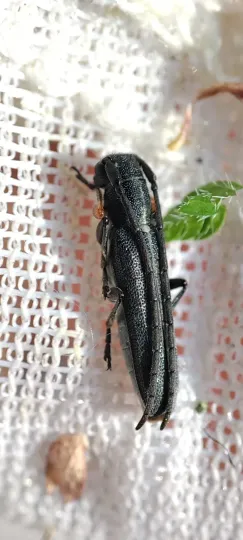
The Cylindrical longhorn beetle (Phytoecia cylindrica) is a member of the Cerambycidae family. The adult beetle features a slender, cylindrical body, usually measuring between 8 and 15 mm in length.
The body is covered with fine greyish hairs, giving it a dull, matte appearance, while the base color of the exoskeleton is typically black or dark bronze.
The larvae are legless, white, and segmented, possessing a hard chitinous head capsule. They are specifically adapted to tunnel within the stems of host plants.
These beetles are widely distributed across the Palearctic region, thriving in environments where various wild and cultivated Apiaceae are abundant.
Identification can be confirmed by the presence of characteristic long antennae and the specific host range associated with the Apiaceae plant family.
What it damages
The primary damage is caused by the larvae, which bore into the stems of plants such as carrots, parsley, dill, and caraway. This internal feeding disrupts vascular systems.
While adults may feed on the surface of petioles and stems, this damage is generally minor compared to the destructive internal tunnelling performed by the larvae.
Infested plants exhibit stunted growth, reduced nutrient uptake, and decreased vigor, often leading to lodging or premature senescence of the foliage.
In seed production, the damage is particularly severe, as the tunnelling compromises the development of the stalks, resulting in lower seed yield and poor quality.
Secondary infections by fungi and bacteria often exploit the entry points created by the beetles, further exacerbating the health decline of the affected plants.
When it appears
Adult beetles typically emerge in late spring or early summer, following overwintering, to begin their period of maturation feeding and mating.
Females deposit eggs individually into small incisions they make in the lower stems of host plants, which serve as the entry point for the neonate larvae.
The larval stage lasts throughout the summer months, during which they feed and develop inside the plant stem, moving throughout the vascular tissues.
By autumn, the larvae usually reach full maturity and prepare to overwinter within the base of the plant or in the upper root crown area.
There is typically one generation per year, making the spring emergence period the most critical window for monitoring and implementing protective measures.
Signs of infestation
The first indicator of an infestation is the presence of small, characteristic puncture wounds on the stems where the females have oviposited.
As larvae feed internally, the most visible sign is the yellowing and wilting of the upper leaves, which indicates a failure in the plant's nutrient transport.
- Chlorosis and necrosis of leaf tissue.
- Accumulation of brown frass (larval excrement) at the base of the plant.
- Stem brittleness, often resulting in snapping under windy conditions.
- Malformation or failure of umbel development in seed crops.
Splitting the stem of a suspected plant will reveal internal hollows filled with granular, brown sawdust-like material created by the boring activity of the larvae.
Field-level indicators include patchy development within the crop, with affected plants appearing noticeably smaller or collapsing prematurely.
Control measures
Effective management requires a combination of cultural practices and targeted chemical interventions to disrupt the beetle's life cycle.
Deep autumn plowing is a highly effective cultural method, as it buries crop residues where larvae and pupae spend the winter, preventing adult emergence.
Maintaining strict crop rotation and distancing new plantings from previous year's fields are essential to prevent the migration of beetles to new host plants.
Chemical control with systemic insecticides should be timed to coincide with the period of adult activity to kill the beetles before they lay eggs.
Sanitation, including the removal of wild Apiaceae weeds in and around the fields, significantly reduces the environmental reservoir of the pest population.
Taxonomy
- Latin name
- Phytoecia cylindrica
- Order
- Coleoptera (beetles)
- Family
- Cerambycidae
- EPPO code
- PHTECY
Discussion
No discussions yet — be the first.