
Jumping plant lice of the genus Phylloplecta
Phylloplecta
Description
How to identify
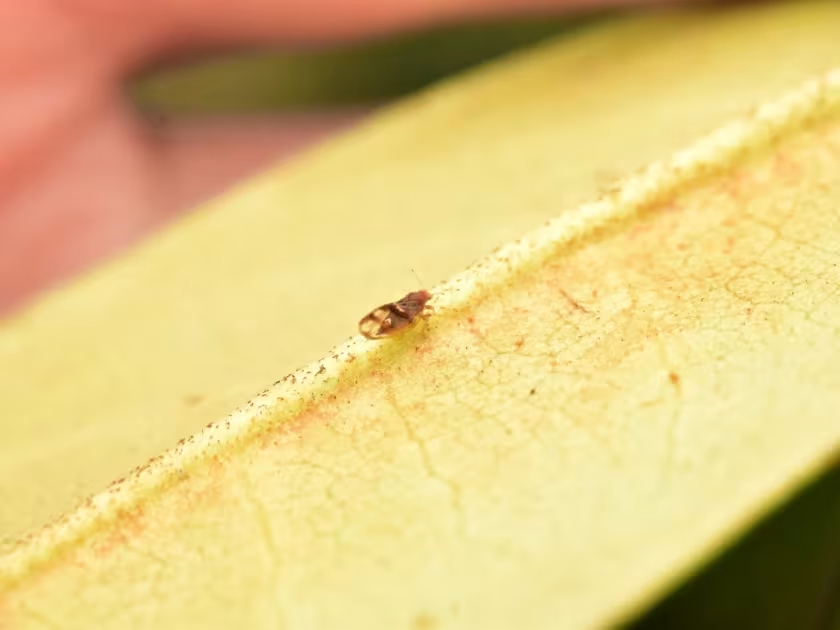
The genus Phylloplecta belongs to the family Triozidae, within the order Hemiptera. These insects are commonly referred to as jumping plant lice or psyllids due to their distinct appearance.
Adults possess specialized hind legs adapted for jumping, allowing them to escape threats quickly. Their body size is typically small, often blending into the foliage of their host plants.
Nymphs are often found stationary on leaves, frequently covered in waxy or sugary secretions that act as a protective barrier against environmental stress.
The life cycle involves incomplete metamorphosis, including the egg, nymph, and adult stages, with each stage showing specific preferences for plant tissues.
Overwintering usually occurs in the adult stage, where they seek shelter in bark crevices, leaf litter, or other protected areas until favorable temperatures return.
What it damages
These insects primarily feed on a variety of woody plants, using piercing-sucking mouthparts to extract sap, which directly weakens the host plant.
Damage often manifests as leaf curling, chlorosis, or the formation of galls, where the plant tissue reacts to the insect's saliva and feeding activity.
Reduced photosynthetic efficiency in infested plants leads to stunted growth, premature leaf drop, and decreased overall vigor of trees and shrubs.
Heavy infestations can lead to significant economic loss in nursery stock or orchards due to the reduction in plant health and potential transmission of diseases.
The accumulation of honeydew secreted by nymphs provides a substrate for sooty mold growth, which further blocks light and interferes with gas exchange on the leaf surface.
Signs of infestation
Characteristic signs include deformed, curled, or galled leaves on young growth, which are symptomatic of psyllid feeding during the early stages of plant development.
The presence of sticky honeydew on the leaves is a common indicator of a thriving colony of nymphs underneath or on the surface of the plant tissue.
Development of black sooty mold on the foliage is a visual warning that an infestation has been present long enough to produce significant excrement.
Presence of chlorotic spots or necrotic patches indicates severe damage to the leaf cells caused by the feeding enzymes injected by the insects.
Sudden disturbance of branches during the day often reveals the adults, which will jump or take flight in response to movement near the plant.
Control measures
Effective management begins with maintaining high plant health through appropriate irrigation and nutrition, making the host less susceptible to colonization.
Biological control agents, such as lady beetles, lacewings, and parasitic wasps, play a crucial role in suppressing psyllid populations naturally.
Insecticidal sprays, particularly those with systemic action, are recommended when populations exceed manageable thresholds or when plant health is at risk.
Sanitation practices, such as pruning heavily infested shoots and removing leaf litter in the fall, significantly reduce the number of overwintering adults.
Consistent monitoring and early detection are essential to prevent the establishment of large colonies and to minimize the need for heavy chemical intervention.
Taxonomy
- Latin name
- Phylloplecta
- Order
- Hemiptera (bugs, aphids, leafhoppers)
- Family
- Triozidae
- EPPO code
- PHPLSP
Discussion
No discussions yet — be the first.