
Mulberry black looper
Phthonandria atrilineata
Description
How to identify
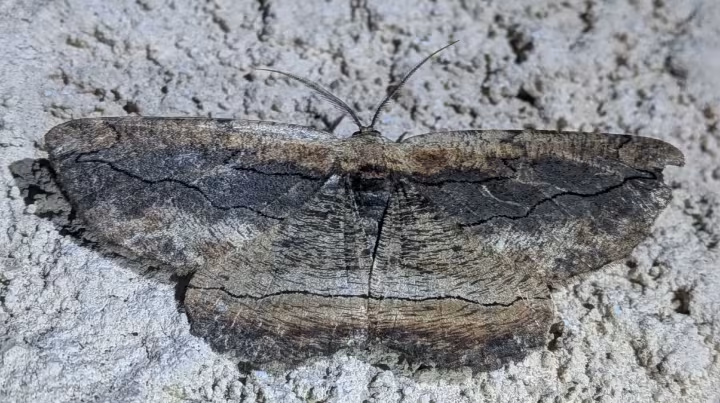
The Mulberry black looper (Phthonandria atrilineata) is a member of the Geometridae family, known for the unique "looping" motion of its larvae. The adult moth typically has a wingspan of 30-40 mm with greyish-brown patterns designed for camouflage.
The larvae, or caterpillars, are the primary stage of concern for growers. They blend in perfectly with mulberry branches, making them difficult to detect during early stages of infestation. The body is usually brownish or dark, reflecting the color of host bark.
This species undergoes a complete metamorphosis, including egg, larval, pupal, and adult stages. The number of generations per year depends heavily on the regional climate, with warmer areas often supporting more frequent life cycles.
Pupation occurs primarily in the soil or protected areas near the base of the trees. This survival strategy allows the insect to overwinter effectively and emerge synchronously with the bud break of the host plant in the spring.
The synchronization between moth emergence and the availability of fresh mulberry leaves is a critical factor for the success of the population. Environmental temperature and humidity are the key drivers of their reproductive intensity.
What it damages
The primary host for this pest is the mulberry tree, which it can severely defoliate. While mulberry is the preferred food source, the larvae are capable of feeding on other woody plants when mulberry foliage is scarce.
Caterpillars use their chewing mouthparts to consume leaf tissue, often leaving only the main veins. This process, known as skeletonization, significantly hinders the plant's photosynthetic capacity and weakens its overall physiological health.
Severe infestations can lead to substantial biomass loss, which stunts tree growth and reduces berry production. Repeated damage over successive seasons compromises the tree’s structural integrity and increases susceptibility to secondary diseases.
Early season damage to buds and young shoots is particularly detrimental, as it prevents the plant from developing a healthy canopy. This damage forces the tree to expend stored energy reserves to produce new growth, which drains the plant's vitality.
In silkworm-rearing areas, damage to mulberry leaves is an economic disaster, as the leaf quality directly impacts the health and silk production capabilities of the silkworms fed on this foliage.
Control measures
Managing the Mulberry black looper requires a strategic, integrated pest management (IPM) approach. Monitoring populations through pheromone traps or systematic field scouting is the first essential step in preventing outbreaks.
Mechanical control includes the removal and destruction of pupae during the dormant season by tilling the soil beneath the trees. This simple practice significantly reduces the overwintering population and the pressure for the following season.
Biological control agents, such as specialized bacteria or beneficial insects, can be highly effective against early larval stages. These methods reduce the need for harsh chemicals and maintain the ecological balance in the orchard.
If chemical intervention is necessary, targeted insecticides should be applied when the caterpillar population reaches the economic threshold. Always follow local agricultural guidelines to ensure the safety of the harvest and the surrounding environment.
- Pruning and removal of heavily infested or damaged branches.
- Application of sticky bands to trunks to prevent larval movement.
- Encouragement of predatory birds and beneficial insects in the garden.
Taxonomy
- Latin name
- Phthonandria atrilineata
- Order
- Lepidoptera (butterflies)
- Family
- Geometridae
- EPPO code
- PHTAAT
Discussion
No discussions yet — be the first.