
Phrissogonus
Phrissogonus
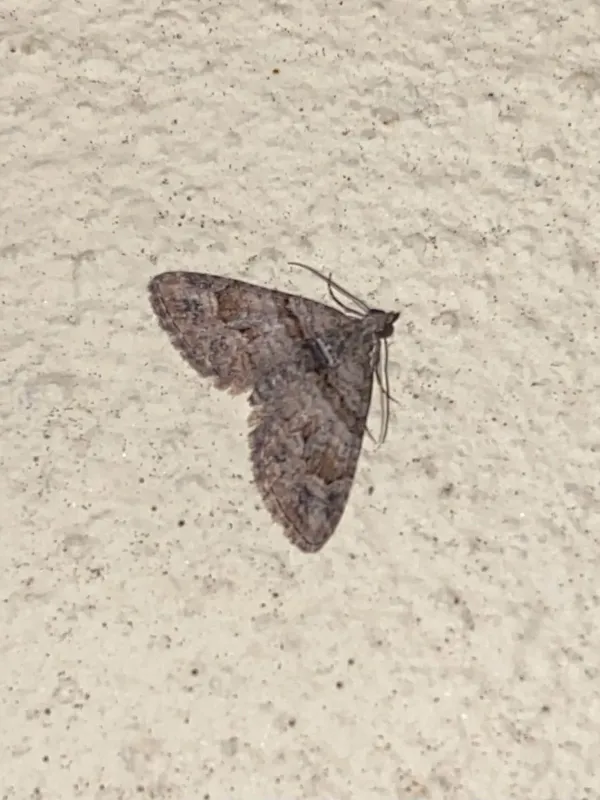
Description
How to identify
Phrissogonus is a genus of moths belonging to the Geometridae family. These insects are commonly known as small looper moths, and their larvae can act as significant pests in agricultural and ornamental settings depending on the regional species.
Systematically, the genus is categorized within the Larentiinae subfamily. Adult moths are typically small with cryptic coloration, often exhibiting mottled grey or brown patterns that provide excellent camouflage against tree bark during the daytime.
The larvae, or caterpillars, of Phrissogonus exhibit remarkable adaptation to their host plants. They are often slender and possess coloration that mimics the developing buds or floral structures, making them extremely difficult to spot without close inspection.
The life cycle encompasses four distinct stages: egg, larva, pupa, and adult. Reproduction usually involves laying eggs on or near the host plant's tender parts, ensuring that the emerging larvae have immediate access to a food source.
Pupation frequently occurs in the soil or within crevices of bark. This overwintering strategy allows the insect to endure colder temperatures and emerge in the spring precisely when the host plants begin their new vegetative cycle.
What it damages
The primary hosts of Phrissogonus are deciduous fruit trees, particularly those within the Rosaceae family such as apple and pear trees. The larvae are specialized feeders targeting the reproductive parts of these plants.
The most severe damage occurs when larvae consume flower buds and developing blossoms. By feeding on the internal tissues, they prevent fertilization and fruit set, which can lead to significant yield losses in commercial orchards.
Visible signs of infestation include distorted or failed blossoms, premature bud drop, and sometimes webbing around the flower clusters. In severe cases, the larvae may also feed on young leaves, slowing down the overall growth of the tree.
Because the larvae are concealed within the buds during their initial developmental stages, the damage is often discovered only after it has become widespread. This latency period makes early identification critical for effective management.
The impact of Phrissogonus is most pronounced during years with high population density, where the cumulative loss of reproductive organs can severely diminish the harvest potential of an entire plantation.
Control measures
Effective control of Phrissogonus requires an Integrated Pest Management (IPM) approach. Regular monitoring is essential, using pheromone traps for adult moths or visual sampling of buds to detect early larval activity.
Cultural control practices, such as maintaining clean cultivation around the base of trees, are helpful. Tilling the soil in the fall or early spring can disrupt the pupae buried in the ground, significantly reducing the survival rate for the next generation.
Chemical intervention should be timed carefully. Targeted insecticides are most effective when applied during the larval emergence period before the caterpillars have burrowed too deeply into the buds to be reached by sprays.
Biological control plays a key role in sustainable management. Encouraging natural enemies, such as parasitic wasps and predatory insects that feed on moth larvae, can significantly keep population levels below the economic threshold.
- Monitor populations using pheromone traps.
- Implement soil cultivation to disrupt pupal stages.
- Apply selective insecticides during larval emergence.
- Encourage beneficial predators and parasitoids in the garden.
Taxonomy
- Latin name
- Phrissogonus
- Order
- Lepidoptera (butterflies)
- Family
- Geometridae
- EPPO code
- PHRUSP
Discussion
No discussions yet — be the first.