
Photinus signaticollis
Photinus signaticollis
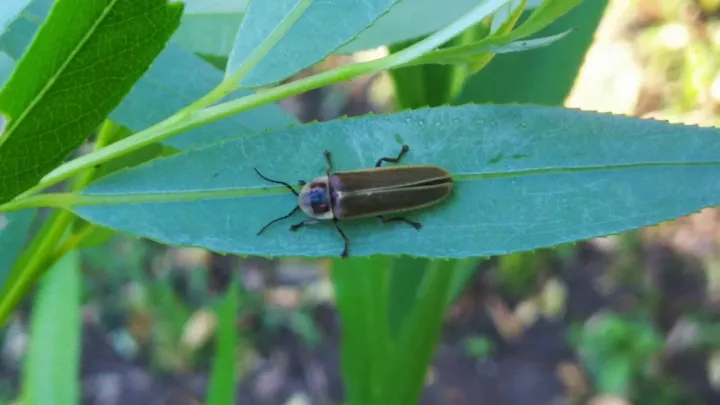
Description
How to identify
Photinus signaticollis is a species of beetle belonging to the Lampyridae family. Like other fireflies, these insects have soft bodies and specialized light-producing organs located in their abdomen, which are used for signaling.
Adults are typically characterized by a specific dark marking on the pronotum. This anatomical feature is useful for distinguishing them from other similar-looking species in the same genus.
The larvae are typically flattened and live primarily in moist soil or organic debris. They possess mouthparts adapted for hunting small invertebrates, though they may inadvertently damage plant roots when soil organic matter is scarce.
The life cycle follows complete metamorphosis, including egg, larva, pupa, and adult stages. This complex cycle allows the species to occupy different niches during different stages of development.
Monitoring for this species is best conducted at night, when the bioluminescence of the adults makes them easily detectable in fields and gardens.
What it damages
While often considered beneficial, Photinus signaticollis can become a nuisance under specific agricultural conditions where their preferred prey is limited, leading them to feed on tender plant parts.
Larvae are known to cause damage to the root systems of seedlings, which leads to stunted growth, reduced nutrient uptake, and eventual wilting of the young plants.
Adult beetles may cause damage to the reproductive parts of plants, such as flower buds and young foliage, resulting in aesthetic damage and reduced potential yield.
The feeding activity of this species often creates small wounds on the plant, which serve as entry points for secondary bacterial and fungal pathogens that can cause severe rot.
In high-density populations, the cumulative damage to the root system and foliage can lead to significant economic losses in vegetable and ornamental crop production.
When it appears
The activity of adult Photinus signaticollis is highly seasonal, peaking during warm summer months when conditions are optimal for nocturnal mating and communication.
Larval development typically occurs throughout the growing season, but they are most destructive during spring and autumn when the soil maintains a favorable moisture level.
Pupation takes place in sheltered environments, such as the upper soil layers or beneath dense leaf litter, providing protection from temperature fluctuations.
Adult beetles are nocturnal, with their peak activity periods occurring between dusk and late night, which dictates the timing for effective monitoring and control interventions.
Overwintering occurs in the larval or pupal stage, as they burrow deep into the soil to survive the cold and unfavorable environmental conditions of the winter season.
Signs of infestation
Presence of the pest can be identified by the appearance of small, irregular holes on the leaves and signs of root damage in seedlings, such as sudden wilting.
Nighttime bioluminescence observed within crop fields is a clear indicator of a breeding population of Photinus signaticollis in the area.
During soil inspections, the presence of flat, dark-colored larvae among the roots or within decomposing organic material points to an active infestation.
Damage to floral parts and the presence of adult beetles near the plant base at night are consistent signs of their activity.
The accumulation of debris and high soil moisture levels are environmental indicators that correlate with higher risks of Photinus signaticollis infestations.
Control measures
Mechanical control through deep tillage is highly effective, as it disrupts the larval habitat and exposes individuals to predators and desiccation.
Crop rotation and field sanitation help eliminate the favorable microclimates and organic debris that sustain larval populations between growing seasons.
Biological control methods, particularly the application of entomopathogenic nematodes, have shown promise in managing larval populations without harming beneficial soil fauna.
Light traps can be utilized during the adult activity period to reduce the breeding population, thereby limiting the number of eggs laid for the following generation.
- Deep soil cultivation
- Field hygiene and weed control
- Application of bio-pesticides
- Nocturnal light trapping
- Optimizing soil irrigation
Taxonomy
- Latin name
- Photinus signaticollis
- Order
- Coleoptera (beetles)
- Family
- Lampyridae
- EPPO code
- PHOTSI
Discussion
No discussions yet — be the first.