
Common glowworm
Lampyris
Description
How to identify
The common glowworm (Lampyris noctiluca) belongs to the Lampyridae family within the Coleoptera order. This species exhibits distinct sexual dimorphism, with winged males and flightless, larva-like females.
Adult females reach up to 20 mm in length and are known for their bioluminescent light, which they use to signal to males at night. The bodies of both sexes are elongated and soft-textured.
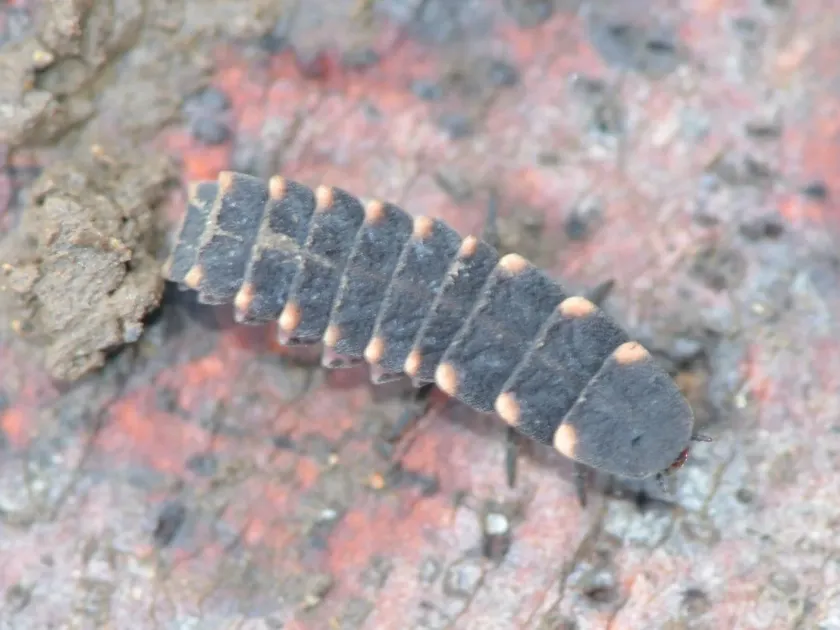
The larvae are typically dark-colored with yellow lateral markings, adapted for a predatory lifestyle. They spend most of their two-year life cycle hidden in damp soil or under organic debris.
Eggs are laid in moist environments, ensuring that emerging larvae have immediate access to food sources such as slugs and snails, which are critical for their rapid growth.
Glowworms are highly sensitive to environmental changes and their presence serves as an indicator of a balanced and healthy soil ecosystem in gardens and meadows.
What it damages
It is important to clarify that the common glowworm is not a plant pest. On the contrary, it is a highly beneficial insect that acts as a natural biological control agent against garden pests.
The primary diet of glowworm larvae consists of slugs and snails, which are among the most destructive pests for vegetable crops, seedlings, and ornamental foliage.
By hunting and consuming these gastropods, glowworms significantly reduce the damage caused to garden plants, acting as a natural alternative to chemical pesticide use.
They paralyze their prey with specific enzymes before digestion, allowing them to manage mollusk populations much larger than themselves in terms of physical size.
Because they do not feed on plant tissues, they pose zero threat to crops, making them an essential component of a sustainable agricultural management strategy.
Control measures
There are no measures to control glowworms as pests, as they provide essential ecosystem services. In fact, farmers and gardeners should prioritize the protection and preservation of this species.
To support a healthy population, one should avoid the use of broad-spectrum molluscicides and toxic insecticides, which can unintentionally eradicate these beneficial predators.
Maintaining undisturbed areas in the garden, such as wood piles, leaf litter, and tall grass patches, provides the necessary shelter for larvae throughout their life cycle.
Implementing organic gardening practices encourages a stable population of glowworms, which in turn helps manage slug problems throughout the growing season.
In cases where slug populations become overwhelming, one should look for selective biological control methods that do not harm the local population of natural predators like the common glowworm.
Taxonomy
- Latin name
- Lampyris
- Order
- Coleoptera (beetles)
- Family
- Lampyridae
- EPPO code
- LAMPSP
Discussion
No discussions yet — be the first.