
Phosphaenus hemipterus
Phosphaenus
Description
How to identify
Phosphaenus hemipterus is a unique species belonging to the Lampyridae family, commonly known as a type of glow-worm beetle.
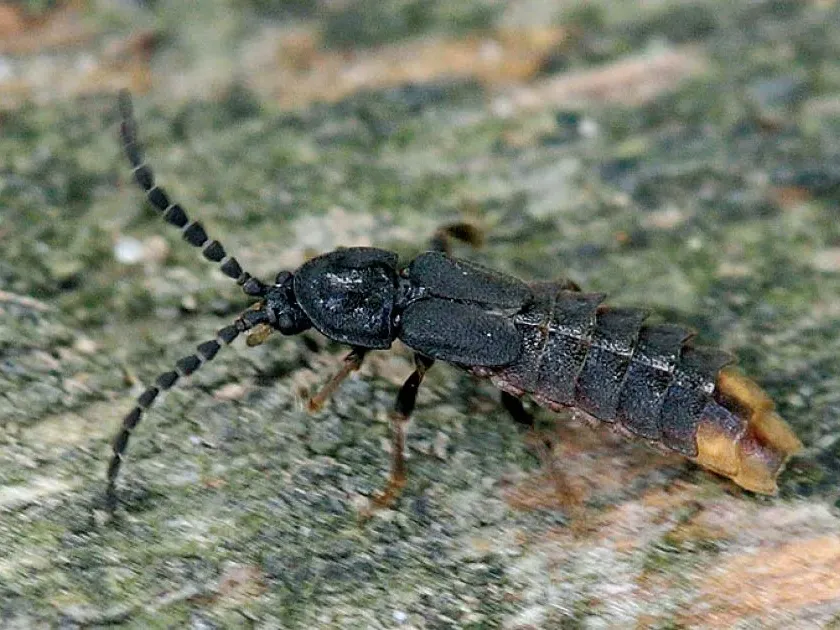
Unlike many other fireflies, these beetles do not emit light as adults, and the males have short wing covers (elytra) that are non-functional for flight.
The females are wingless and resemble large larvae, which is a common trait among some members of this specific family.
They are generally dark brown or black in color, with a segmented body structure that makes them look similar to ground-dwelling arthropods.
The larval stage is the most active hunting period, during which the insects remain hidden in moist habitats to avoid desiccation.
What it damages
The diet of Phosphaenus hemipterus consists almost exclusively of terrestrial gastropods, primarily slugs and snails.
They are rarely considered pests in agriculture, as they serve as predators of organisms that are themselves significant crop destroyers.
While they are beneficial, an overabundance of larvae in nursery settings could potentially disturb delicate plant roots or soil structure.
Direct damage to agricultural crops is negligible compared to the benefits provided by their predatory habits on slugs and snails.
Farmers should view these beetles as part of the integrated pest management strategy rather than as a target for eradication.
When it appears
Adults are typically observed in the late spring and early summer months, which coincides with their mating season.
Larval activity is high throughout the growing season, provided that moisture levels in the soil are sufficient for their survival.
They spend the winter months in a state of diapause, hiding within the soil, under mulch, or inside decaying wood piles.
As the weather warms in spring, the larvae become active and begin hunting for prey in gardens and agricultural fields.
The timing of their emergence is highly dependent on local climate factors and the activity patterns of their primary prey.
Signs of infestation
Signs of their presence include damaged or empty snail shells discarded near the base of garden plants.
Searching at night under moist debris or stones can reveal active adults or larvae, which are nocturnal by nature.
A reduction in the population of slugs and snails in a greenhouse or garden bed often indicates the presence of these predatory beetles.
Larvae can be identified by their elongated, segmented bodies and dark coloration, distinguishing them from true crop-eating pests.
Monitoring the soil surface during wet conditions provides the best opportunity to observe these elusive beneficial insects.
Control measures
Direct chemical control is not recommended for Phosphaenus hemipterus because they act as natural controllers of garden slugs.
Adopting sustainable agricultural practices helps maintain a stable population of these beneficial predators within the ecosystem.
If population control is necessary for specific non-agricultural reasons, manual relocation is a safe and effective alternative to pesticides.
Reducing excessive pesticide use ensures that these natural predators can continue to manage pest populations effectively.
Improving soil structure and managing humidity levels in gardening plots can naturally regulate the number of predatory beetles present.
Taxonomy
- Latin name
- Phosphaenus
- Order
- Coleoptera (beetles)
- Family
- Lampyridae
- EPPO code
- PHOHSP
Discussion
No discussions yet — be the first.