
Luciola novaki
Luciola novaki
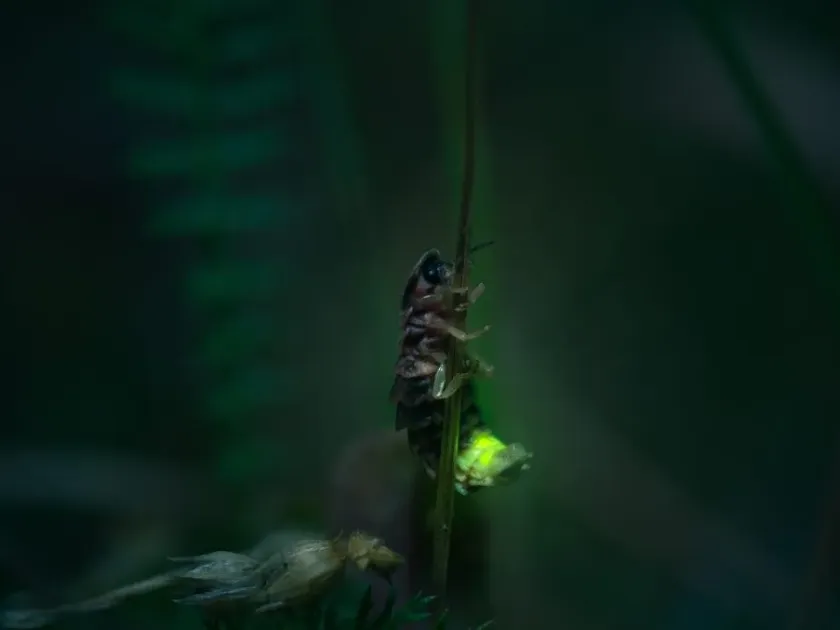
Description
How to identify
Luciola novaki is a species of firefly belonging to the family Lampyridae (order Coleoptera). These beetles are known for their bioluminescent properties.
Adult beetles have a characteristic elongated, flattened body with soft elytra. The pronotum often displays a distinct pattern specific to the species.
The larvae are typically flattened and elongated, featuring strong mandibles that allow them to hunt and feed on terrestrial mollusks.
Identification is mainly based on the specific flash patterns emitted by males during mating rituals, which differ significantly between firefly species.
They prefer damp, shady environments where the humidity levels are high enough for their larvae to thrive and seek out prey.
What it damages
Luciola novaki does not feed on plant tissues, meaning it causes zero damage to agricultural crops or ornamental plants.
The species is not a pest, as it lacks the physiological adaptations required to consume leaves, stems, roots, or fruits of cultivated plants.
Instead, the larvae act as natural predators, feeding primarily on slugs and snails, which are common and destructive garden pests.
Therefore, their presence in an agricultural ecosystem is beneficial rather than harmful, helping to regulate the population of gastropods naturally.
Misidentifying them as pests can lead to unnecessary chemical applications that harm beneficial insects and disrupt the ecological balance.
When it appears
Adult activity peaks during the warmer months, typically from late spring through mid-summer, when conditions are optimal for reproduction.
The most observable phase is the mating season, during which males produce light signals at night to attract females.
Larvae are active throughout the growing season, living in the soil or under leaf litter where they search for their mollusk prey.
The life cycle involves complete metamorphosis, and winter is usually spent in the larval stage, tucked away in protected micro-habitats.
Environmental factors such as moisture and temperature directly influence the timing of their emergence and the overall health of the population.
Signs of infestation
The most distinctive sign of their presence is the rhythmic, pulsing light observed in gardens and fields during night-time hours.
During the day, they remain well-hidden, usually found under organic mulch, damp wood, or dense vegetation to avoid dehydration and predators.
A lack of plant damage coupled with the sighting of predatory larvae suggests a healthy ecosystem with natural pest control mechanisms in place.
The presence of Luciola novaki is a biological indicator of high environmental quality and minimal reliance on toxic chemicals.
If you see these beetles, it indicates that your agricultural practices are environmentally friendly and supportive of local biodiversity.
Control measures
There are no control measures required for Luciola novaki, as they are non-pest organisms that contribute positively to plant protection.
To support this beneficial insect, it is recommended to minimize the use of broad-spectrum insecticides that kill both pests and their natural enemies.
Maintaining undisturbed areas in the garden with leaf litter and consistent soil moisture provides the necessary habitat for their development.
Integrated Pest Management (IPM) strategies should actively encourage the conservation of such predatory beetles to manage slug and snail populations.
Effective management in this context involves observing the insect as a natural partner in farming rather than attempting to eradicate it.
Taxonomy
- Latin name
- Luciola novaki
- Order
- Coleoptera (beetles)
- Family
- Lampyridae
- EPPO code
- LUCLNO
Discussion
No discussions yet — be the first.