
Luciola lusitanica
Luciola lusitanica
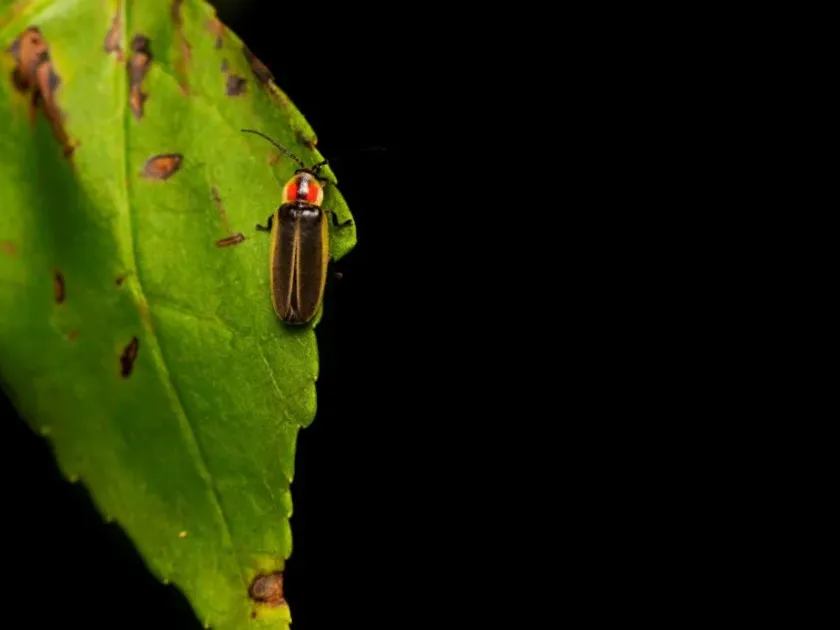
Description
How to identify
Luciola lusitanica is a species of firefly belonging to the family Lampyridae, within the order Coleoptera. Adult beetles are famous for their bioluminescence, used mainly for mating communication.
The adult male is a small, winged beetle with a dark appearance and specific yellow markings on the pronotum. Their ability to emit light makes them easy to identify at night.
The larvae are flat and elongated, designed for life in soil or leaf litter. They possess strong mandibles, which they use as predators to consume small soil invertebrates or plant tissues.
The life cycle involves complete metamorphosis, consisting of the egg, larva, pupa, and adult stages. The larval stage is the longest and most significant in terms of environmental impact.
Identification of the species is usually based on the characteristic mating patterns of the adults, while larvae are identified by their segmented, flattened morphology and nocturnal activity.
What it damages
While adult fireflies are generally considered harmless, the larvae of Luciola lusitanica can become significant pests under specific ecological conditions.
They predominantly damage the root systems of young vegetable seedlings and cereals. By feeding on roots, they deprive plants of essential nutrients and water, often causing stunting.
High infestation levels in greenhouses or moist nurseries can lead to mass seedling loss. The larvae tunnel through the soil and target the most tender parts of the root collar.
Damage symptoms include yellowing of foliage and unexpected wilting, especially on sunny days. If the plant is pulled, the root system is often found to be partially eaten or severed.
The economic impact is linked to the reduction in plant density per hectare, which directly affects the final crop yield and requires immediate preventive actions.
When it appears
Adult Luciola lusitanica are typically observed in early summer evenings, with peak activity coinciding with warm and humid weather conditions suitable for breeding.
Larval activity spans almost the entire growing season. They are particularly active during spring, following soil warming, when they seek nourishment after the winter period.
Winter dormancy is spent in the larval stage. They burrow deep into the soil or find protected sites under plant debris to survive the cold months of the year.
Autumn is another period of increased larval feeding as they accumulate reserves for the upcoming winter, potentially causing damage to late-season vegetable roots.
Regular irrigation during dry seasons can attract larvae to the rhizosphere of crops, as they prefer moist environments to thrive and hunt for food.
Signs of infestation
The most common sign of infestation is the unexplained decline of seedlings in a garden bed. The damage occurs below the soil surface, making it difficult to detect early.
Careful excavation around the base of wilting plants will often reveal the presence of dark-colored larvae. These larvae are sensitive to light and quickly attempt to burrow back.
Patchy growth in the field is a strong indicator of localized pest clusters. Plants in these spots show signs of distress that do not match nutrient deficiency patterns.
The nocturnal presence of bioluminescent adults around the field indicates a breeding population, which suggests that the next generation of larvae will likely affect the crops.
Microscopic soil tunnels or disturbed earth near the root zone can also indicate the pathway of larval movement during their search for food.
Control measures
Deep autumn tillage is a recommended cultural practice to disrupt the larval habitat, exposing them to predators and unfavorable temperature conditions during winter.
Crop rotation remains a primary strategy to prevent the buildup of Luciola lusitanica populations, as it breaks the food chain required for their long-term survival.
Maintaining optimal soil drainage is crucial. Since larvae prefer moist, undisturbed soil, improving drainage reduces the risk of infestation in greenhouse environments.
Biological control using entomopathogenic nematodes or specialized fungi can be an effective and environmentally friendly way to reduce larval numbers in the soil.
If chemical intervention is necessary, soil-applied insecticides should be used strategically and locally only after confirming the threshold of economic damage.
Taxonomy
- Latin name
- Luciola lusitanica
- Order
- Coleoptera (beetles)
- Family
- Lampyridae
- EPPO code
- LUCLLU
Discussion
No discussions yet — be the first.