
Phigalia sinuosaria
Phigalia sinuosaria
Description
How to identify
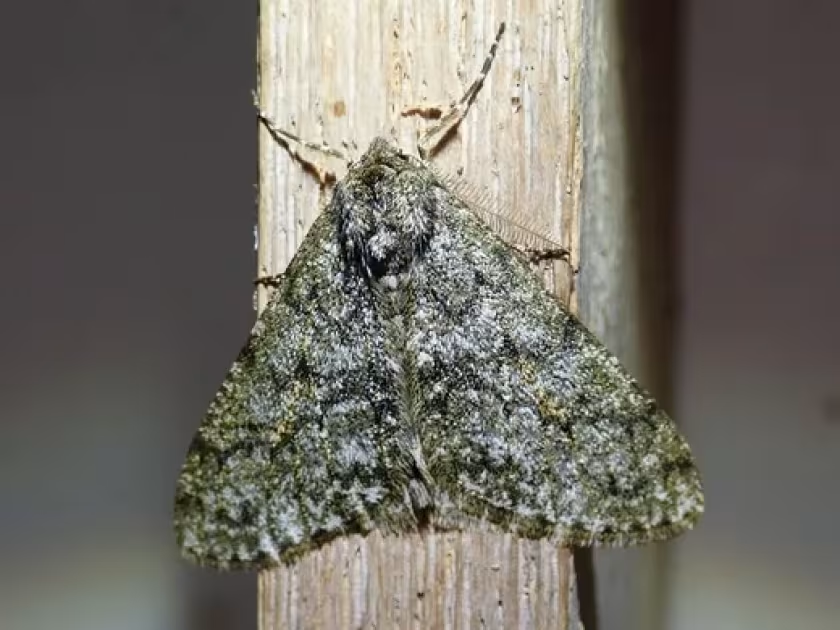
Phigalia sinuosaria is a moth species belonging to the Geometridae family, known for its distinct sexual dimorphism and cryptic appearance.
The adult males possess well-developed wings with a span of approximately 40 mm, featuring complex wavy patterns that provide excellent camouflage.
The females are completely wingless and possess a hairy body, an adaptation that allows them to climb tree trunks even in colder temperatures.
The larvae, commonly known as inchworms, have a reduced number of abdominal prolegs, forcing them to move in a distinctive looping gait.
Larval coloration is highly variable, ranging from shades of green to brown, which helps them blend seamlessly with the twigs and branches of host trees.
What it damages
This moth is a polyphagous pest that primarily affects various deciduous trees, with a strong preference for pome and stone fruit species.
Major hosts include apple, pear, and plum trees, as well as common forest trees such as oak, birch, and lime, which can suffer severe defoliation.
Young larvae often begin by consuming developing buds, causing immediate damage to potential blossoms and foliage before the leaves fully emerge.
During outbreak years, large populations of larvae can strip a tree of its entire leaf cover, leaving behind only the skeletonized midribs.
Extensive defoliation significantly stresses the trees, leading to reduced vigor, lower fruit production, and increased susceptibility to secondary pests.
When it appears
Phigalia sinuosaria is an early-season pest, with its life cycle closely synchronized with the phenology of its host plants.
Adult males typically emerge for mating in early spring, while wingless females climb trunks to deposit eggs in bark crevices before bud burst.
The species overwinters in the pupal stage, buried within the soil beneath the host tree, where it remains protected from harsh winter conditions.
Larval hatching usually coincides with the bud break phase, ensuring that the neonate larvae have immediate access to highly nutritious, tender plant tissue.
Active larval development occurs throughout April and May, after which the fully grown larvae descend to the soil to pupate for the remainder of the year.
Signs of infestation
The presence of inchworms, which often freeze in a straight posture resembling a twig when threatened, is a primary indicator of an infestation.
Irregular holes in leaves and eventually the total removal of leaf tissue, leaving only primary veins, indicate active larval feeding in the canopy.
The accumulation of larval excrement on leaves or the ground beneath the tree canopy is a clear sign that feeding is occurring above.
Observing wingless females on the bark of tree trunks during early spring is a crucial warning sign to initiate monitoring and protective measures.
Early-season failure of buds to develop properly, coupled with visible bite marks on the bud scales, often signals the onset of larval activity.
Control measures
Applying sticky adhesive bands to tree trunks in early spring is an effective method to trap wingless females and prevent them from laying eggs.
Cultivating the soil in the tree's root zone during autumn or early spring can physically destroy pupae, reducing the population for the next season.
Biological control using microbial insecticides based on Bacillus thuringiensis can be highly effective against young larvae with minimal environmental impact.
If thresholds are exceeded, targeted applications of systemic or contact insecticides during the larval feeding stage can provide necessary suppression.
Promoting a healthy garden ecosystem by encouraging birds and predatory insects will help keep the population of Phigalia sinuosaria under control naturally.
Taxonomy
- Latin name
- Phigalia sinuosaria
- Order
- Lepidoptera (butterflies)
- Family
- Geometridae
- EPPO code
- PHIGSI
Discussion
No discussions yet — be the first.