
Phasiane moth
Phasiane
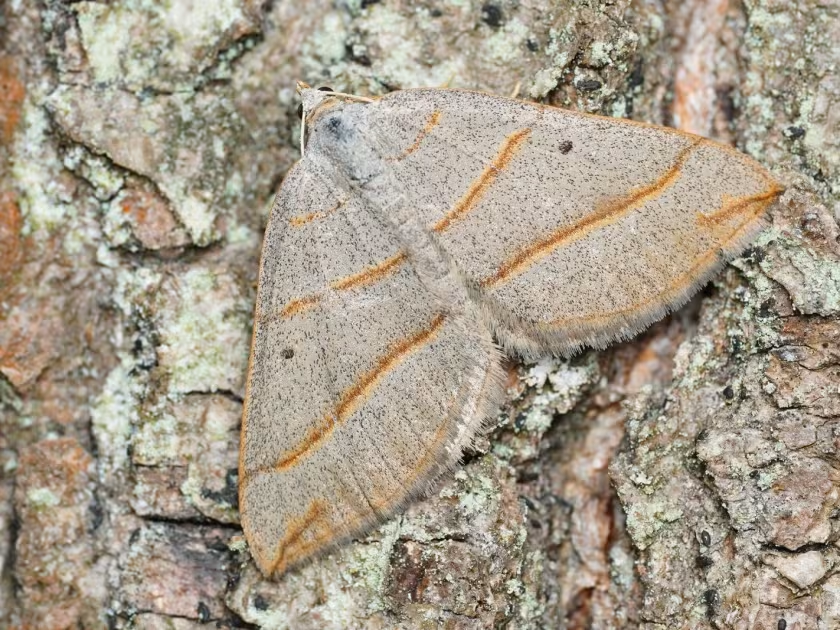
Description
How to identify
The Phasiane moth is a member of the Geometridae family, order Lepidoptera. These moths are characterized by a specific wing span and cryptic coloration, which helps them blend into tree bark or foliage.
The larvae, known as inchworms, have a distinct way of crawling by pulling their hind segments forward to meet their front ones, creating a loop-like shape.
Caterpillars usually possess green or brownish shades with subtle longitudinal stripes, providing excellent camouflage against host plant stems and leaves.
Pupae often overwinter in the soil or leaf litter, protected by a resilient exterior shell that withstands various climatic conditions.
Adult moths are primarily nocturnal, often remaining hidden during the daylight hours to avoid predators and ensure survival within the canopy.
What it damages
This pest mainly affects various woody plants and shrubs, including both ornamental trees and fruit-bearing species common in orchards.
Caterpillars consume foliage, ranging from skeletonizing leaves to completely devouring them, which significantly impacts the plant's photosynthetic capacity.
In cases of severe outbreaks, the defoliation can be complete, leading to extreme plant stress and increased susceptibility to winter damage and diseases.
Feeding on young buds and shoots during the early spring causes significant delays in growth and negatively influences the overall plant vigor.
Weakened trees, due to repeated infestation cycles, often fall prey to secondary pests and various pathogenic fungi entering through damaged tissues.
When it appears
The adult moth flight period typically starts in late spring, continuing through early summer, depending heavily on the regional climate and local weather.
Females lay eggs primarily on the underside of leaves or within crevices in tree bark, marking the beginning of the larval development stage.
The peak activity period for feeding larvae occurs during June and July, correlating with the rapid growth phase of the host plants.
After reaching maturity, larvae drop to the ground and pupate within the topsoil layer, entering diapause until the next growing season begins.
In some environmental conditions, the species may produce multiple generations per year, which significantly heightens the pest pressure on the vegetation.
Signs of infestation
Initial signs of infestation appear as small, irregular holes in leaves that enlarge as the caterpillars continue their feeding activity.
Caterpillars can be identified by careful inspection of the foliage during early morning or dusk, when they are most likely to be moving on the branches.
The presence of fine silk webbing between leaves or around branch tips is often a sign of shelter building by certain larval stages.
Accumulated frass, appearing as small black or brown pellets on leaves below the feeding site, is a reliable indicator of active caterpillar presence.
Gradual thinning of the canopy and a general reduction in plant growth rate are long-term indicators of a significant Phasiane moth infestation.
Control measures
Cultural methods include regular soil cultivation beneath the canopy, which effectively disrupts the pupae located in the ground, preventing them from emerging.
Installing sticky bands on tree trunks is a proven technique for trapping caterpillars as they migrate across the host plant.
Biological treatments, particularly those based on Bacillus thuringiensis, offer an eco-friendly way to manage larval populations without harming beneficial insects.
Chemical control with systemic or contact insecticides should be applied as a last resort when the pest population exceeds established economic thresholds.
- Timely pruning of affected branches to reduce larval reservoirs.
- Encouraging local bird populations that act as natural predators.
- Using pheromone traps for monitoring adult moth activity levels.
Taxonomy
- Latin name
- Phasiane
- Order
- Lepidoptera (butterflies)
- Family
- Geometridae
- EPPO code
- PHSISP
Discussion
No discussions yet — be the first.