
Petrusa epilepsis
Petrusa epilepsis
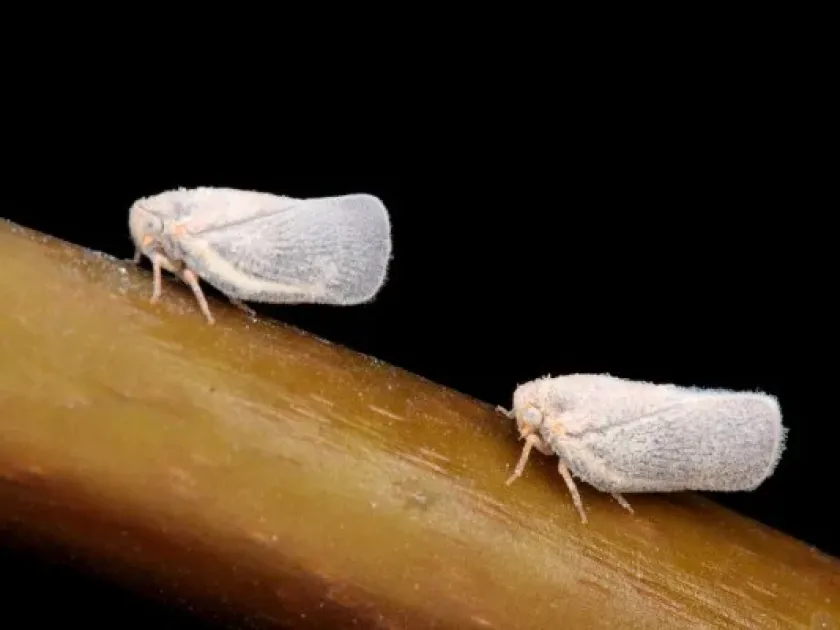
Description
How to identify
Petrusa epilepsis belongs to the order Coleoptera and the family Curculionidae (weevils). It is a cryptic pest adapted to living within the soil and feeding on the lower portions of host plants.
Adult insects possess a characteristic elongated snout (rostrum), which they use to feed on the tough tissues of plant stems. Their body color typically ranges from dark brown to black, providing effective camouflage against the soil surface.
The larvae are legless and fleshy, with a distinct dark head capsule. They lead an entirely subterranean life, which makes early detection of an infestation quite challenging for field agronomists.
The insect's life cycle is closely linked to soil temperature. Development from egg to adult goes through several larval instars, with the older larvae being the most destructive to the plant root system.
Population density can fluctuate significantly based on soil moisture levels and the availability of host plants in the previous growing season. Monitoring of adults is primarily conducted during their mass emergence in spring.
What it damages
The main hosts of Petrusa epilepsis are cereal crops, including wheat, barley, and rye. It has also been observed feeding on various wild grasses that serve as reservoirs during the off-season.
Larvae damage the root system by feeding on fine roots and severing the basal parts of the plant near the tillering node. This disrupts water and nutrient uptake, leading to reduced plant vigor and stunted growth.
Adults cause damage to the above-ground parts of the plant during early spring. They feed on the lower stem, creating holes that can lead to stem lodging when the infestation level is high.
Economic damage is manifested in reduced stand density and lowered grain yield. During peak infestation years, losses in agricultural fields can be severe if control measures are not implemented.
Damage to the root system often serves as a point of entry for secondary infections, such as root rots. Consequently, weakened plants become highly susceptible to various fungal pathogens.
Control measures
The primary control strategy involves rigorous crop rotation. It is strongly advised not to plant susceptible cereal crops in fields that previously contained stubble, as this increases the risk of soil-borne larval infestation.
Agronomic practices should include deep autumn plowing with soil inversion, which brings larvae to the surface, exposing them to freezing temperatures or natural predators.
The use of insecticidal seed treatments is highly effective in protecting seedlings during the early stages of development. This approach significantly reduces initial pressure from larval feeding.
Pheromone traps are used to monitor adult population levels, assisting in the timely decision-making process for foliar insecticide applications when necessary.
- Efficient control of grassy weeds within and around fields.
- Inter-row cultivation to disturb the life cycle of the pest.
- Balanced application of fertilizers to promote rapid recovery of damaged plants.
Taxonomy
- Latin name
- Petrusa epilepsis
- Order
- Hemiptera (bugs, aphids, leafhoppers)
- Family
- Flatidae
- EPPO code
- ORMEMA
Discussion
No discussions yet — be the first.