
Dworena
Dworena
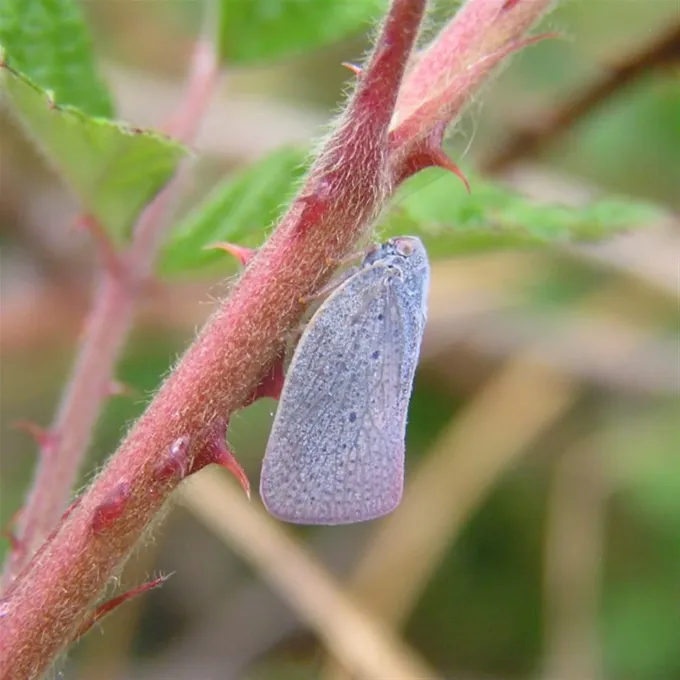
Description
How to identify
Dworena is a genus of insects belonging to the order Lepidoptera, specifically within the Noctuidae family. The adult moths share the typical morphological characteristics of the family, with wingspans that generally fall within the average range for the subfamily.
The forewings of the adults are colored in camouflage tones, usually shades of gray, brown, or tan, which allow them to remain effectively concealed on soil surfaces or plant stems during the daylight hours. The hindwings are often lighter in color, a feature that becomes visible only during flight.
The larvae, or caterpillars, of this genus possess the classic structure typical of noctuid larvae: a cylindrical body with a well-developed head capsule and three pairs of true legs along with prolegs. The coloration of the larvae can fluctuate based on their instar stage and nutritional environment, ranging from earthy gray to greenish hues.
Accurate species identification usually requires a specialized examination of the male genitalia. In field conditions, identification is often complicated by significant variations in wing patterning and coloration within the same population.
The larval body surface is often sparsely covered in fine hairs, and dorsal patterns, such as spots or longitudinal stripes, are common, serving as primary morphological markers during early field diagnosis.
What it damages
This pest is classified as a polyphage, meaning its larvae are capable of feeding on a wide variety of cultivated crops and wild plants. The most significant damage occurs during the period of rapid vegetative growth.
Primary damage is observed in cereal crops and certain industrial plants. The larvae are capable of feeding on both the aerial parts of the stems and the root zone, which is particularly destructive for young seedlings.
In conditions with high population density, the pest can completely decimate seedlings across large field areas. The tissue damage caused by feeding often provides entry points for secondary fungal and bacterial infections.
Early-instar larvae are particularly dangerous because they may skeletonize leaves, while older instars are capable of completely severing stems at the base, leading to lodging and the total death of the affected plant.
Beyond main agricultural crops, the pest frequently utilizes weeds in surrounding areas as an alternative food source, creating persistent reservoirs that facilitate future infestations.
When it appears
The life cycle of the pest is closely synchronized with regional climatic conditions, which dictate the timing of adult flight and oviposition. The first generation typically emerges in late spring, as soon as average daily temperatures surpass the developmental threshold.
Peak larval activity occurs during the early summer months, coinciding with intense feeding behavior. Depending on the geographical latitude, the pest can complete one or two generations per season.
The overwintering stage usually occurs in the pupal form, located in the soil at a depth of 10-15 centimeters. This position protects the insects from severe winter temperatures and ensures population survival.
Adult moths are primarily active at dusk and during the night, which makes visual counting challenging. During the day, the moths hide in dense vegetation, under soil clods, or in other secluded locations.
Adult emergence is often staggered over a long period, leading to a population consisting of individuals at different developmental stages, which complicates the timing of pest control applications.
Signs of infestation
The first sign of an infestation is the presence of irregular feeding patterns or holes on the leaves. When inspecting the underside of the foliage, one can often find egg clusters deposited by the females.
A second significant indicator is the presence of frass (larval excrement) on the soil surface under the plants or trapped in leaf axils. The presence of these droppings is a clear indicator of active feeding activity.
When the root zone is damaged, plants begin to wilt, lose turgor pressure, and gradually turn yellow. Examining the base of the stem often reveals physical damage or complete severance of the stem tissue.
The detection of adult moths in light traps during the night serves as a reliable signal that the flight period has commenced and that field monitoring for egg masses should begin immediately.
The use of pheromone traps allows for precise tracking of adult population dynamics, enabling farmers to make informed decisions regarding the commencement of protective measures.
Control measures
A robust protection system must be integrated, combining agrotechnical, biological, and chemical methods. The cornerstone of effective management is strict adherence to crop rotation.
- Deep autumn plowing helps destroy a significant portion of overwintering pupae by exposing them to predators and freezing temperatures.
- The elimination of weeds along field margins removes the alternative food sources that sustain the pest during the off-season.
- The use of systemic and contact-stomach insecticides is most effective during the period of mass larval hatching.
- Application of biological agents, such as entomopathogenic fungi or bacteria, is highly effective during the early larval instar stages.
- Continuous monitoring using light and pheromone traps ensures that spraying occurs at the most vulnerable point in the pest's life cycle.
Chemical applications should be performed during evening hours when the larvae are most active on the plant surface. Rotating pesticides from different chemical classes is essential to prevent the development of insecticide resistance.
The effectiveness of control measures should be verified 3–5 days after application by assessing the density of remaining larvae within standardized sampling plots.
Taxonomy
- Latin name
- Dworena
- Order
- Hemiptera (bugs, aphids, leafhoppers)
- Family
- Flatidae
- EPPO code
- DWORSP
Discussion
No discussions yet — be the first.