
Anzora unicolor
Anzora unicolor
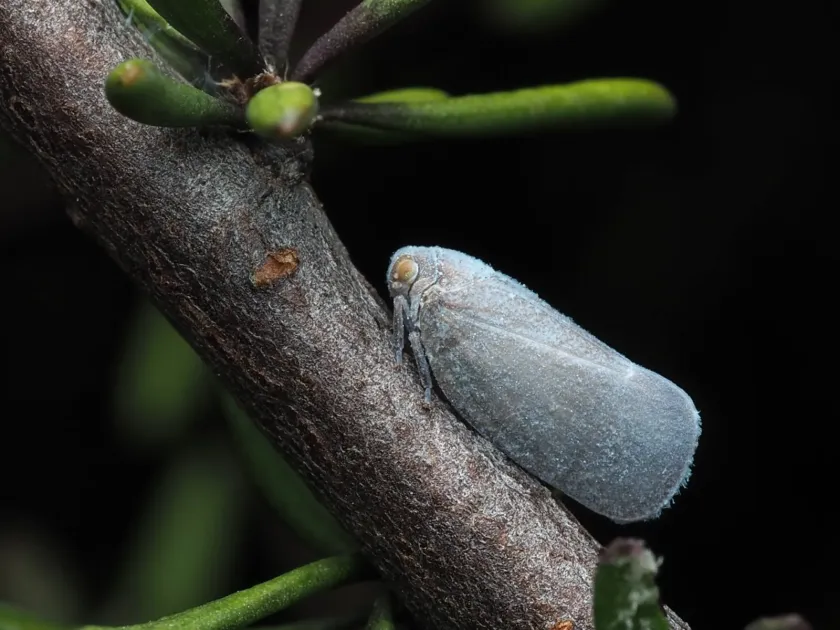
Description
How to identify
Anzora unicolor is a species of moth belonging to the family Pyralidae. It is recognized as a pest in various agricultural systems, particularly affecting legumes.
The adult moth exhibits a subtle, uniform coloration, typically ranging from light grey to brownish tones, which helps it blend in with its environment.
The larval stage, commonly known as a caterpillar, possesses a strong chewing mouthpart designed for feeding on plant tissues throughout its development.
The life cycle follows a complete metamorphosis: egg, larva, pupa, and adult. The duration of each stage is highly dependent on ambient temperatures and environmental conditions.
Due to their cryptic behavior, identifying these pests in the field can be challenging, as they often hide inside plant structures or within spun silk webs.
What it damages
This pest is known to cause significant damage to agricultural crops, specifically targeting the reproductive organs of host plants.
The larvae feed primarily on buds, flowers, and developing seeds, burrowing into the pods and consuming the interior, which leads to substantial crop loss.
Damaged seeds are often destroyed or compromised, making them unsuitable for harvest, consumption, or as high-quality planting material for the next season.
Wounds created by the larvae provide easy access for secondary pathogens, such as fungi and bacteria, further degrading the health and yield of the crop.
If left unmanaged, the population can grow rapidly, leading to widespread infestation and severe economic impact on the affected field.
When it appears
Adult moths emerge in late spring or early summer, synchronized with the onset of favorable temperatures and the availability of suitable host plants.
The most critical window for crop protection is the flowering and pod-filling stage, during which larvae cause the most direct and severe damage to potential yield.
The species may complete multiple generations within a single growing season, depending on the climate and the duration of the favorable weather period.
Environmental factors such as humidity and rainfall play a major role in the survival rate of the pupae and the activity levels of the adult population.
The pest typically survives the winter in the pupal stage, hidden within the soil or in plant debris until the conditions are right for spring emergence.
Signs of infestation
The presence of fine webbing covering flower clusters or terminal growth is a primary indicator of larval activity within the crop canopy.
Small, visible entry holes on the pods indicate where caterpillars have bored inside to feed on the seeds developing within the pod chamber.
Inside infested pods, one can observe larval frass (excrement) mixed with webbing and remnants of destroyed seeds, signaling active feeding damage.
Affected plants often show stunted pod development, wilting, or premature drying due to the internal disruption caused by the larvae.
Adult moths are nocturnal and rarely seen during the day, so monitoring should focus on searching for larvae and secondary damage symptoms.
Control measures
Effective management requires a multi-faceted approach, emphasizing prevention and early detection to minimize the reliance on chemical treatments.
Deep tillage after the harvest is an essential cultural practice to disrupt the soil, exposing hibernating pupae to natural predators and harsh conditions.
Crop rotation helps break the life cycle of the moth by ensuring that host plants are not available in the same area for consecutive growing seasons.
When the economic threshold of the pest population is exceeded, timely application of targeted insecticides is necessary to protect the remaining yield.
- Utilizing pheromone traps for early population monitoring.
- Removing weeds that may serve as alternative hosts for the larvae.
- Employing biological control agents to manage population density naturally.
Taxonomy
- Latin name
- Anzora unicolor
- Order
- Hemiptera (bugs, aphids, leafhoppers)
- Family
- Flatidae
- EPPO code
- ANZOUN
Discussion
No discussions yet — be the first.