
Anzora
Anzora
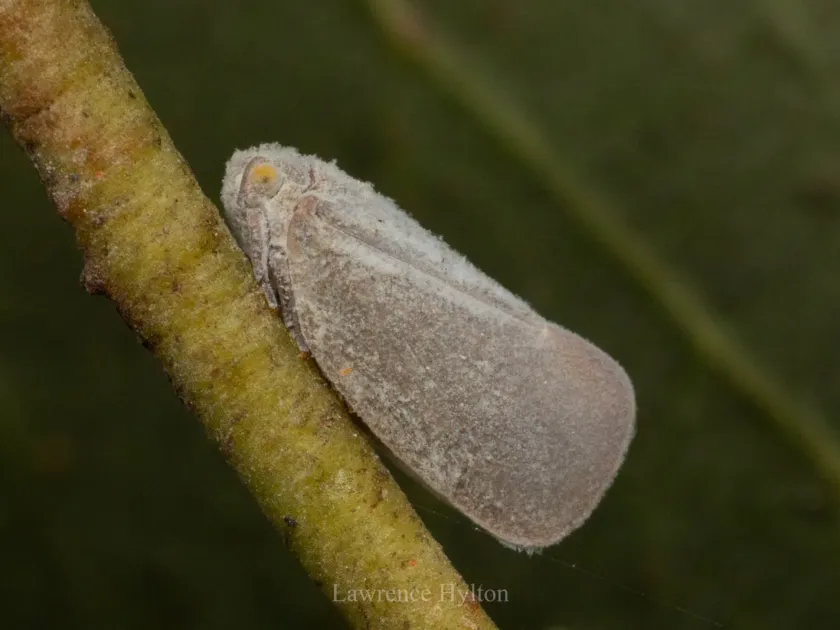
Description
How to identify
Anzora (lat. Anzora) belongs to the family Pyralidae, order Lepidoptera. These insects possess specific morphological features characteristic of small to medium-sized snout moths, whose larvae often lead a concealed lifestyle.
Adult individuals have a wingspan of approximately 20–25 mm. The wing color usually varies from grayish-brown to ochre shades with transverse bands, which helps them effectively camouflage on tree bark or leaf surfaces.
The biology of the species is closely linked to the presence of specific host plants. During its development, the insect undergoes a complete metamorphosis: egg, larva (caterpillar), pupa, and adult.
Caterpillars have a typical structure for the family: a cylindrical body with a clearly defined head capsule and developed thoracic legs, allowing them to actively move along the plant.
Identification of adults in field conditions is often difficult due to their nocturnal lifestyle, which is why agronomists use light traps and pheromone traps for population monitoring.
What it damages
Anzora is a serious pest of many agricultural crops, preferring plants of specific families, including certain fruit trees and shrubs.
The damage is mainly caused by caterpillars feeding on plant tissues, which leads to a weakened immune system of the crop and a reduction in the total harvest yield.
The most significant damage occurs during periods of active vegetation, when larvae attack both the foliage and the reproductive organs of plants.
During mass outbreaks, the pest can cause premature shedding of fruit sets, which critically affects the productivity of plantations in the current season.
Indirect damage consists of creating entry points for fungal and bacterial infections through the sites of tissue damage caused by the caterpillars.
When it appears
The development cycle of Anzora directly depends on the temperature regime of the environment and air humidity, determining the number of generations per year.
The first adults begin to fly in late spring or early summer, when stable positive temperatures are established, which are necessary for egg-laying.
Oviposition usually occurs on the underside of leaves or in branch axils, which ensures the concealment of future offspring.
The caterpillar feeding period covers the hottest summer months, during which the maximum intensity of damage to agricultural lands is observed.
Pests usually overwinter in the pupal stage within dense cocoons hidden in bark crevices, plant debris, or the topsoil layer.
Signs of infestation
The first noticeable sign of infestation is the presence of webbed nests, inside which larvae of early instars may be located.
Leaves of damaged plants often curl or acquire a skeletonized appearance due to the activity of caterpillars eating the parenchyma.
The presence of frass in damaged areas and on the leaf surface is a reliable indicator of the presence of active pest individuals.
Deformation of young shoots and atypical changes in leaf blade color often indicate deep damage caused by the larvae.
- Curling of leaves with webbing.
- Presence of holes in the leaf blade.
- Damage to reproductive organs (buds, fruit sets).
- Accumulation of frass on leaves.
- Wilting of individual branches in case of severe infestation.
Control measures
Agrotechnical methods include regular cleaning of the orchard or field from plant debris, which serves as a potential overwintering site for pupae.
An effective control method is the manual removal of curled leaves and webbed nests, along with the caterpillars residing inside them.
Biological preparations based on bacteria (e.g., Bacillus thuringiensis) show high efficacy against early-instar larvae without harming beneficial insects.
Chemical protection requires strict adherence to treatment schedules: insecticide spraying must be carried out before the caterpillars bore into plant tissues.
An integrated pest management system involves combining monitoring using traps with targeted application of authorized pesticides during periods of the pest's greatest vulnerability.
Taxonomy
- Latin name
- Anzora
- Order
- Hemiptera (bugs, aphids, leafhoppers)
- Family
- Flatidae
- EPPO code
- ANZOSP
Discussion
No discussions yet — be the first.