
Petrusa
Petrusa
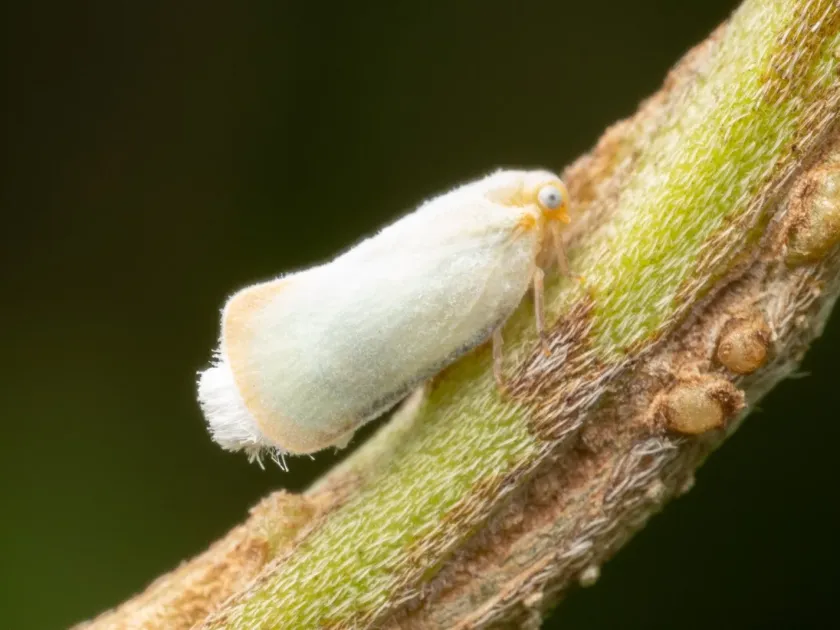
Description
How to identify
Petrusa is a genus of insects belonging to the Cicadellidae family, commonly known as leafhoppers, which can pose a significant challenge in agricultural settings.
Adult insects typically feature an elongated body structure and natural camouflage colors, allowing them to blend seamlessly with the foliage of host plants.
They possess a specialized piercing-sucking mouthpart designed to penetrate plant epidermis and extract vital cell sap from the leaves and stems.
Measuring between 3 and 6 mm in length, these insects are often difficult to detect during the early stages of a population outbreak.
The coloration of these species ranges from pale green to brownish tones, providing an excellent defense against predators on the underside of leaves.
What it damages
Petrusa species specialize in attacking a wide variety of agricultural crops, including vegetables, fruit trees, and various technical plant species.
The primary damage occurs when these insects feed on sap, which severely depletes the plant's nutrient reserves and hampers its overall development.
In addition to direct feeding damage, they are notorious for being vectors of various viral and phytoplasma diseases that affect plant vascular systems.
Such infections often cause systemic weakness, reduced fruit production, and, in severe cases, the complete death of the infested plant.
Visible stress symptoms often include chlorosis and leaf wilting, which significantly diminish the plant's capacity for efficient photosynthesis.
When it appears
The life cycle commences in the spring, with nymphs hatching from overwintered eggs as soon as environmental temperatures reach favorable levels.
The peak activity of adults usually occurs during the warm months of June and July, when conditions are ideal for rapid reproduction cycles.
Multiple generations can develop throughout a single growing season, necessitating consistent monitoring to prevent widespread infestation.
As autumn approaches, population levels begin to decline as the insects prepare for dormancy in protected areas or within weed debris.
Overwintering is typically achieved through eggs deposited deep within plant tissues or the soil, ensuring the species' survival through harsh winter climates.
Signs of infestation
Early symptoms of an infestation include tiny, light-colored spots on the upper leaf surface, created by the insect's feeding punctures.
Large infestations lead to curling, yellowing, and premature leaf drop, which can significantly damage the plant's health and structural integrity.
A sticky residue, often called honeydew, may accumulate on the leaves, subsequently attracting sooty mold and further stressing the plant.
Stunted growth and distorted young shoots are classic indicators that the plant is suffering from the pressure of a piercing-sucking pest population.
- Chlorotic spotting and leaf mottling.
- Curling and deformation of leaves.
- Visible insect activity on the leaf underside.
Control measures
Effective management begins with robust agronomic practices, such as the consistent removal of weeds that act as alternative hosts for the pest.
The strategic application of systemic insecticides during the nymph hatching phase is crucial for curbing population spikes early in the season.
Using yellow sticky traps is a reliable monitoring technique that helps growers track population density and determine the best timing for interventions.
Maintaining a diverse crop rotation cycle limits the available food supply, preventing the buildup of large pest colonies in the field.
Biological control strategies, such as promoting natural predators and entomophagous insects, provide a sustainable way to keep infestations in check.
Taxonomy
- Latin name
- Petrusa
- Order
- Hemiptera (bugs, aphids, leafhoppers)
- Family
- Flatidae
- EPPO code
- PTRUSP
Discussion
No discussions yet — be the first.