
Perixera illepidaria
Perixera illepidaria
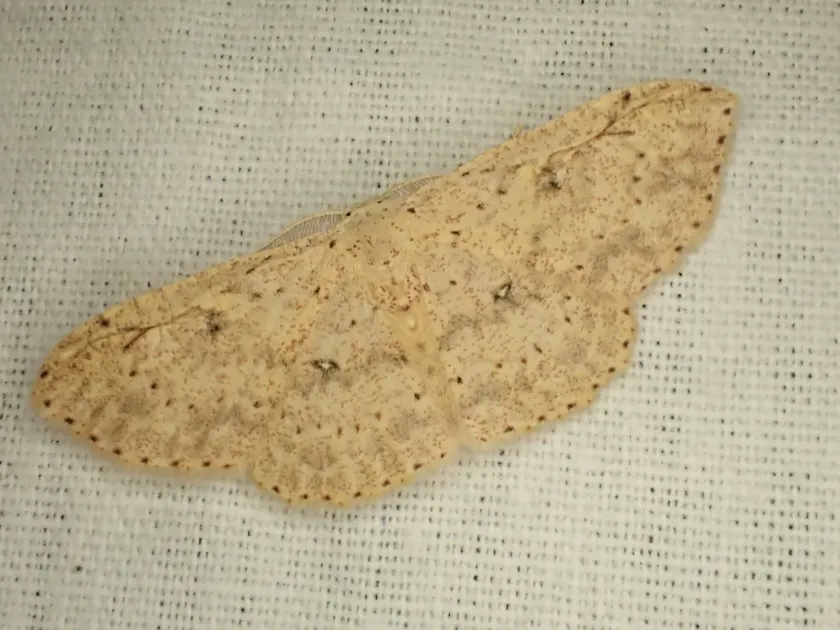
Description
How to identify
Perixera illepidaria is a species of moth belonging to the family Geometridae. These insects are well-known in the agricultural community for the unique locomotion of their larvae, often referred to as "inchworms."
Adult moths are typically nocturnal and possess camouflage coloration that helps them blend into tree bark, leaf litter, or natural surroundings, making them difficult to spot during daylight hours.
The larvae are characterized by their segmented bodies and reduced prolegs, which require them to loop their bodies when moving. Their appearance often mimics twigs or petioles of their host plants.
The biological cycle consists of four distinct stages: egg, larva, pupa, and adult. Each stage is adapted to specific environmental conditions, which dictates the distribution and population density of the species.
Accurate identification of the species relies on examining the wing pattern and, in more technical assessments, the genitalia structure of the adult moth, as many geometrids share similar external features.
What it damages
The primary damage is caused by the larval stage, which feeds on the foliage of host plants. This consumption of green matter reduces the plant's ability to perform photosynthesis effectively.
Young shoots are particularly vulnerable, and heavy infestations can lead to significant defoliation. This process stresses the plant, reducing its vigor and its ability to withstand environmental stressors like drought or winter cold.
In nurseries and orchards, this pest can cause permanent damage to the aesthetic or physical structure of trees by eating apical buds and young leaves, potentially ruining the crop's market value.
Feeding wounds created by the larvae provide entry points for secondary infections, including various fungal and bacterial pathogens that can further compromise plant health.
Economic losses are cumulative, starting from the reduction in yearly biomass production to long-term issues like stunted tree growth and decreased reproductive output in affected species.
When it appears
Adult moth activity is highly dependent on temperature, with peak flight and mating periods typically occurring in the warmer months when nocturnal temperatures remain above a certain threshold.
Larval development is synchronized with the flush of new growth on host plants. This ensures that the insects have access to high-quality nutrition during their most active growth phase.
The species usually overwinters in the pupal stage, buried in the soil or protected within leaf litter, allowing it to survive the dormancy period of the vegetation.
Spring emergence is triggered by warming soil temperatures, leading to the hatching of larvae just as buds begin to burst, which provides immediate food for the newly emerged pests.
Multiple generations may occur in regions with long, favorable growing seasons, potentially leading to overlapping cycles and continuous pressure on the agricultural crops throughout the summer.
Signs of infestation
Typical signs of infestation include irregular holes in the leaves or leaves that appear skeletonized, where the tissue between the veins has been consumed by the larvae.
Droppings or frass found on the leaves or the ground beneath the canopy are clear indicators that larvae are feeding in the upper parts of the plant, even if they remain hidden.
Silk webbing used to tie leaves together or to provide a retreat during the day is a common behavior for many geometrid larvae, serving as a protective structure against predators.
Wilting of terminal shoots or localized yellowing of leaves often indicates deep damage to the vascular system of the young stems, requiring a closer inspection of the plant architecture.
The presence of pupal casings on tree bark or in the immediate vicinity is a sign of a completed life cycle stage and suggests that a new generation of adults may soon be active.
Control measures
Cultural practices, such as clearing leaf litter and tilling the soil around host plants in late autumn or early spring, are effective in destroying pupae and breaking the pest's cycle.
Biological control using microbial insecticides, specifically those containing Bacillus thuringiensis, is highly effective against larvae while remaining safe for beneficial insects and pollinators.
Monitoring programs using pheromone or light traps help determine the exact timing for intervention, ensuring that any necessary chemical applications are applied at the most vulnerable stage.
Chemical control should be used as a last resort, focusing on targeted applications when larval populations exceed established economic thresholds to prevent widespread crop damage.
- Regular pruning to remove infested branches and twigs.
- Encouraging natural predators such as birds and parasitic wasps.
- Implementing sticky bands on tree trunks to monitor larval movement.
Taxonomy
- Latin name
- Perixera illepidaria
- Order
- Lepidoptera (butterflies)
- Family
- Geometridae
- EPPO code
- PERXIL
Discussion
No discussions yet — be the first.