
Perixera moth
Perixera
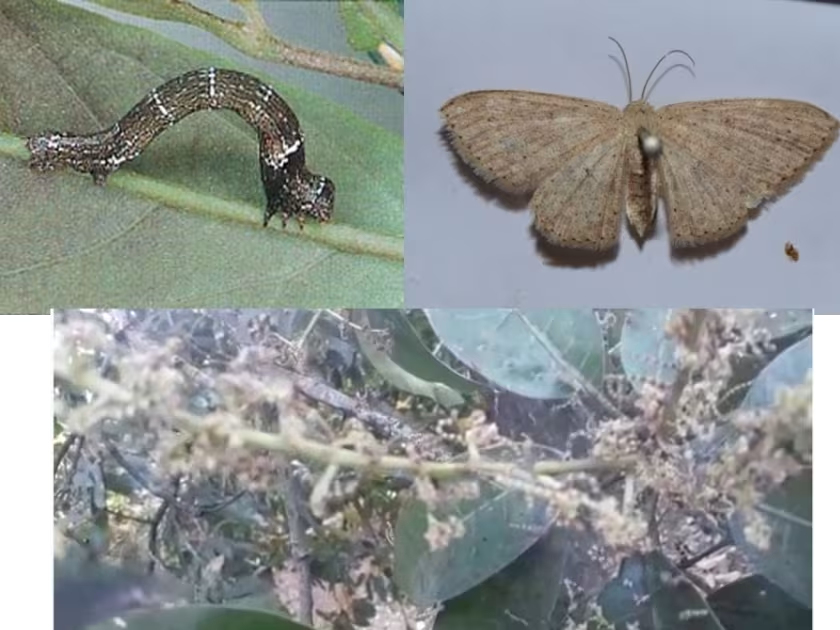
Description
How to identify
The Perixera moth belongs to the Geometridae family, an order of Lepidoptera. These moths are characterized by their slender bodies and wide, delicate wings, often displaying cryptic coloration.
The larvae, commonly known as loopers, move by pulling their hind legs toward their thoracic legs, creating a distinctive looping motion that gives the family its name.
Their skin texture and color are specifically evolved to mimic plant stems and foliage, providing excellent camouflage against predators and human observers.
The lifecycle follows complete metamorphosis, progressing through egg, larval, pupal, and adult stages, with environmental temperatures heavily influencing their development rate.
Pupation typically occurs in the soil or within sheltered areas of the host plant, such as rolled leaves, protecting the pupa during critical growth phases.
What it damages
These pests primarily affect ornamental shrubs and various herbaceous plants by feeding on soft tissues, including leaves and tender young shoots.
Early-stage larvae often perform skeletonization, leaving only the veins of the leaves, while larger larvae consume entire leaf segments.
Heavy infestations can lead to significant defoliation, which severely reduces the plant's photosynthetic capacity and weakens its overall systemic health.
Damaged growing points may result in stunted growth, distorted foliage, and reduced aesthetic appeal in horticultural and landscape settings.
Furthermore, the physical wounds created by larval feeding act as entry points for secondary bacterial and fungal pathogens, further complicating plant recovery.
Signs of infestation
One of the first signs of Perixera presence is the appearance of irregular holes in the foliage, often found along the edges of the leaves.
Frass, which appears as small dark pellets on the leaves or the ground beneath the plant, is a clear indicator that feeding is currently occurring.
The presence of fine webbing, used by larvae to pull leaves together or secure their position, is another common diagnostic indicator of an active infestation.
Visually identifying the caterpillars is easier during early morning or late evening when they are actively feeding and less prone to mimicking twigs.
A noticeable decline in plant vigor, often accompanied by the yellowing of damaged leaves, can suggest a prolonged infestation that requires immediate attention.
Control measures
Integrated pest management starts with consistent monitoring of host plants, especially during the peak emergence periods of the larvae.
Mechanical control, such as manually picking off larvae from leaves, is highly effective for smaller gardens and prevents the need for chemical intervention.
Biological control using microbial insecticides based on Bacillus thuringiensis provides excellent results by targeting the larvae while preserving beneficial insects.
Cultural practices, including autumn soil cultivation, help to disrupt the pupal stage, effectively reducing the population size for the following season.
Chemical control should be reserved for severe outbreaks, utilizing products that minimize harm to pollinators and maintain the balance of the local ecosystem.
Taxonomy
- Latin name
- Perixera
- Order
- Lepidoptera (butterflies)
- Family
- Geometridae
- EPPO code
- PERXSP
Discussion
No discussions yet — be the first.