
Peritrechus
Peritrechus
Description
How to identify
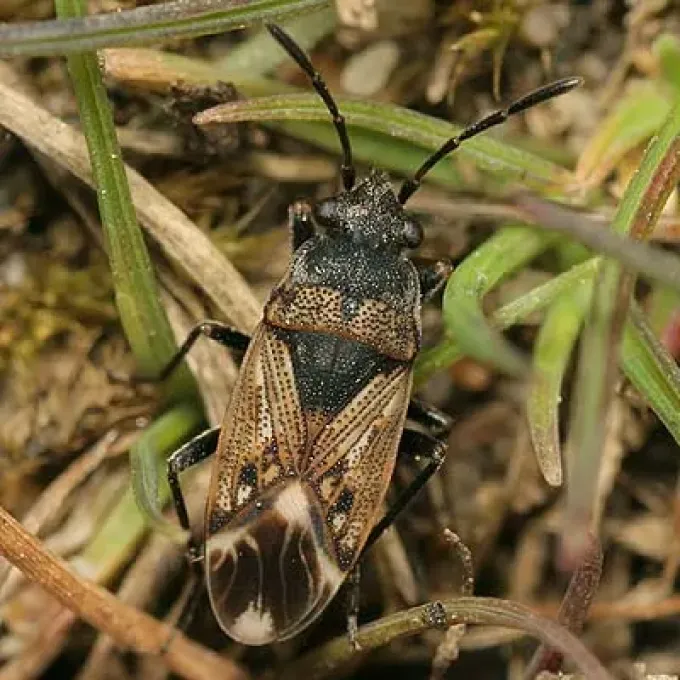
Peritrechus is a genus of insects in the Rhyparochromidae family, which belongs to the order Hemiptera. These ground bugs are generally small, measuring between 4 and 6 millimeters in length, and are characterized by their dark brown to black coloration, often featuring distinctive pale or yellowish markings on their hemelytra.
The body structure is elongated, typical for ground-dwelling bugs, with a well-developed head and prominent compound eyes. These insects are cryptic, meaning they are adapted to blend into their environment, making them difficult to spot during routine field surveys.
The life cycle of these pests involves egg, five nymphal instars, and adult stages. Nymphs closely resemble the adults but are wingless and smaller, often found dwelling in the leaf litter or near the base of crop plants.
Reproduction typically occurs in spring. Females lay their eggs in the soil or among decaying organic matter, which provides moisture and protection for the developing nymphs during their early life stages.
Adults overwinter in protected areas such as soil crevices, debris, or under stones. This ability to hibernate allows them to survive cold winter temperatures and emerge as soon as the spring weather warms up.
What it damages
These bugs primarily feed on the seeds and young shoots of various plants, including cereals and other grasses. By using their piercing-sucking mouthparts, they puncture the seed coat to extract essential plant nutrients.
The feeding process involves the injection of salivary enzymes into the plant tissue to liquefy the contents before ingestion. This process leads to the shriveling of the seed and the depletion of energy reserves needed for germination.
Significant damage occurs when the pest population density is high, especially during the early growth stages of crops. Attacked seedlings may become stunted, wilted, or fail to establish themselves properly in the field.
The punctures left by these bugs create entry points for secondary pathogens, including various types of fungi and bacteria. These infections often cause more severe damage than the initial feeding injury itself.
Yield loss is particularly notable in years with dry conditions, as plants are already under water stress and cannot recover quickly from the additional damage caused by the bugs' feeding activity.
When it appears
Active life for Peritrechus begins in early spring as ground temperatures increase. They quickly move from their overwintering sites to nearby green vegetation to begin feeding and mating.
The summer season is usually when the nymphs are most active and visible. This is the peak time for damage as the growing season provides a rich food source, leading to potentially rapid population growth.
Depending on local climatic conditions and host availability, these insects can complete one or more generations throughout the growing season, which extends the period of potential risk for crops.
By autumn, as temperatures start to drop, the adults begin their migration toward hibernation sites. They become less active as they prepare for the metabolic slowdown required for winter survival.
Predicting the severity of infestation depends heavily on weather patterns; for instance, dry spring weather often correlates with higher pest pressure, while heavy rainfall can disrupt their reproductive cycle.
Signs of infestation
The presence of these pests is often indicated by patches of weak, yellowing, or stunted plants scattered throughout the field. These areas usually indicate where the bug population has concentrated.
When inspecting individual seeds or seedlings, you may find tiny, dark circular spots. These are the marks left by the bugs' stylets, which often remain visible on the exterior of the plant or seed surface.
During the early morning, bugs can often be found at the base of plants or resting under the lower leaves, seeking shelter from the rising sun and potential predators.
A high rate of non-viable seeds or low germination rates in post-harvest samples is another indicator of significant bug activity during the seed filling and maturation stages.
- Stunted plant growth in early developmental stages.
- Dark puncture marks on seed surfaces.
- Localized wilting and chlorosis of leaves.
- Reduced crop stands and yield loss.
- Increased incidence of mold or rot on damaged seeds.
Control measures
Deep plowing or mechanical tillage is one of the most effective methods to disrupt the bugs' overwintering sites and bury the pests, significantly reducing their population size before the next planting season.
Weed management plays a crucial role in pest suppression. Many species of weeds act as host plants that sustain bug populations when primary crops are not available; therefore, keeping fields and edges clean is essential.
Practicing crop rotation prevents the buildup of pest populations that often occurs when the same host crop is grown consecutively in the same field, thereby breaking the insects' reproductive cycle.
If population levels exceed the economic threshold, targeted insecticide applications may be necessary. Using systemic insecticides can provide long-term protection, especially for young seedlings.
Regular monitoring through visual scouting or using sticky traps allows for timely intervention, ensuring that control measures are implemented only when necessary, which supports sustainable farming practices.
Taxonomy
- Latin name
- Peritrechus
- Order
- Hemiptera (bugs, aphids, leafhoppers)
- Family
- Lygaeidae
- EPPO code
- PRCSSP
Discussion
No discussions yet — be the first.