
Turkestan cockroach
Periplaneta lateralis
Description
How to identify
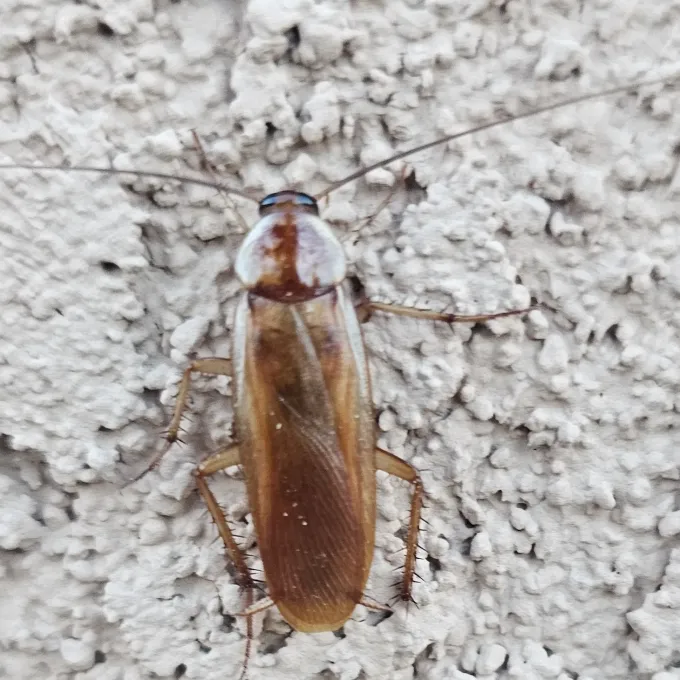
The Turkestan cockroach (Shelfordella lateralis, formerly Periplaneta lateralis) is a member of the order Blattodea, family Ectobiidae. Adults are typically 20–30 mm long with a distinct reddish-brown color.
Males of this species have functional wings and are capable of short-distance flight, whereas females have reduced, non-functional wings and spend most of their time on the ground.
The biology of this species is adapted to arid climates, where they utilize crevices in soil, debris, and rocks as their primary shelters.
Their lifecycle consists of the egg, nymph, and adult stages. The female deposits an ootheca (egg case) in substrate, from which nymphs hatch and eventually mature through several molts.
They thrive in temperatures between +25°C and +30°C, and their rapid reproductive rate allows for significant population growth under favorable conditions.
What it damages
While often utilized as a feeder insect in captivity, in agriculture, the Turkestan cockroach acts as a pest of stored grain and vegetable produce. They are omnivorous and consume various plant tissues.
Significant damage occurs through the contamination of crops with excrement and secretions, which promotes the growth of mold and reduces overall product quality.
In greenhouse environments, they may feed on seedlings and seeds, destroying soft plant tissue and making the crops susceptible to secondary pathogen infections.
High population densities lead to the destruction of organic mulch, impacting soil health and nutrient balance within the cultivation area.
These insects also damage protective packaging, which provides entry points for other stored-product pests to colonize the stored agricultural inventory.
Signs of infestation
The presence of dark-colored fecal pellets in storage areas is a primary sign of infestation.
Finding empty egg cases (oothecae) hidden in wall crevices or under storage containers confirms that an active population is present.
Visible feeding damage on seeds or plant stems indicates the presence of nymphs or adult cockroaches.
A strong, characteristic odor produced by the glands of high-density populations serves as an indicator of a severe infestation.
Nighttime observation using a flashlight is the most effective way to detect these insects, as they are primarily nocturnal creatures.
Control measures
The most important control measure is maintaining high sanitary standards in storage facilities to deny the insects suitable environments for breeding.
Sealing gaps and cracks in floors and walls is essential to eliminate harborages and prevent the establishment of colonies.
Application of insecticide barriers containing pyrethroids is highly effective in managing the population by creating defensive zones.
Sticky traps should be used for ongoing population monitoring and as a means of reducing the numbers of active insects.
- Reduce humidity levels in storage areas through proper ventilation.
- Clear away all plant debris and organic waste from the facility perimeter.
- Use biological control agents where chemical pesticides are restricted.
Taxonomy
- Latin name
- Periplaneta lateralis
- Family
- Blattidae
- EPPO code
- BLATLA
Discussion
No discussions yet — be the first.