
Cutilia
Cutilia
Description
How to identify
Cutilia is a genus of insects belonging to the order Blattodea and the family Blattidae. While often associated with general indoor environments, these insects can become significant pests in agricultural settings, particularly in greenhouse operations and storage facilities.
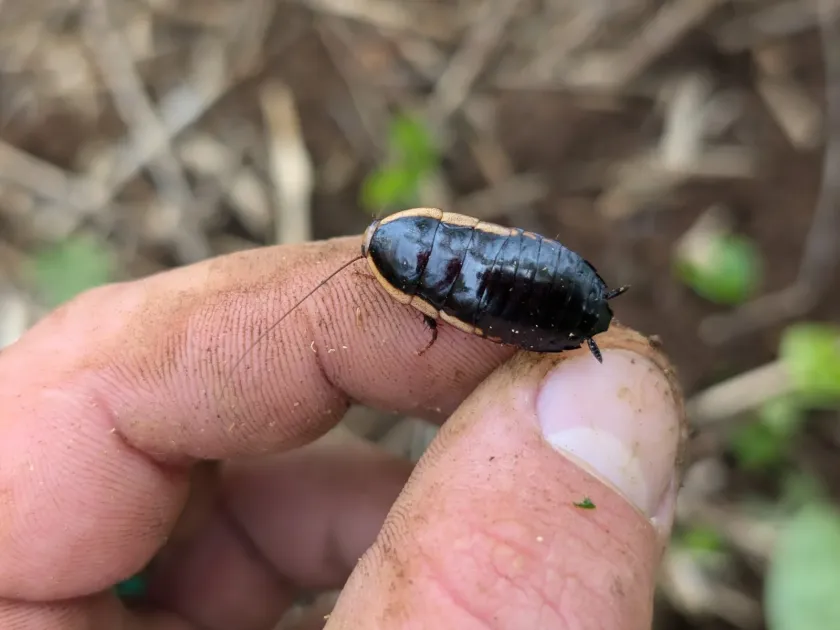
The adult form of Cutilia typically features a flattened, oval-shaped body, which allows them to hide in narrow crevices. Their coloration ranges from dark brown to black, often with a slight sheen on their chitinous exoskeleton.
The head is largely concealed beneath a broad, plate-like pronotum, a common morphological trait among members of this family. They possess long, filiform antennae, which act as highly sensitive tools for navigation and locating food sources in low-light conditions.
Equipped with biting mouthparts, these insects are capable of consuming both decaying matter and fresh plant tissue. The nymphs resemble miniature versions of adults but lack functional wings, and they undergo several molts before reaching maturity.
Reproduction is facilitated by the production of oothecae, or egg cases, which serve as protective capsules for their developing embryos. This reproductive strategy ensures high survival rates even in fluctuating environmental conditions.
What it damages
Cutilia pests are known for their polyphagous behavior, meaning they feed on a wide variety of plant species. In agricultural environments, they cause damage by consuming leaves, succulent stems, and seedling roots, significantly hindering plant growth.
The primary damage occurs in greenhouses where high humidity and temperature favor the pest's development. Feeding on the growing points of seedlings can lead to stunted growth or total plant failure, creating secondary entry points for fungal pathogens.
Aside from direct consumption, these insects contaminate plants with their excrement and secretions. This creates an unsightly appearance and promotes the growth of mold, rendering the crops unsuitable for market consumption.
In storage environments, Cutilia pests target grain and seed stocks. By feeding on the internal components of seeds, they destroy the germ, leading to loss of viability and significant economic losses for farmers and seed producers.
The rate of damage is directly linked to the population density. Early detection is critical, as a small infestation can multiply rapidly under favorable conditions, quickly overwhelming the crop's ability to recover.
When it appears
Cutilia activity is primarily driven by temperature and humidity rather than seasonal outdoor patterns, especially in controlled environments. They are capable of reproducing year-round if conditions remain stable.
Optimal development occurs in temperatures ranging from 22 to 28 degrees Celsius, combined with high humidity levels. Temperatures below 15 degrees Celsius significantly slow down their metabolic processes and reproductive rate.
The peak of activity generally coincides with the most stable microclimatic periods in greenhouses. During these times, the insects are highly mobile, feeding aggressively and reproducing at an accelerated pace.
The lifespan and the duration of each developmental stage are highly dependent on the availability of food and environmental stability. These factors allow the population to adapt quickly to the resources present in a specific facility.
Infestations are often spread through the movement of contaminated seedlings, organic substrates, or transport equipment. In warmer seasons, migration into adjacent open-field areas is possible, though indoor infestations remain the primary concern.
Signs of infestation
Common signs of a Cutilia infestation include irregular, jagged holes along the edges of leaves and shoots. Small dark spots on the underside of leaves or near stems indicate the presence of excrement.
The discovery of discarded chitinous skins from molted nymphs is a clear indicator of a breeding population within the facility. These remnants are often found in dark, damp areas near the base of the plants.
A distinct, often unpleasant odor can sometimes be detected in areas with a high concentration of the pests. In the dark, the insects are visibly active and will scurry away quickly when exposed to direct light or movement.
Damaged seeds or grain will show hollowed-out centers and fine fragments of husks nearby. In greenhouses, weakened plants showing signs of wilting or discoloration are often victims of root or stem feeding.
- Jagged, irregular feeding marks on foliage
- Fecal deposits on plant stems and soil
- Empty egg cases (oothecae) in crevices
- Discarded exoskeleton remains
- Unpleasant odor in heavily infested areas
Control measures
Effective management begins with stringent sanitation practices. Removing organic debris and maintaining clean greenhouse surfaces significantly reduces the available hiding spots and food sources for the pests.
Humidity control is a key agrotechnical measure. By ensuring proper ventilation and avoiding excessive moisture in the substrate, growers can create an environment that is less hospitable to Cutilia development.
Monitoring using sticky traps and baited stations is essential for early detection. These tools provide data on population levels and help target the areas where control measures need to be implemented most urgently.
When necessary, insecticides authorized for greenhouse use can be applied. It is imperative to follow dosage guidelines and pre-harvest intervals to ensure safety and prevent the development of resistance.
Biological control options, such as the use of entomopathogenic fungi or beneficial nematodes, represent a sustainable and environmentally friendly approach to managing these pests without leaving harmful chemical residues.
Taxonomy
- Latin name
- Cutilia
- Family
- Blattidae
- EPPO code
- CUTISP
Discussion
No discussions yet — be the first.