
Oriental cockroach
Blatta
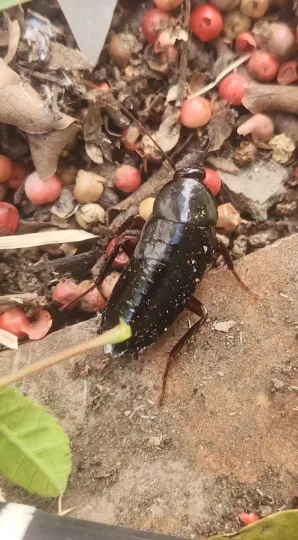
Description
How to identify
The Oriental cockroach (Blatta orientalis) belongs to the order Blattodea, family Blattidae. An adult specimen reaches a length of 20–30 mm and possesses a shiny, dark brown or almost coal-black chitinous exoskeleton.
Males feature developed wings that cover most of the abdomen but they are unable to fly. Females have vestigial wings reduced to small pads and travel exclusively by walking.
The insect prefers cool, damp areas with limited light. In the agricultural sector, it frequently infests warehouses, basements, and greenhouses characterized by high humidity levels.
The development cycle consists of three stages: egg, nymph, and adult. The female deposits an ootheca (egg capsule) which she carries for several days before dropping it in a secluded, moist location.
The development from egg to sexually mature adult lasts from six months to a year depending on ambient temperatures, with fluctuations significantly impacting population growth rates.
What it damages
The Oriental cockroach is a polyphagous and omnivorous pest, posing a threat to agricultural produce in storage facilities and within protected greenhouse environments.
In greenhouses, the pest can damage young seedlings, soft leaf tissues, and the fruits of vegetable crops, especially when those crops are in direct contact with the soil surface.
The primary damage is caused not only by feeding on plant tissues but also by the transmission of pathogenic fungi and bacteria that induce rot in cultural plants.
In grain and seed storage areas, cockroaches contaminate products with feces, shed chitinous skins, and a foul odor, rendering them unsuitable for sowing or sale.
When populations reach high densities, cockroaches are capable of destroying a significant portion of seedlings in greenhouse complexes by damaging growth points and root necks.
Signs of infestation
The first indicator of the pest's presence is the discovery of feces, which appear as tiny black granules resembling poppy seeds in shape and size.
A specific, pungent, and unpleasant odor emanating from storage areas or greenhouse sections is a strong indicator of heavy infestation by this species.
The discovery of empty oothecae — hard, dark brown capsules — signifies active reproduction occurring in the immediate vicinity of the infested site.
Damage to leaves or fruits, appearing as irregular edges or shallow surface nibbles visible at night, serves as another indicator of cockroach activity.
The presence of live specimens, particularly during night inspections of facilities, provides definitive proof of infestation by this pest.
Control measures
The primary method of control is the maintenance of strict sanitation protocols: eliminating excess humidity and sealing gaps in greenhouse and warehouse flooring and walls.
Regular cleanup of organic residues and plant debris is highly recommended, as these provide the main nutrient source for the pest.
The application of insecticidal baits based on fipronil or hydramethylnon is effective against adults and nymphs in areas where they congregate.
Using sticky traps allows for the monitoring of population density and the removal of individual specimens without the need for chemical spraying on crops.
To prevent cockroach entry into production facilities, protective screens should be installed over ventilation shafts and door openings.
Taxonomy
- Latin name
- Blatta
- Family
- Blattidae
- EPPO code
- BLATSP
Discussion
No discussions yet — be the first.