
Harvester cockroach
Neostylopyga
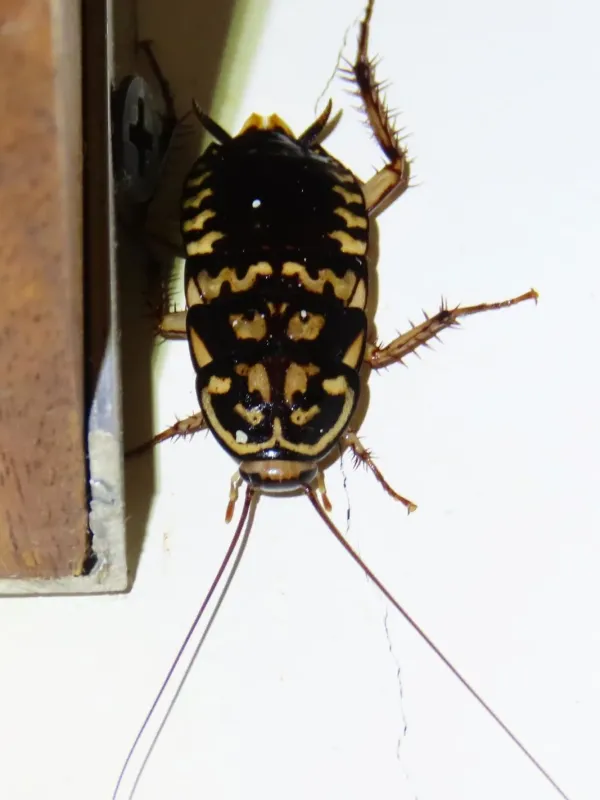
Description
How to identify
The harvester cockroach, belonging to the genus Neostylopyga and the family Blattidae, is a wingless insect species often found in warm, humid environments. They possess a characteristic shiny, flattened body with a reddish-brown or variegated coloration.
Adults typically measure between 20 and 30 mm in length. Their lack of wings and compressed body structure allow them to thrive in narrow crevices, debris, and greenhouse equipment, making them notoriously difficult to detect and eradicate.
The life cycle involves incomplete metamorphosis, consisting of eggs, nymphs, and adults. Females deposit oothecae in secluded areas rich in organic matter, which provide protection and moisture for the developing nymphs.
These insects are nocturnal and exhibit high ecological plasticity. They can survive for significant periods without food if moisture is present, which is why greenhouses and storage facilities are ideal habitats for them.
Their behavior is highly secretive, and they tend to aggregate in colonies. Understanding their habitat preferences is crucial for effective monitoring and successful management in agricultural settings.
What it damages
Harvester cockroaches are known to damage a wide variety of greenhouse-grown crops, including vegetable seedlings, leafy greens, and ornamental plants. They graze on young shoots, tender stems, and leaves, often causing severe growth retardation.
In addition to physical damage, their feeding activity can introduce pathogens into the plant tissues. Their presence in storage facilities poses an even greater threat, as they feed on harvested produce, causing rot and quality degradation.
Fecal contamination by these insects is a significant concern in professional horticulture. The presence of excrement on produce ruins its marketability and violates food safety and sanitation standards.
Heavy infestations can result in the total loss of young plantings overnight. They are particularly destructive when they target the soft tissues of seedlings at the soil-stem interface, leading to plant wilting and death.
Economic losses are compounded by the costs of cleanup and the potential need to discard produce that has come into contact with the pest, which is a major concern for commercial growers.
Signs of infestation
The most common sign of an infestation is the presence of small, dark fecal pellets on foliage or growing media. These droppings are often accompanied by irregular, ragged feeding marks on the edges of leaves.
Finding empty egg cases (oothecae) near the base of plants or in structural gaps is a definitive indicator of an established colony. These small capsules are tough and can persist in protected areas for some time.
An unpleasant, musky odor may be noticeable in areas with a high population density. This scent is produced by aggregation pheromones used by the cockroaches to communicate and attract other individuals.
Visible wilting of seedlings without apparent root disease or water issues often suggests damage to the stem base. A close inspection of the soil surface at night might reveal the presence of the insects.
Regular monitoring using sticky traps in strategic locations is the best way to observe population trends and detect the arrival of the pest before it reaches damaging levels.
Control measures
Sanitation is the cornerstone of control. Removing plant debris, keeping storage areas dry, and sealing cracks in greenhouse infrastructure significantly reduce the availability of suitable nesting sites.
Gel-based bait stations are the most effective chemical control method. They allow for targeted application that kills the cockroaches while minimizing exposure of the crops to broad-spectrum insecticides.
Using sticky traps around the perimeter of the greenhouse helps in tracking population spikes and identifying the specific areas where the infestation is most concentrated for localized treatment.
Chemical control with pyrethroids or organophosphates should be managed carefully, ensuring compliance with pre-harvest intervals, especially for edible crops. Always rotate active ingredients to prevent resistance.
Integrated Pest Management (IPM) practices, such as combining habitat modification with biocontrol agents like entomopathogenic fungi, offer a sustainable long-term strategy for managing these resilient insects.
Taxonomy
- Latin name
- Neostylopyga
- Family
- Blattidae
- EPPO code
- NESYSP
Discussion
No discussions yet — be the first.