
Oriental cockroach
Blatta orientalis
Description
How to identify
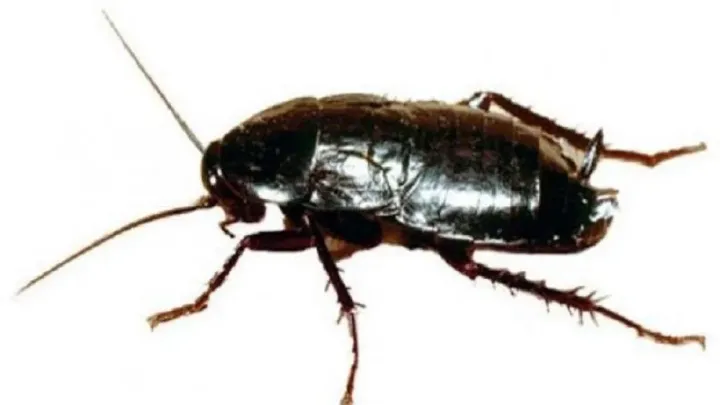
The Oriental cockroach (Blatta orientalis) belongs to the order Blattodea and the family Blattidae. Adult specimens are typically 20–30 mm long, with a dark brown or glossy black body, which distinguishes them from other common household species.
Males possess wings that cover about three-quarters of the abdomen, while females have vestigial, short wings. This species undergoes incomplete metamorphosis, consisting of three life stages: egg (within an ootheca), nymph, and adult.
Females produce oothecae, or egg capsules, which they deposit in sheltered, moist locations with sufficient organic debris. These conditions are commonly found in greenhouses, storage facilities, and compost-rich areas, making them ideal habitats for Blatta orientalis.
Nymphs are smaller versions of adults and go through several molting stages before reaching sexual maturity. They are highly resilient and capable of thriving in a wide range of temperatures, although they prefer cooler, damp environments compared to other cockroaches.
These insects are primarily nocturnal, seeking refuge in dark cracks, crevices, and under debris during the day. Their adaptability and ability to survive on various organic substrates make them persistent residents in agricultural environments.
What it damages
While Oriental cockroaches are not strictly phytophagous, they are opportunistic feeders that can cause significant damage to young seedlings and delicate crops in greenhouses. They chew on stems and leaves when other food sources are scarce, hindering plant development.
In addition to feeding on green tissue, they may consume seeds and emerging sprouts, causing uneven germination and crop loss. This is particularly problematic in systems using organic substrates or where mulch is applied near the base of plants.
The physical damage caused by their mouthparts can facilitate the entry of secondary pathogens, including various fungal and bacterial infections. Furthermore, their waste products contaminate growing areas and fresh produce, reducing the quality of the harvested crops.
Ornamental plants in nurseries are also at risk, as the pests can damage roots in the upper soil layers and feed on tender shoots. This can be devastating for high-value seedling production, leading to financial setbacks for greenhouse owners.
Heavy infestations can lead to substantial destruction of young plant populations. Their presence necessitates immediate monitoring and the implementation of effective management practices to mitigate potential yield losses.
Signs of infestation
Evidence of infestation includes irregular bite marks on stems and leaves of seedlings. Finding discarded oothecae or fecal pellets in corners, near water sources, or under pots is a strong indicator of an active cockroach colony.
Being nocturnal, they are rarely seen during the day unless the population is very large. Nighttime inspections with a flashlight can reveal individuals scurrying across greenhouse floors or climbing onto plant trays in search of moisture and food.
Control measures
Sanitation is the first line of defense; removing debris, spilled feed, and keeping the greenhouse clean prevents population growth. Sealing cracks and crevices in building foundations effectively blocks their entry into protected areas.
Insecticidal bait stations and gel baits containing active ingredients like fipronil are highly effective. These baits should be placed in areas frequented by the cockroaches, ensuring that they do not come into direct contact with edible parts of the plants.
Biological control options, such as using entomopathogenic fungi (e.g., Metarhizium anisopliae), provide a safer alternative to synthetic chemicals. These biopesticides target the cockroaches specifically, reducing the risk of contaminating the crop.
Adhesive traps serve as an excellent monitoring tool to track pest numbers and pinpoint infestation hotspots. Regular inspection of these traps helps growers determine whether chemical or biological interventions are required.
Integrated Pest Management (IPM) is essential for maintaining control without harming the environment. Combining physical barriers, sanitation, and targeted baiting ensures the sustainable protection of plants against Blatta orientalis.
Taxonomy
- Latin name
- Blatta orientalis
- Family
- Blattidae
- EPPO code
- BLATOR
Discussion
No discussions yet — be the first.