
Eurycotis
Eurycotis
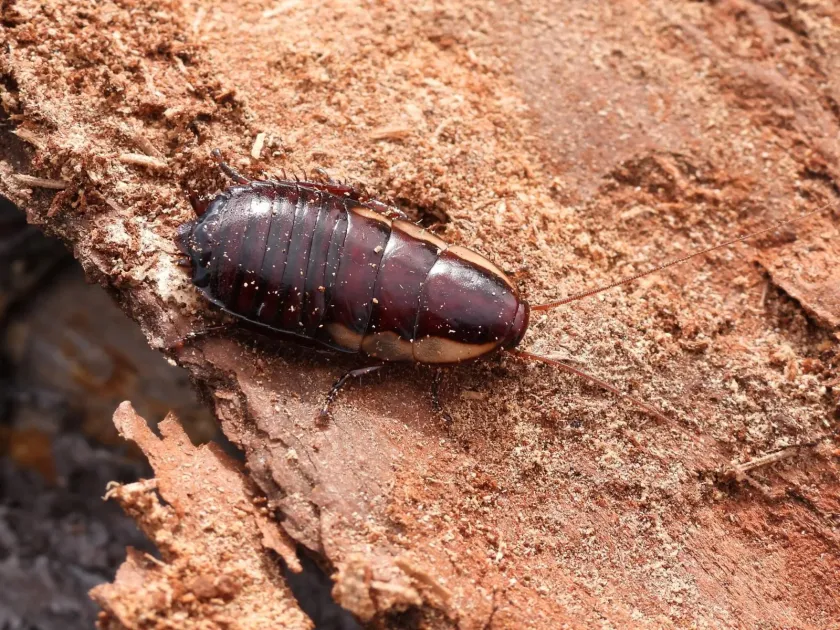
Description
How to identify
Eurycotis is a genus of insects belonging to the order Blattodea and the family Blattidae. These insects are characterized by their robust bodies and dark, often shiny, chitinous exoskeletons.
They are primarily known for their ability to survive in moist environments and their cryptic behavior. Adults have functional wings, though they prefer to move by crawling through substrates or leaf litter.
The life cycle follows a hemimetabolous development process. It consists of the egg stage (within an ootheca), several nymphal stages, and the final adult stage.
These insects are highly adaptable and possess specialized defensive glands that secrete repellent compounds, making them resilient against some natural predators.
Nymphs are similar to adults in body structure but lack fully developed wings and reproductive organs, progressively growing larger through multiple molting cycles.
What it damages
Eurycotis acts as a generalist feeder, posing a significant threat to nursery stocks, ornamental plants, and various crops grown in protected environments like greenhouses.
They consume various plant parts, including tender leaves, developing shoots, and buds, which directly stunts plant growth and reduces overall vigor.
In addition to direct herbivory, their presence leads to the contamination of plants with frass, creating a breeding ground for secondary pathogens such as sooty mold.
Severe infestations on seedlings or young cuttings can lead to total loss, as the insects can girdle the stems or feed on essential tender tissues near the soil surface.
The aesthetic value of ornamental plants is often compromised by the unsightly physical damage caused by the insects, leading to significant economic losses for growers.
Control measures
Effective management begins with strict sanitation practices, such as removing organic debris, fallen leaves, and other materials that provide shelter for the pests.
Monitoring using sticky traps or pheromone baits is essential for early detection, as the pests are nocturnal and often remain hidden during daylight hours.
Chemical control involving insecticidal baits or systemic applications may be necessary in high-pressure scenarios, ensuring compliance with local safety regulations.
Biological control agents, including entomopathogenic nematodes applied to the soil, can be effective in targeting the nymphal stages hidden in the substrate.
Integrated Pest Management (IPM) strategies, which combine environmental modifications with targeted biological or chemical interventions, offer the best results for long-term control.
Taxonomy
- Latin name
- Eurycotis
- Family
- Blattidae
- EPPO code
- EURCSP
Discussion
No discussions yet — be the first.