
Smokybrown cockroach
Periplaneta fuliginosa
Description
How to identify
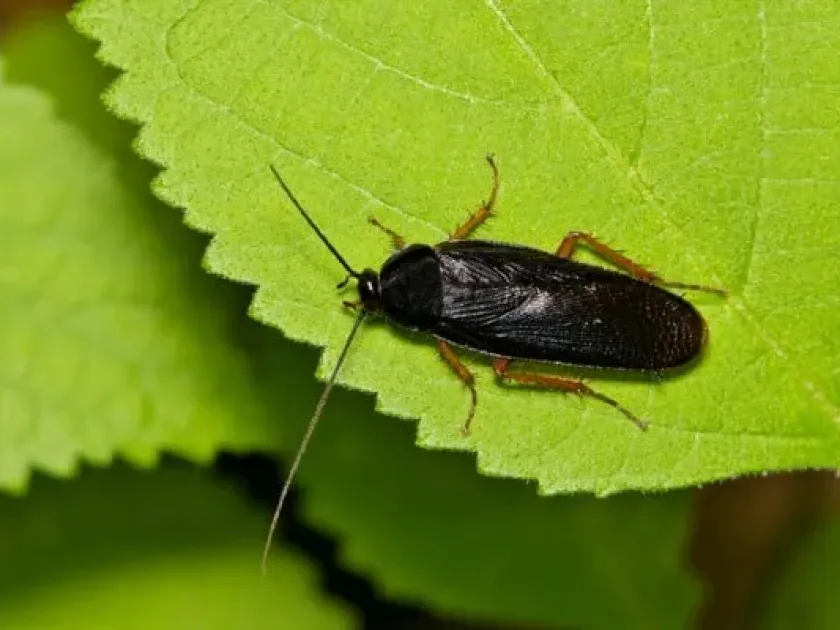
The Smokybrown cockroach (Periplaneta fuliginosa) is a large insect, typically measuring 30–35 mm in length. Its body color is a dark, glossy mahogany or black, which makes it distinct from other species.
Both males and females possess well-developed, functional wings that extend slightly beyond the tip of the abdomen. They have long, thread-like antennae that are highly sensitive to environmental changes.
Nymphs resemble the adults but lack wings and appear smaller, often with lighter-colored markings on their body segments during the early developmental stages.
This species is highly dependent on humidity and warm temperatures, making greenhouses, nurseries, and botanical gardens their ideal habitats.
Reproduction involves the production of oothecae, which are dark, protective capsules containing about 20–25 eggs. Their development is significantly faster in warm and damp conditions.
What it damages
While often considered a household nuisance, the Smokybrown cockroach can cause significant damage in greenhouse environments by feeding on young plant tissues.
They are polyphagous, meaning they consume a variety of plants, often targeting tender seedlings, leaves, and buds, leading to severe stunted growth and plant deformation.
In greenhouses, they may feed on roots or bulbs if they are exposed in the soil, potentially providing entry points for secondary infections such as fungal rot.
As they move across plants, they mechanically transport pathogens, including bacteria and spores, which can accelerate the spread of diseases within the crop.
Heavy infestations can lead to substantial financial loss for growers, particularly when the insects damage ornamental crops or high-value greenhouse plants.
When it appears
In temperature-controlled environments, the Smokybrown cockroach remains active throughout the entire year without a natural dormant period.
During the summer months, high ambient temperatures accelerate their metabolic rates and reproduction, leading to population spikes in greenhouse settings.
As the weather cools, individuals often migrate into utility rooms, heating ducts, or underground infrastructure to find warmth and safety.
High humidity levels are the primary driver of their population growth, as these insects require access to moisture for survival and egg hatching.
Seasonal fluctuations are less pronounced indoors, but population densities often peak during the wettest months of the year.
Signs of infestation
Small, pepper-like droppings scattered around pots, shelves, or the base of plants are the most common indicator of a cockroach presence.
The discovery of dark, oval-shaped oothecae hidden in crevices of benches or near water sources is a sign of an established breeding population.
Irregular, ragged holes or chewed edges on leaves, usually occurring at night, are characteristic signs of cockroach feeding activity.
A distinctive, musty odor often permeates areas with high cockroach populations, becoming more noticeable in enclosed spaces.
Direct observation of adult insects in low-light conditions or immediately after turning on greenhouse lights confirms the infestation.
Control measures
Sanitation is the cornerstone of management: removing debris, plant waste, and standing water is essential to deny them food and harborage.
Sealing gaps and cracks in the structure of the greenhouse helps prevent the entry and migration of cockroaches from outside areas.
Integrated Pest Management (IPM) techniques, including the use of targeted bait stations, are highly effective in reducing populations safely.
- Utilizing gel baits containing non-repellent active ingredients.
- Setting up monitoring sticky traps to identify infestation hotspots.
- Proper disposal of organic matter and potting soil waste.
- Applying biological control agents like entomopathogenic fungi.
If chemical interventions are necessary, rotate products to ensure that the cockroach population does not develop resistance to common insecticides.
Taxonomy
- Latin name
- Periplaneta fuliginosa
- Family
- Blattidae
- EPPO code
- PERIFU
Discussion
No discussions yet — be the first.