
Australian cockroach
Periplaneta australasiae
Description
How to identify
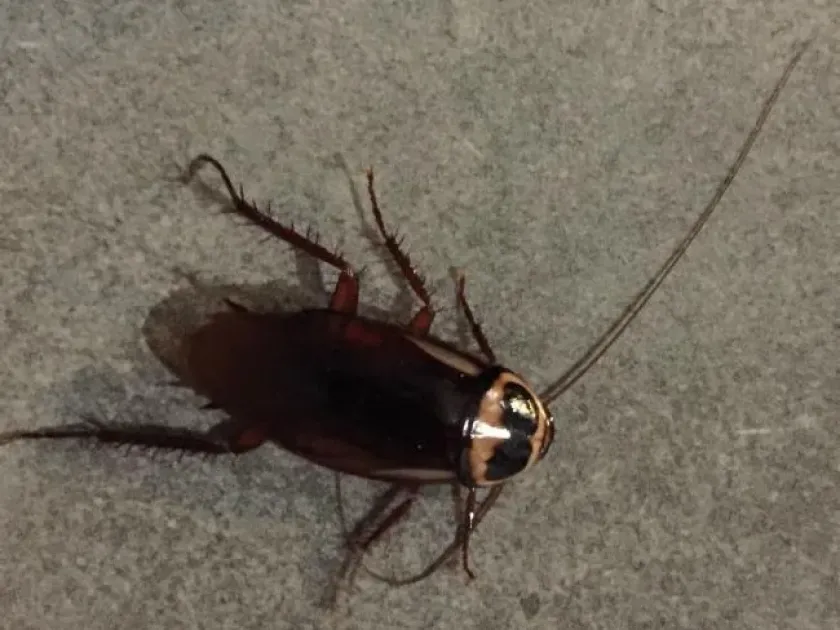
The Australian cockroach (Periplaneta australasiae) belongs to the order Blattodea, family Blattidae. Adults reach 23–35 mm in length and feature a reddish-brown body.
The key identification feature is a distinct yellow stripe along the outer margin of the pronotum, which differentiates this species from the American cockroach.
The life cycle proceeds through gradual metamorphosis: egg (ootheca), nymph, and adult. Females deposit hardy egg cases in moist, protected areas.
Nymphs undergo multiple molts, gradually increasing in size and color intensity until they reach the adult stage, which is capable of flight.
They thrive in warm, humid tropical and subtropical environments, frequently infesting greenhouses, botanical gardens, and conservatories in colder regions.
What it damages
While often considered an indoor nuisance, this species can act as a significant pest in greenhouses, where it feeds on tender plant parts.
Nymphs and adults often consume young leaves, delicate stems, and growing tips, causing stunted growth and preventing proper development of ornamental plants.
They can also damage the root systems and crowns of seedlings, which often leads to the plant's collapse and susceptibility to secondary fungal infections.
The presence of cockroaches leads to the contamination of plant surfaces with their feces, which can encourage the growth of pathogenic molds.
In a controlled environment, high populations can cause extensive cosmetic damage, rendering ornamental crops unsalable and reducing agricultural yields.
Signs of infestation
Indications of an infestation include irregularly chewed leaf margins and damaged stems, often observed in the lower, more protected parts of the foliage.
The presence of dark, grain-like fecal droppings on leaves, pots, or greenhouse surfaces is a strong indicator of cockroach activity during the night.
Finding discarded egg cases (oothecae) in crevices, under pots, or within greenhouse infrastructure confirms an active breeding population on the premises.
Abrupt wilting of young plants due to root or stem tissue destruction can also be a sign of feeding damage caused by high numbers of nymphs.
- Chewed leaves and damaged plant tissues.
- Presence of dark fecal pellets.
- Discovery of empty or intact egg cases.
- Sighting of individuals during night-time inspections.
Control measures
Sanitation is the primary defense: remove all plant debris, fallen leaves, and organic waste regularly to eliminate food sources and hiding spots.
Structural maintenance, such as sealing gaps and installing fine mesh on ventilation ducts, is essential to prevent entry into greenhouse environments.
Utilize sticky traps or insecticide-treated bait stations strategically to monitor and suppress population levels without wide-scale chemical spraying.
When populations exceed threshold levels, apply registered insecticides, such as pyrethroids or baits, ensuring safety for the specific crops grown.
Implementing a regular inspection schedule helps to detect potential outbreaks early, allowing for targeted interventions before significant damage occurs.
Taxonomy
- Latin name
- Periplaneta australasiae
- Family
- Blattidae
- EPPO code
- PERIAU
Discussion
No discussions yet — be the first.