
Perforatella
Perforatella
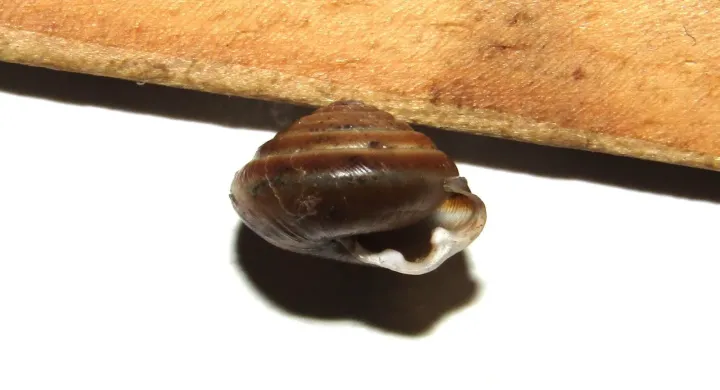
Description
How to identify
Perforatella is a genus of land snails belonging to the family Hygromiidae. These mollusks are characterized by their small, spirally coiled shells, which often exhibit subtle textures or fine hairs in younger individuals.
The body of the snail is soft, typically gray or brownish, and coated in a layer of protective mucus. Their small size allows them to inhabit dense vegetation and soil crevices effectively.
These snails belong to the order Stylommatophora and are known for their preference for humid and shaded habitats, making them common in vegetable gardens and orchards.
Identifying Perforatella requires careful examination of the shell's aperture and the pattern of the coils, which can vary slightly depending on the specific environment they inhabit.
Their population is highly influenced by local moisture levels, and they are most frequently found where organic matter provides both food and protection from the sun.
What it damages
Perforatella are generalist feeders capable of damaging a wide array of crops. They pose a significant threat to seedlings, leafy greens, and various berries in home gardens.
The most severe damage occurs at the seedling stage, where these snails can consume emerging tissues, leading to total plant loss or stunted development of the crop.
On larger plants, they leave irregular holes in leaves and may also feed on developing fruits located near the ground, reducing the marketability and yield of the crops.
Beyond physical consumption, the slime trails left by these snails can attract secondary pests and foster the growth of pathogenic fungi due to the moisture left on the leaf surfaces.
- Destruction of young vegetable seedlings.
- Leaf damage on strawberries and salad crops.
- Feeding on the lower foliage of ornamental perennials.
When it appears
Activity for Perforatella begins in early spring, as temperatures rise and moisture levels increase, allowing them to emerge from their winter dormancy.
Peak activity typically occurs during late spring and early summer when rainfall is frequent. During these wet periods, the snails move actively across garden beds to feed.
During the heat of midsummer, they become less visible, retreating into the soil or under dense mulch to avoid desiccation, and they mainly forage during the cool nighttime hours.
A secondary peak in activity is often observed in the autumn, as cooler temperatures and increased rainfall provide ideal conditions for their feeding and preparation for winter.
They overwinter as adults or egg clusters deep in the soil or within protective organic debris, ensuring they survive the coldest months of the year.
Signs of infestation
The most obvious sign of an infestation is the presence of irregular, ragged holes in the foliage, often with dried mucus trails nearby.
Shiny, silvery mucus trails found on leaves, stems, or surrounding soil are a clear indicator that snails have been traversing the area during the night.
If you suspect an infestation, search for the snails under wooden boards, stones, or thick layers of mulch during the daytime when they hide from the sun.
Checking the underside of leaves during damp mornings is a reliable way to find the pests before they retreat into the ground for the heat of the day.
In cases of heavy infestation, you may notice wilting or yellowing of foliage in areas where the snails have heavily grazed on the plant's vascular tissue.
Control measures
Cultural control is highly effective; keeping the garden clean of debris and weeds reduces the available hiding spots and food sources for these mollusks.
Barriers such as crushed eggshells, wood ash, or copper tape can be placed around sensitive plants to deter snails from reaching the foliage.
Biological control methods include the use of beneficial nematodes applied to the soil, which are highly effective at reducing snail populations without harming plants.
Chemical control involves the use of molluscicides, typically formulated as pellets. These should be applied carefully to target areas where snail activity is highest.
Proper irrigation management, such as watering in the morning rather than the evening, helps dry out the soil surface by nightfall, making the environment less hospitable.
Taxonomy
- Latin name
- Perforatella
- Order
- Molluscs
- Family
- Hygromiidae
- EPPO code
- PERFSP
Discussion
No discussions yet — be the first.