
Peleopoda
Peleopoda
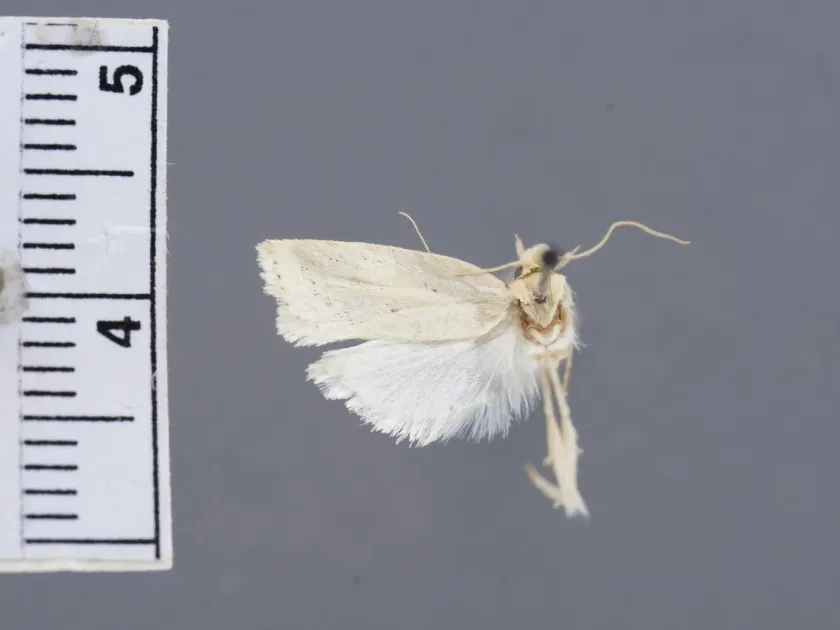
Description
How to identify
Peleopoda is a genus of moths belonging to the family Oecophoridae within the order Lepidoptera. These moths are typically nocturnal, which makes them challenging to identify during the early stages of an infestation.
The adult moths exhibit cryptic coloration, usually in shades of grey and brown, allowing them to blend seamlessly with tree bark or dry plant debris. This camouflage is a primary survival strategy against predators.
The larvae are caterpillar-stage organisms equipped with chewing mouthparts. Depending on the species and the host plant, their coloration often mimics the foliage they consume, making them difficult to detect at a glance.
The life cycle involves a complete metamorphosis: egg, larva, pupa, and adult. Multiple generations can occur within a single growing season, leading to potential population explosions if conditions are favorable.
Overwintering usually occurs in the pupal stage, with the insects choosing protected locations such as cracks in tree bark, plant litter, or just below the soil surface.
What it damages
Peleopoda acts as a polyphagous pest, impacting a diverse range of host plants, including fruit trees, berry bushes, and various ornamental species found in nurseries and gardens.
Young larvae initially target buds and tender leaves. They often exhibit skeletonizing behavior, consuming the soft tissues between the leaf veins, which severely hinders the plant's photosynthetic capacity.
As larvae mature, they shift their focus toward reproductive structures. Feeding on flowers and developing fruit leads to significant yield losses and malformed produce that is unsuitable for market.
Feeding damage is often accompanied by the accumulation of frass (excrement), which serves as a substrate for secondary bacterial and fungal infections, further stressing the plant.
In severe cases of infestation, the weakened state of the plant can lead to stunted growth, premature leaf drop, and decreased winter hardiness, posing a long-term risk to the orchard.
Control measures
Managing Peleopoda requires an integrated pest management (IPM) strategy that minimizes reliance on broad-spectrum chemicals while maintaining effective control over the population.
Cultural practices are essential; these include thorough autumn cleanup of fallen leaves and debris, as well as soil cultivation to disrupt the pupation sites of the pest.
Biological control, such as the application of entomopathogenic bacteria or the conservation of natural predators and parasitoids, provides a sustainable way to suppress larval numbers.
Chemical control should be employed only when monitoring indicates that the population exceeds the economic threshold, using target-specific insecticides at the precise larval emergence window.
The use of pheromone traps for monitoring is a standard professional practice, allowing growers to time their intervention strategies for maximum effectiveness and minimal environmental impact.
Taxonomy
- Latin name
- Peleopoda
- Order
- Lepidoptera (butterflies)
- Family
- Oecophoridae
- EPPO code
- PELESP
Discussion
No discussions yet — be the first.