
Green Pug Moth
Pasiphila rectangulata
Description
How to identify
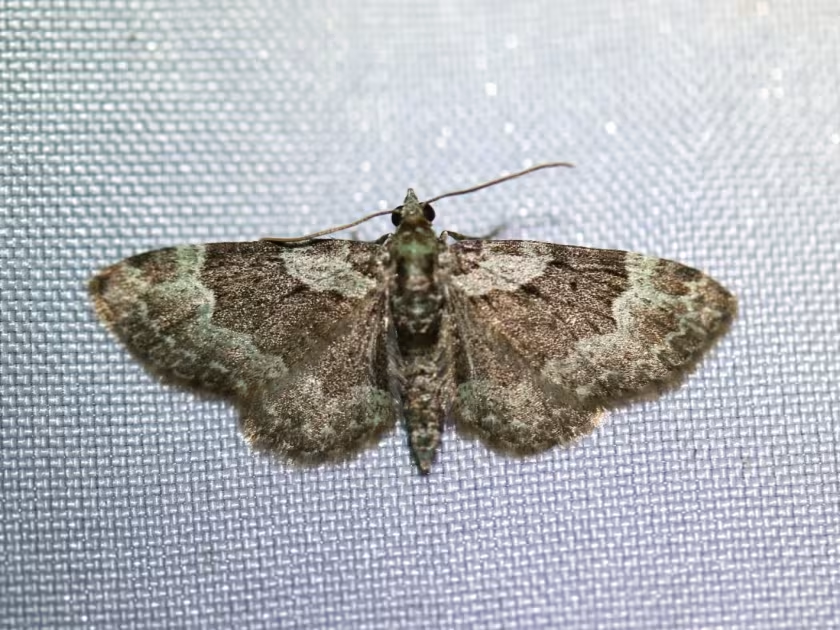
The Green Pug Moth (Pasiphila rectangulata) is a small moth with a wingspan of 17 to 22 millimeters. Its wings display a cryptic greenish or olive-grey coloration, marked with faint transverse darker lines.
The caterpillar of this species is relatively small, growing up to 15 millimeters in length. Its body color typically ranges from pale green to yellowish-green, often featuring a lighter dorsal stripe.
The pupae are brown and usually found within the soil or protected by debris under trees. They possess a hardy exterior that enables them to survive through the winter months before emerging.
Eggs are oval-shaped and possess a pearly luster. They are laid singly or in small clusters on the bark of twigs, making them very difficult to spot during routine inspections of the orchard.
As nocturnal insects, the adults are rarely seen during the day. Their camouflage allows them to rest against the bark of fruit trees, perfectly blending into their surroundings to avoid detection by predators.
What it damages
The larvae are specialized pests of fruit trees, particularly apple and pear trees. They focus their damage on the generative organs of the plant, directly threatening the potential harvest.
Caterpillars bore directly into opening buds, consuming the internal tissues before they have a chance to bloom. This results in the complete loss of floral buds and early foliage on affected branches.
When feeding on blossoms, the larvae destroy stamens, pistils, and petals. This renders the flower sterile, preventing fruit set and significantly reducing the overall yield of the orchard.
Once leaves appear, the caterpillars continue feeding on the foliage. They often use silk threads to bind leaves together, creating shelters where they remain protected from external factors.
Heavy infestations can lead to partial defoliation and a drastic reduction in fruit quality. This damage weakens the overall vigor of the tree, especially in younger, more vulnerable specimens.
When it appears
Adult moths are typically active during the summer months, specifically in June and July. This is the period when mating occurs and eggs are deposited onto the host plants.
The insect overwinters in the egg stage. These eggs remain on the twigs through autumn and winter, perfectly synchronized to hatch when the apple buds begin to swell in early spring.
Larval activity is most intense during April and May. As temperatures rise and the trees enter their growth phase, the caterpillars hatch and immediately begin their destructive feeding cycle.
Pupation takes place toward the end of May or early June. The insect then enters the pupal stage, staying in the soil or protected crevices until the next emergence of adults begins.
The Green Pug Moth has a single generation per year. Understanding this lifecycle is critical for timing control measures effectively, ensuring that treatments coincide with the most vulnerable stages.
Signs of infestation
The earliest sign of an infestation is the appearance of hollowed-out buds that fail to open. These buds eventually shrivel and turn brown, serving as a warning of larval presence.
Webbing found within blossom clusters is a definitive indicator of the pest. The caterpillars use silk to bundle buds and petals, creating an enclosed space for feeding and protection.
Leaves showing irregular, jagged edges or holes are common signs of late-stage larval feeding. In some cases, only the main veins of the leaf remain, giving the foliage a skeletonized appearance.
Small dark fecal pellets found on the leaves or webbing indicate an active feeding site. These signs are often noticed during routine spring checks of the orchard canopy.
Clusters of dried, damaged buds that do not produce fruit are a clear indicator of previous infestation, suggesting the need for preventative action in the upcoming season.
Control measures
Cultural control involves thorough pruning of heavily infested branches and maintaining tree health through proper fertilization, which helps the tree recover from potential damage.
Biological control, such as the use of Bacillus thuringiensis, is effective against young larvae. This method is environmentally friendly and does not harm beneficial pollinators like bees.
Chemical control should be applied during the early developmental stages, specifically at the 'green cluster' or 'pink bud' phase, to intercept the larvae before they cause significant damage.
Rotational use of insecticides is essential to prevent the development of resistance. Choosing products with different modes of action ensures that control remains effective across multiple seasons.
- Autumn soil cultivation to destroy pupae overwintering in the ground.
- Monitoring populations with pheromone and light traps.
- Encouraging natural predators such as ladybirds, lacewings, and insectivorous birds.
Taxonomy
- Latin name
- Pasiphila rectangulata
- Order
- Lepidoptera (butterflies)
- Family
- Geometridae
- EPPO code
- CHLCRE
Discussion
No discussions yet — be the first.