
Pasiphila
Pasiphila
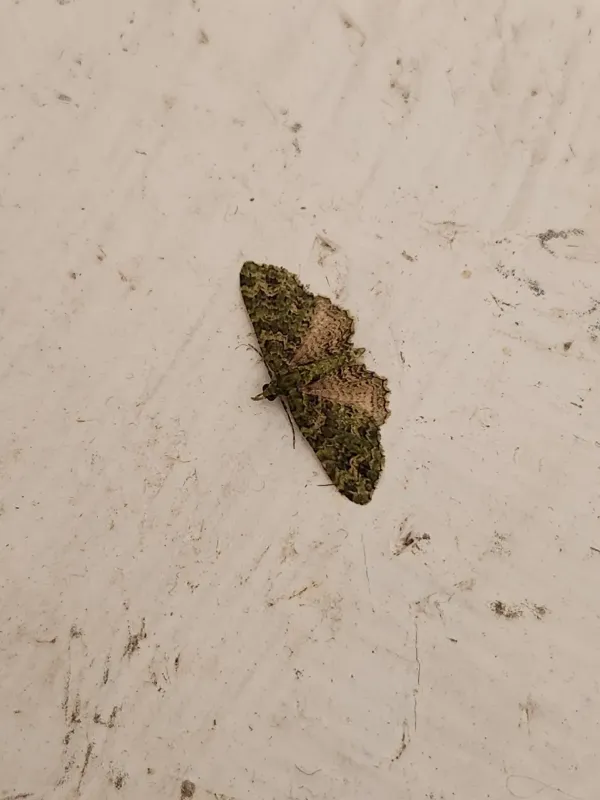
Description
How to identify
The Pasiphila genus belongs to the Geometridae family, order Lepidoptera. These moths are characterized by their relatively small size and cryptic coloration, which provides excellent camouflage against tree bark and foliage.
The larvae, commonly known as loopers, exhibit a distinctive inchworm movement. They often mimic the color and texture of flower stalks, making them extremely difficult to detect during standard field inspections.
Adult moths are primarily nocturnal, which adds to the difficulty of monitoring their presence. Specialized techniques such as pheromone traps or nighttime visual inspection are typically required for accurate identification.
The pupal stage occurs either in the soil or within dense debris, providing a robust protective layer against environmental fluctuations and some natural predators during the winter months.
Field agronomists rely on light traps to track flight patterns, allowing for precise timing of integrated pest management interventions before the population reaches critical levels.
##damage##Pasiphila poses a significant threat to various fruit trees and ornamental shrubs, particularly apple and pear trees. The larvae cause the most damage by feeding on flower buds, developing blossoms, and young fruitlets.
In early spring, during the critical bud-burst phase, the larvae can cause severe economic losses by consuming the reproductive organs of the plants. Damaged buds often fail to develop or produce deformed, unmarketable fruits.
Infestation intensity can vary, but in favorable conditions for the pest, a large population can devastate a significant portion of the seasonal harvest if left unchecked.
Beyond direct tissue consumption, larval feeding creates wounds that serve as entry points for various fungal and bacterial pathogens, exacerbating the overall stress on the plant.
Orchards with poor sanitation, where leaf litter and debris accumulate around the trunks, provide ideal habitats for the overwintering pupae of this species.
When it appears
The flight period of adult moths typically begins in early spring, coinciding with rising temperatures and the phenological development of host plants. Peak activity is often observed around the green-tip stage of bud development.
The larval stage lasts from a few weeks to a month, depending on environmental temperatures. Rapid spring warming can accelerate the metabolic rate of the larvae, leading to more aggressive feeding patterns.
Summer activity is often lower, as the species may enter a dormant phase or shift its nutritional focus depending on the regional climate and available vegetation.
As autumn approaches, the insects transition into the pupal phase and settle in the soil or plant debris, remaining there until the following spring cycle commences.
Regional climate variations play a crucial role in timing, with southern regions experiencing earlier activity compared to their northern counterparts.
Signs of infestation
A primary indicator of infestation is the presence of fine silk webbing on shoot tips and inside blossoms, often holding larval frass (excrement) within the structure.
Damaged buds are characterized by hollowed-out interiors, which eventually brown, wither, and fall prematurely from the tree branches.
Leaf rolling or partial skeletonization of young leaves can also indicate the presence of Geometrid larvae actively feeding within the canopy.
The accumulation of small pellets of frass beneath infested branches is a clear diagnostic sign of high larval activity in the upper canopy areas.
Nighttime illumination of the canopy may reveal adult moths, which display erratic flight patterns when disturbed by direct light sources.
Control measures
The most effective strategy for managing Pasiphila involves an integrated approach combining mechanical, biological, and chemical interventions during the most vulnerable life stages.
- Application of selective biological insecticides like Bacillus thuringiensis.
- Use of systemic chemical treatments during periods of high larval density.
- Installation of adhesive bark bands to restrict larval movement.
- Autumn soil cultivation to disrupt the overwintering pupae in the soil.
- Pruning and removal of dead wood and debris to eliminate potential habitats.
Integrated Pest Management (IPM) practices emphasize monitoring and threshold-based treatments to minimize the environmental impact while ensuring effective protection of the fruit crop.
Preserving natural predators, such as parasitic wasps and beneficial beetles, is a key component of sustainable orchard management to keep Pasiphila populations under control.
Taxonomy
- Latin name
- Pasiphila
- Order
- Lepidoptera (butterflies)
- Family
- Geometridae
- EPPO code
- PASISP
Discussion
No discussions yet — be the first.