
Wood cockroach
Parcoblatta
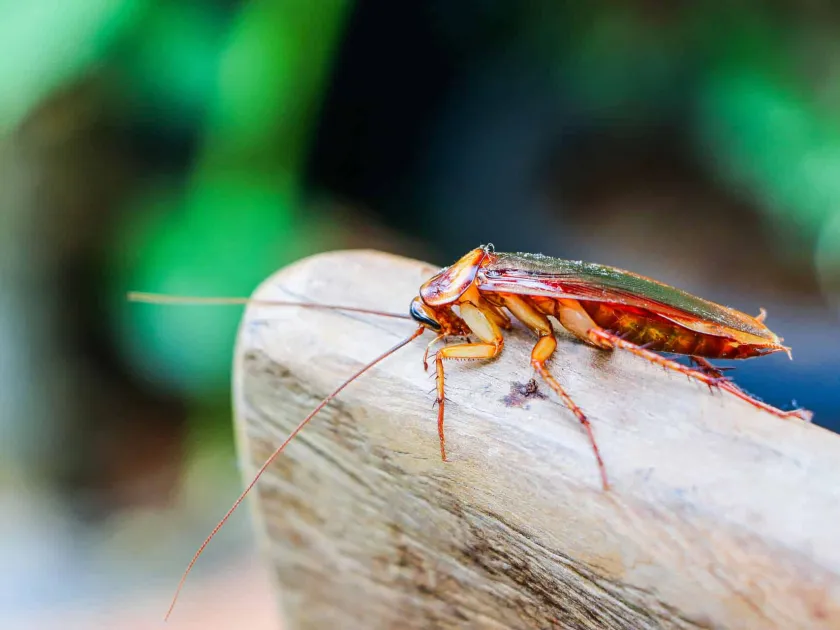
Description
How to identify
The wood cockroach, belonging to the genus Parcoblatta, is a member of the order Blattodea and the family Ectobiidae. Unlike common household species, these insects are adapted to outdoor habitats and are typically found in woodland areas, under logs, and within leaf litter.
Adult wood cockroaches generally measure between 10 and 25 mm in length. They exhibit a flattened body shape and a color palette ranging from light tan to dark brown, which provides effective camouflage in soil and decaying organic matter.
Sexual dimorphism is evident, as males possess fully developed wings and are capable of flight, which they often use to travel toward light sources at night. Females typically have reduced wings and are flightless, spending most of their time in sheltered ground habitats.
The lifecycle follows incomplete metamorphosis, consisting of egg, nymph, and adult stages. Females produce oothecae, or egg capsules, which they carefully deposit in hidden, protected environments such as bark crevices or beneath dense mulch layers.
The development time of the wood cockroach is significantly influenced by seasonal temperatures. In temperate climates, they often overwinter as nymphs or adults, emerging from dormancy once warmer conditions arrive in the spring.
What it damages
While wood cockroaches are primarily detritivores that feed on decaying matter, they can become agricultural pests when natural food sources are scarce. They often invade greenhouses or vegetable patches during hot, dry summer periods seeking moisture and soft plant tissues.
The primary damage includes feeding on tender seedlings, buds, and leaves. They consume the outer layers of the foliage, leaving ragged edges that can weaken the plant and serve as entry points for bacterial or fungal infections.
Young transplants are particularly vulnerable to their feeding habits. Night-time activity allows them to consume significant portions of young shoots without being noticed by growers, leading to poor plant establishment or death.
Their excrement, deposited on the foliage, can promote the growth of sooty mold, which impairs photosynthesis and reduces the overall vigor of the crop. This secondary damage can lead to diminished yield quality and stunted growth.
In high-density populations, these pests can cause severe economic losses in sensitive crops like leafy greens or berry patches that are situated close to forest edges or overgrown areas.
Signs of infestation
The most common sign of a wood cockroach infestation is the presence of irregular, ragged leaf margins that resemble damage caused by other chewing insects, such as slugs. Unlike slugs, however, they rarely leave behind slimy mucus trails.
Another indicator is the presence of small, pellet-like fecal droppings located at the base of affected plants. These droppings are often found in areas where mulch or organic debris provides shelter during the day.
Discovering oothecae within the garden, especially under pots, discarded boards, or dense foliage, indicates that a breeding population is established. Detecting adults near porch lights or garden lanterns at night is also a strong signal.
Rapid disappearance of seedlings or unexplained nocturnal injury to young tissues suggests the presence of ground-dwelling pests. Regular monitoring during the night using a flashlight can confirm the activity of the cockroaches.
The presence of disturbed soil or movement beneath surface-level debris during routine garden maintenance is a clear sign of a high population density, requiring immediate attention to prevent further crop damage.
Control measures
Cultural control is the first line of defense; keeping the garden free of excessive leaf litter and decaying wood reduces the nesting habitats of Parcoblatta. Maintaining proper soil moisture and regular weeding can also discourage their migration into the garden.
Biological control using entomopathogenic fungi, such as Beauveria bassiana, has proven effective in managing populations naturally. These biological agents target the cockroaches while remaining safe for the surrounding garden ecosystem.
Placement of bait traps, specifically designed for cockroaches, along the perimeter of the planting area can help catch migrants and monitor the level of infestation before it reaches critical thresholds.
Exclusion methods, such as installing fine-mesh screens in greenhouses or using physical barriers around vulnerable seedlings, can effectively stop these insects from reaching the crops during their peak activity season.
If chemical intervention becomes necessary, use targeted insecticides according to label instructions for specific crops. It is best to apply these treatments in the evening when the insects are most active and seeking food.
Taxonomy
- Latin name
- Parcoblatta
- Family
- Blattidae
- EPPO code
- PARCSP
Discussion
No discussions yet — be the first.