
Paraclemensia
Paraclemensia
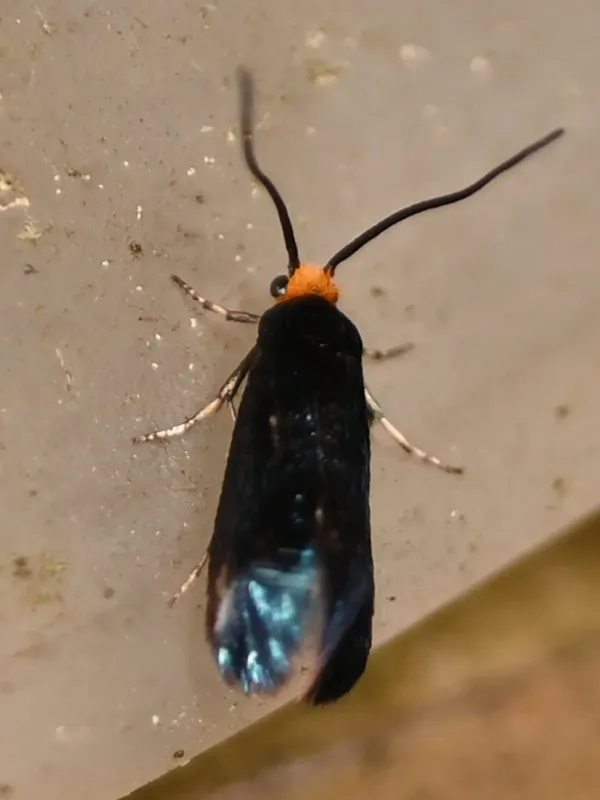
Description
How to identify
Paraclemensia is a genus of moths belonging to the Incurvariidae family, commonly known as fairy moths, within the order Lepidoptera.
Adult moths are relatively small, often featuring dark, metallic-colored wings that help them blend into the bark or leaf surfaces of their host plants.
Identifying this pest at the adult stage is difficult due to their cryptic coloration and subtle behavior, making them easily confused with other small moth species.
The larvae are particularly distinctive because they construct portable cases made from leaf fragments, which they carry with them while feeding.
Their morphological characteristics include chewing mouthparts that are highly efficient at consuming plant tissue while remaining protected inside their portable shelters.
What it damages
The larvae of Paraclemensia primarily feed on the leaves of deciduous trees and shrubs, including various fruit and ornamental species.
They show a preference for members of the Betulaceae and Fagaceae families, often causing noticeable damage in both natural and cultivated settings.
Feeding damage typically manifests as irregular holes or skeletonized leaf patches where the parenchyma has been consumed, leaving larger veins intact.
Severe infestations can lead to premature leaf drop, which significantly weakens trees by reducing their ability to photosynthesize before winter dormancy.
In nurseries, young saplings are at the highest risk, as damage to the foliage can severely stunt their annual growth and overall development.
When it appears
The life cycle of Paraclemensia is synchronized with the phenological stages of their host plants, with activity peaking during the spring and early summer.
Pupation generally occurs either on the ground or within the leaf litter, providing the insects with a stable environment for their transformation.
Depending on the climatic zone, the pest may complete one or two generations per year, which dictates the severity of the outbreak in a given season.
Overwintering usually takes place in the pupal stage, buried within the soil or protected by debris, allowing them to withstand harsh winter conditions.
In early spring, as buds open and leaves unfurl, the emerging larvae immediately begin feeding, coinciding with the most sensitive stage of tree growth.
Signs of infestation
The most reliable sign of a Paraclemensia infestation is the presence of small, leaf-constructed cases attached to the undersides of leaves.
Look for patches of leaf tissue that appear transparent or skeletonized, indicating that larvae have consumed the inner layers of the leaf.
Signs of frass (larval excrement) and fine silken threads on the leaf surface often accompany the feeding sites and help in locating the larvae.
Early leaf yellowing and necrotic spots followed by premature leaf abscission are common indicators of established colonies within the canopy.
Adult moths may occasionally be spotted resting on trunks or branches during dusk hours, although they are primarily active in low-light conditions.
Control measures
Managing Paraclemensia requires a combination of sanitation practices and targeted chemical control when population thresholds are exceeded.
Proper autumn garden sanitation, such as removing leaf litter and disturbing the soil, can destroy pupae and reduce the overwintering population.
Insecticides applied during the early larval hatching phase are the most effective way to protect valuable trees and shrubbery.
Integrating biological controls, such as beneficial parasitic wasps or predatory insects, can help maintain population levels below the economic threshold.
- Regular monitoring of canopy density and foliage health.
- Using pheromone traps for early detection of moth flights.
- Applying B. thuringiensis-based products for eco-friendly larval control.
Taxonomy
- Latin name
- Paraclemensia
- Order
- Lepidoptera (butterflies)
- Family
- Incurvariidae
- EPPO code
- PRACSP
Discussion
No discussions yet — be the first.