
Alloclemensia
Alloclemensia
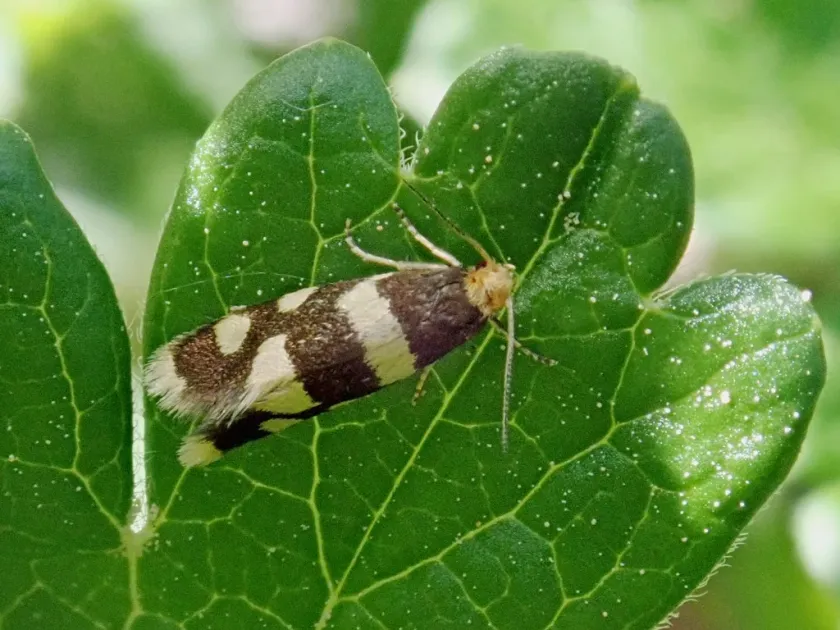
Description
How to identify
Alloclemensia is a genus of moths belonging to the Incurvariidae family, commonly known as fairy moths or leaf-miner moths. These insects are characterized by their small size and specific life habits that involve feeding within plant tissues.
Adult moths typically have a wingspan of about 8–10 mm. Their wings are covered with small, often dark-colored scales, providing effective camouflage against tree bark or leaves during resting periods.
Taxonomically, they are part of the order Lepidoptera. The larvae (caterpillars) possess mandibulate mouthparts that allow them to tunnel into the internal layers of leaves throughout their developmental stages.
The life cycle involves a complete metamorphosis: egg, larva, pupa, and adult. The success of each stage is highly dependent on environmental factors, particularly ambient temperature and humidity during the adult flight season.
Population density often fluctuates based on seasonal climate conditions, as these insects are sensitive to extreme weather events that can disrupt their feeding or mating cycles.
What it damages
Alloclemensia primarily targets various deciduous trees and shrubs. It is considered a notable pest in orchards and nurseries, where it can affect the overall health and vigor of host plants.
The larvae feed on the leaf parenchyma, creating characteristic tunnels known as mines. These mines disrupt the plant's ability to photosynthesize effectively, leading to reduced energy production.
Severe infestations cause premature yellowing and dropping of leaves. This weakens the host plant, making it more susceptible to environmental stressors such as drought, frost, or other pests.
In fruit-bearing trees, sustained damage results in lower yields and poorer fruit quality due to the tree's diminished capacity to produce and store necessary carbohydrates.
Visible symptoms often include a scorched appearance of the tree canopy as more leaves become mined, withered, and eventually shed by the tree.
When it appears
The activity of adult Alloclemensia typically peaks in the spring and early summer, corresponding with the emergence of fresh foliage suitable for egg-laying.
Larval activity commences soon after the buds break, with caterpillars starting their mining process immediately. Early spring is the critical period for monitoring their presence.
Developmental duration for a single generation is typically several weeks. Depending on the geographical region and climate, the species may produce one or two generations per season.
Winter is spent in the pupal stage within thick, protective cocoons. These are usually found in leaf litter, soil crevices, or under the loose bark of the host tree.
The emergence of adults in spring is often synchronized with the flowering of host plants, ensuring that larvae emerge at the optimal time to feed on soft, developing tissues.
Signs of infestation
The most diagnostic sign of Alloclemensia is the presence of leaf mines — winding or blotchy trails inside the leaf tissue that become visible when the leaf is backlit.
Inside these tunnels, one can often find larval frass (excrement), which serves as evidence of active feeding. The mines widen over time as the caterpillar grows and consumes more plant material.
Infested leaves may become distorted or curled at the edges. The foliage often develops a mosaic or mottled appearance due to the loss of green tissue within the leaf surface.
In dry conditions, the mined sections of the leaves tend to dry out, turning brown and brittle, often resulting in ragged holes that mimic damage from other foliage-feeding insects.
- Light-colored winding trails (mines) on leaves.
- Premature leaf drop.
- Deformation or curling of the leaf edges.
- General loss of foliage vibrancy and color.
Control measures
Effective management of Alloclemensia requires an integrated approach. Sanitation is crucial; collecting and destroying fallen leaves is highly effective at reducing the population of overwintering pupae.
Biological control using Bacillus thuringiensis (Bt)-based products has shown success in targeting young larvae without causing harm to beneficial predatory insects or pollinators.
In cases of heavy infestation, systemic insecticides may be necessary to penetrate the leaf tissue and control the larvae hiding inside the mines.
Cultural practices, such as tilling the soil under the canopy during autumn, help destroy the pupation sites, significantly reducing the number of adults that will emerge in the following spring.
Encouraging natural predators, such as insectivorous birds and parasitic wasps, can help keep Alloclemensia populations at manageable levels throughout the growing season.
Taxonomy
- Latin name
- Alloclemensia
- Order
- Lepidoptera (butterflies)
- Family
- Incurvariidae
- EPPO code
- ALLMSP
Discussion
No discussions yet — be the first.