
Incurvaria
Incurvaria
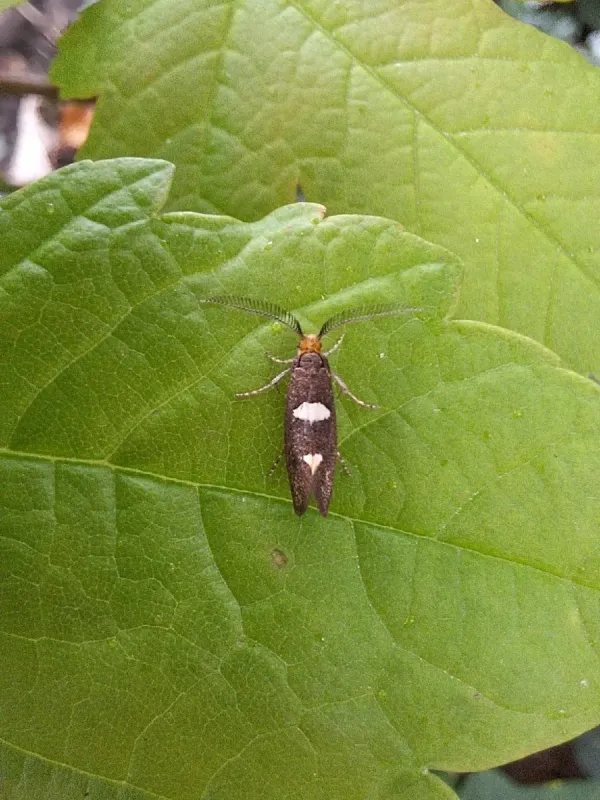
Description
How to identify
Incurvaria is a genus of moths belonging to the family Incurvariidae, known for their specific life cycle that involves mining plant tissues during the larval stage.
Adult moths are small, usually with a wingspan of 10 to 15 mm, and possess a cryptic coloration that blends seamlessly with tree bark and foliage.
The larvae exhibit unique behavior, transitioning from internal leaf miners to mobile larvae that construct and inhabit portable cases made from plant material.
These insects are well-adapted to the environments of fruit and berry gardens, where they find abundant host plants for their development and reproduction.
Understanding their taxonomy is essential for precise identification, as they are often confused with other small lepidopteran species that affect agricultural crops.
What it damages
Incurvaria pests primarily target various berry-bearing plants, with gooseberry and currant bushes being the most common hosts for their larval development.
Young larvae start by creating mines inside the leaf tissue, which eventually develop into noticeable, irregular blotches that hinder the plant's photosynthesis process.
As the larvae mature, they shift their feeding habits to consume buds and leaves, causing direct damage that reduces the vigor of the plant and yield potential.
Severe infestations lead to premature leaf drop and the loss of developing flower buds, which can significantly reduce the harvest volume in a single season.
The damage caused by the larvae also leaves the plant vulnerable to secondary infections from fungi or bacteria that colonize the wounded tissue.
When it appears
Incurvaria overwinter as larvae inside protective cases hidden within leaf litter or crevices in the bark, demonstrating high resilience to cold temperatures.
The insects resume activity in early spring, synchronized with the budding phase of their host plants, moving quickly to feed on the tender emerging buds.
Adult moths emerge in late spring or early summer, with the timing being highly dependent on the local climate and temperature fluctuations in the garden.
The species generally completes one generation per year, making the spring period the critical window for effective intervention and control strategies.
Monitoring the flight period of adults allows for the prediction of larval emergence, which is key for timing the application of any necessary crop protection products.
Signs of infestation
The most prominent sign of infestation is the appearance of small, serpentine mines or translucent spots on the leaves, signifying the presence of young larvae.
Damaged or hollowed-out buds observed during the early spring are clear indicators of larval feeding activity that can threaten the upcoming berry crop.
The presence of distinct, portable cases crafted from leaf fragments on the foliage or stems confirms the identity of Incurvaria as the primary pest.
Skeletonized leaves, where only the veins remain, are a sign of heavy larval density and indicate that the pest population has reached an economic threshold.
Stunted growth of new shoots and yellowing foliage during the mid-season are common indirect symptoms of previous damage caused by the larvae in the spring.
Control measures
Effective management begins with strict sanitation practices, such as removing and burning fallen leaves and debris to eliminate overwintering sites.
Cultivating the soil around the base of bushes during the pupation period helps disrupt the life cycle and reduces the number of emerging adults.
Chemical control should be applied during the early larval stage, focusing on the period when they move from the buds to the leaves and are most exposed.
Biological control agents, including parasitic wasps and microbial insecticides, can be integrated into a pest management program to minimize chemical reliance.
- Regular monitoring of bud development.
- Proper pruning to improve air circulation.
- Use of pheromone traps for adult monitoring.
Taxonomy
- Latin name
- Incurvaria
- Order
- Lepidoptera (butterflies)
- Family
- Incurvariidae
- EPPO code
- INCUSP
Discussion
No discussions yet — be the first.